Chad’s decentralization: Albert Pahimi Padacké calls out excessive centralization
Former Prime Minister Albert Pahimi Padacké challenges Chad’s centralized governance model, urging reforms to empower provincial councils and dismantle systemic resistance from the central state.
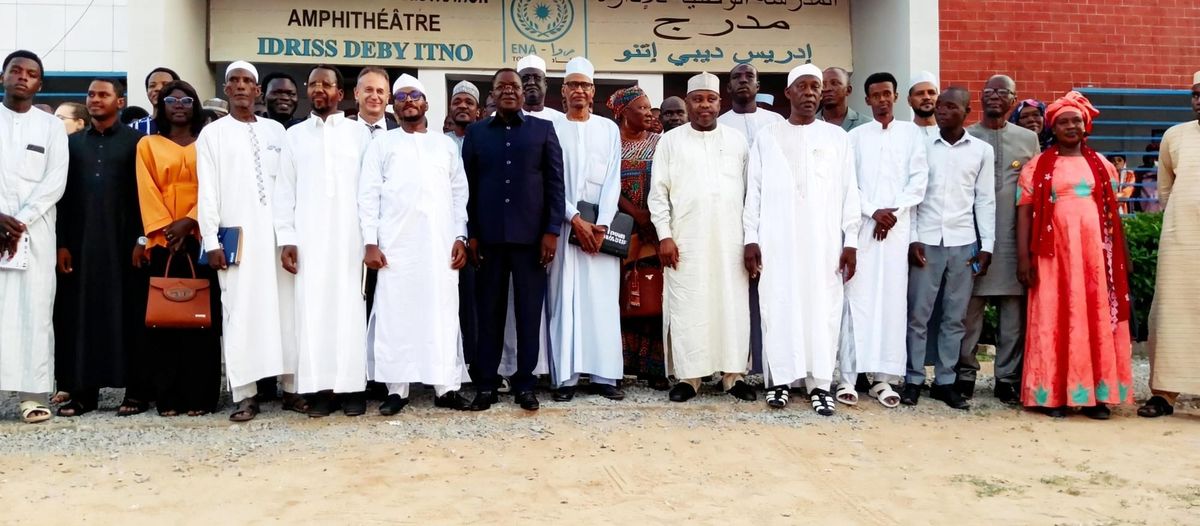
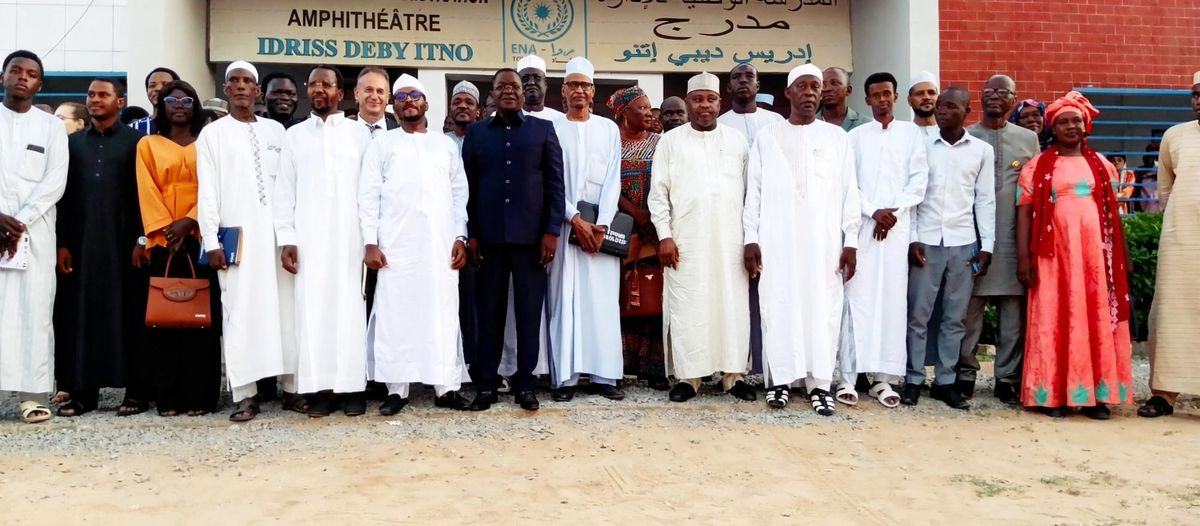
Former Prime Minister and current Senator Albert Pahimi Padacké delivered a compelling address this week, drawing a packed audience at N’Djamena’s Idriss Déby Itno Amphitheater. The debate centered on the critical role of provincial councils in reshaping Chad’s governance landscape.
The event, held at the National School of Administration, brought together civil servants, university students, and political stakeholders, all eager to examine the feasibility of true decentralization in the country. Pahimi Padacké, a prominent political figure and leader of the RNDT-Le Réveil party, chose a timely theme: « Decentralization as a driver for development: the case of provincial councils. »
Over two hours, the senator dissected the gap between Chad’s decentralization laws and their implementation on the ground. While the legal framework exists, he argued, the reality remains stifled by entrenched centralization. The state’s reluctance to relinquish control—particularly financial autonomy—has left provincial councils operating with symbolic authority rather than real decision-making power.
Why decentralization matters for Chad’s future
Pahimi Padacké opened his remarks by outlining the transformative potential of decentralization. Bringing governance closer to communities, he asserted, would unlock local initiatives, improve resource allocation, and accelerate development. From education to healthcare and infrastructure, provincial councils could address urgent needs with greater efficiency than a distant central administration ever could.
The senator did not mince words: « Chad’s progress cannot be achieved when every minor decision still requires approval from ministries in the capital. » This systemic bottleneck, he warned, perpetuates inequality and stifles innovation.
The invisible chains of centralization
His analysis highlighted a paradox plaguing Chad: a legal commitment to decentralization coexisting with a deeply entrenched centralized system. Pahimi Padacké described how provincial councils, though legally established, remain financially dependent on the state, rendering them powerless to implement their own policies. « Decentralization without financial autonomy is an administrative mirage, » he declared, underscoring the frustration shared by local leaders across the country.
A call for bold reforms
The conference quickly evolved into a rallying cry for systemic change. Pahimi Padacké urged stakeholders to dismantle the « vertical centrality » that paralyzes provincial governance. True progress, he argued, requires transferring real authority—both administrative and financial—to local councils. Only then could they become engines of economic growth rather than mere extensions of the capital’s bureaucracy.
The interactive session that followed revealed just how pressing this issue is. Future civil servants from the National School of Administration engaged in lively debate, confirming that local governance remains one of Chad’s most urgent and contentious institutional challenges.