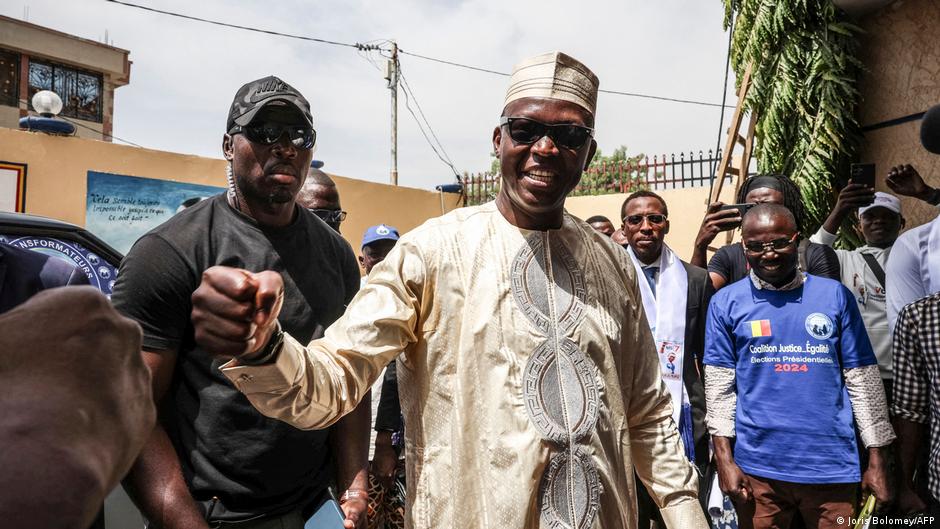
In a move that has sparked both praise and criticism, Chad’s President Mahamat Idriss Déby has granted clemency to several prominent opposition figures, releasing them from prison while leaving their convictions intact.
The decision affects key leaders, including former Prime Minister Succès Masra, who had been sentenced to 20 years in prison for insurrection, along with eight other opposition activists associated with the GCAP coalition. While their prison terms have been nullified, their criminal records and civil penalties remain, rendering them ineligible for future political participation.
This distinction between clemency and amnesty is critical, as noted by political analyst Bétinbaye Yamingué. “The president’s gesture responds to public expectations by exercising his constitutional authority to free these figures. Yet, the true test lies in whether lawmakers will follow through with meaningful reforms, such as an amnesty law.”
Parliament holds the key to lasting change
Under Chad’s legal framework, only the National Assembly can grant a full amnesty. However, the current parliament is overwhelmingly dominated by the ruling party, which holds 124 of the 188 seats. This imbalance raises questions about the feasibility of advancing such legislation.
“Releasing opposition leaders is just the first step. To foster genuine political reconciliation, they must also regain their full civic rights. Failure to do so risks turning this clemency into a mere political maneuver,” Yamingué cautioned.
Mixed reactions from political circles
Reactions to the clemency decision have been sharply divided. The Transformers party, led by Succès Masra, has yet to issue an official statement, with a spokesperson indicating that the party prefers to wait until his release before commenting. Meanwhile, the party’s vice-president, Ndolembai Sadé Njesada, has praised the move, calling it a step toward national unity and urging further dialogue to consolidate peace.
Opposition voices, however, remain skeptical. Hissein Abdoulaye, spokesperson for the GCAP coalition, condemned the decision, arguing that granting clemency without restoring full rights amounts to a “severe democratic setback.” He emphasized that pardoning political figures while stripping them of their civil liberties contradicts the principles of justice and reconciliation.
In contrast, the ruling MPS party has welcomed the decision, describing it as a “beneficial” move that will allow these figures to reunite with their families and re-enter public life, albeit under restricted conditions.