CNSA’s move to free political prisoners may ease DRC dialogue
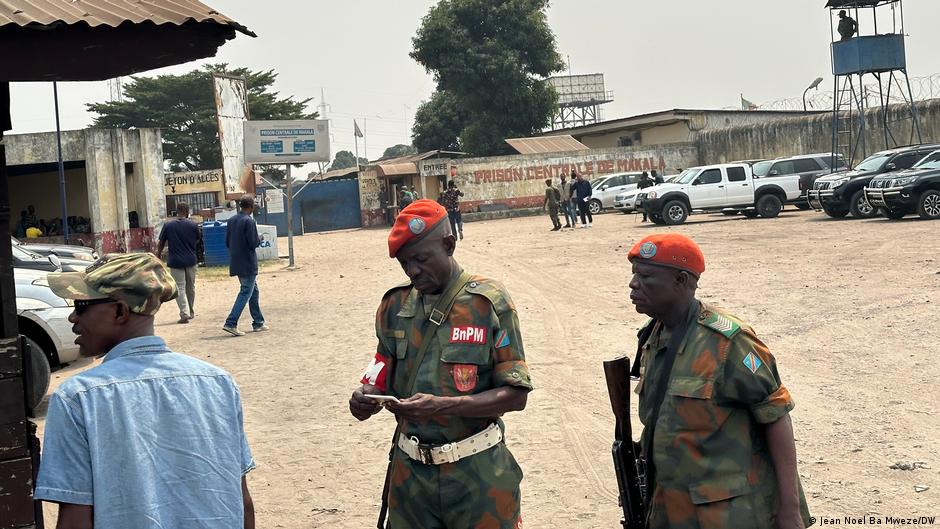
The National Council for Monitoring the Accord and Electoral Process (CNSA) has launched a nationwide audit of political and opinion prisoners across the Democratic Republic of the Congo. The initiative aims to identify individuals whose cases could be reviewed for possible release, a move the council describes as essential preparation for upcoming inclusive national dialogue.
CNSA Chair Joseph Olenghankoy emphasized that justice must be blind, stating, “Within 48 hours of detention, every individual must appear before their lawful judge. Yet reports indicate some have waited over six months. This is a clear violation of rights. The law applies equally to all—our role is to ensure these concerns reach the highest authority so that freedom can be restored, paving the way for constructive dialogue.”
Building trust ahead of talks
The audit follows mounting calls from civil society and political leaders for measures to ease tensions before formal negotiations begin. The CNSA’s final list will be submitted to President Félix Tshisekedi, who is expected to take executive action to address cases flagged for review or amnesty.
The initiative has already drawn support from figures linked to the People’s Party for Reconstruction and Democracy (PPRD), the party of former president Joseph Kabila. Lucain Kasongo, a senior PPRD cadre, welcomed the move, stating, “If this initiative secures the freedom of our detained members—Aubin Minaku, Emmanuel Ramazani Shadary, Dunia Kilanga, and others—we wholeheartedly endorse it.”
Controversial cases and calls for clemency
Among those whose names are circulating are high-profile figures facing severe legal consequences. Former president Kabila and Corneille Nangaa, coordinator of the M23 rebel alliance, both hold death sentences, a factor human rights group Justicia ASBL insists must be addressed to foster trust.
Timothée Mbuya, coordinator of Justicia ASBL, argued, “Political action is needed to overturn convictions against Joseph Kabila and Corneille Nangaa. These measures are critical to creating the political climate required for a successful inclusive dialogue.”
With public pressure growing for a resolution, the CNSA’s actions could mark a pivotal step toward easing tensions—or they may fall short of expectations if concrete releases fail to materialize before negotiations commence.