Constitutional reforms ignite campus debates in Kinshasa, Kisangani and Lubumbashi as power struggles intensify
- Politics
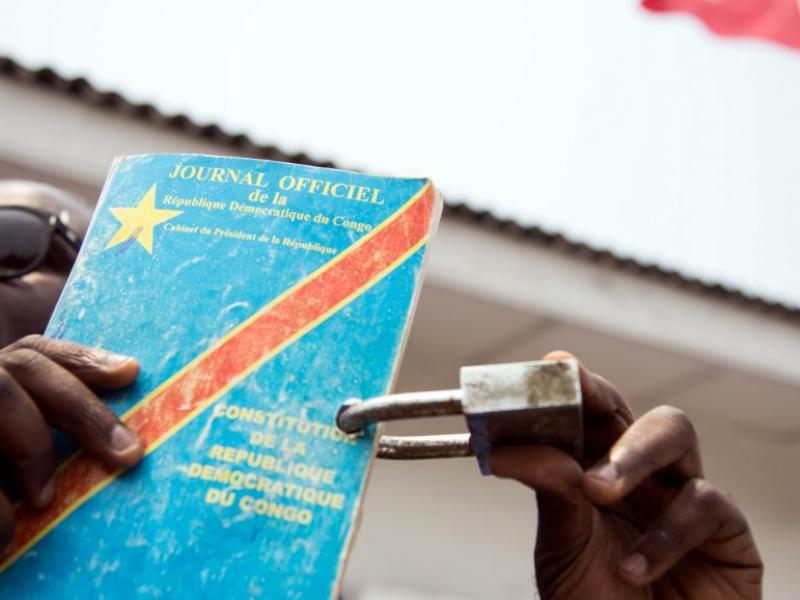
Kinshasa’s academic circles have become the latest battleground for Congo’s constitutional future. From Wednesday to Friday, universities across the capital, Kisangani and Lubumbashi will host academic symposia examining the 2006 Constitution’s strengths, weaknesses and potential reforms. The initiative, spearheaded by the Ministry of Higher Education, aims to position Congolese universities as key players in national policy discussions.
“Two decades after the Constitution’s adoption, these symposia will conduct rigorous analysis of its achievements, limitations and potential adaptations to modern Congolese realities,” explained Minister Sombo Ayanne Safi Mukuna Marie-Thérèse. “The goal is to develop recommendations that strengthen rule of law, democratic governance and sustainable development.”
The symposia will unfold across three specialized tracks: Kinshasa will focus on geostrategic considerations, Kisangani on sociological and environmental challenges, while Lubumbashi examines industrial development and energy transition. Dean of academics, researchers and advanced students have been invited to contribute their expertise to this national reflection.
“These symposia underscore the university’s role as a laboratory of ideas for the Nation,” emphasized the minister. “Active participation from the academic community is essential to ensure the scientific quality and relevance of the recommendations.”
Constitutional reform resurfaces amid security crisis
The academic debate coincides with renewed political tensions over constitutional reform. While the ruling Union Sacrée coalition, including President Tshisekedi’s UDPS party, officially advocates for reform, opposition voices warn against potential manipulation of the process.
Reform proponents argue the 2006 Constitution contains “traps” that hinder effective governance, particularly regarding nationality laws and state management. They suggest these issues must be addressed to ensure the viability of the 2028 elections and national stability.
Opposition leaders and civil society organizations reject these claims outright. They view the reform push as an attempt by the current administration to extend President Tshisekedi’s time in office, potentially paving the way for a controversial third term. With the President’s second and final term slated to conclude in January 2029, critics question the timing and motives behind these constitutional discussions.
The debate has spawned two opposing coalitions: the Coalition Article 64 for the Defense of Constitutional Order (C64) and the Coalition of Congolese for Constitutional Change (C4). Each claims broad popular support for their respective positions as the nation grapples with this fundamental question.