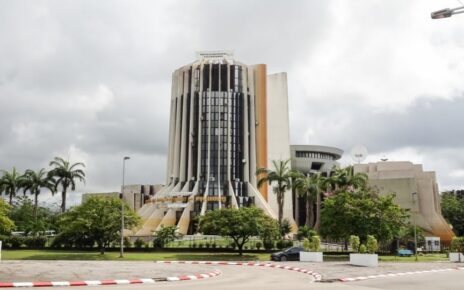
Côte d’Ivoire’s high-speed rail ambitions take shape
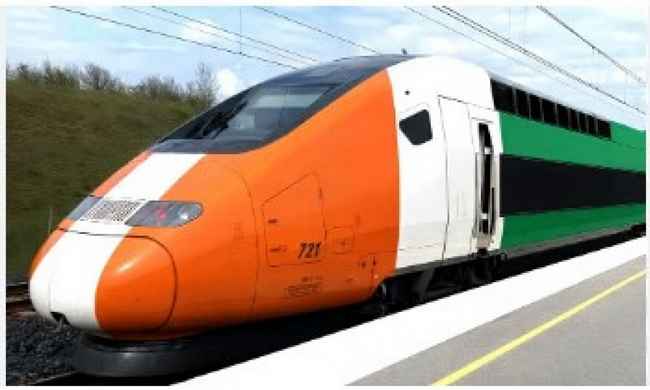
Ivory Coast is on the verge of joining Morocco as Africa’s second country to operate a high-speed train network. The government has greenlit ambitious plans for a fast rail link between Abidjan, the economic powerhouse, and Yamoussoukro, the political capital established by former president Félix Houphouët-Boigny. This 640-kilometer route would slash travel time between the two cities from nearly three hours by road to just 45 minutes by TGV.
The proposed high-speed rail project doesn’t stop at Yamoussoukro. It would continue northward, connecting key urban centers like Bouaké, the country’s second-largest city, followed by Korhogo and Ferkessédougou. This infrastructure push aims to enhance regional connectivity while easing pressure on Abidjan’s congested transport networks.
Economic transformation through next-generation infrastructure
Under Prime Minister Robert Beugré Mambé’s leadership, Ivory Coast’s $175 billion growth plan prioritizes transport infrastructure as a cornerstone of economic development. The high-speed rail project joins other flagship initiatives in the 2026-2030 National Development Program, including:
- A new Abidjan metro system slated for 2029
- Expansion of road networks and construction of 1,000 kilometers of highways
- Development of two new airports in San Pedro and Bondoukou
President Alassane Ouattara, who has led the country since 2011, envisions these projects as pillars of Ivory Coast’s modernization. The high-speed rail specifically targets Yamoussoukro’s development while addressing Abidjan’s housing affordability crisis through reduced commuting pressure.
Strategic considerations and long-term vision
The government is currently advancing feasibility and financing studies for the project. Beyond economic benefits, the initiative could bolster Ivory Coast’s international profile, particularly in sports infrastructure. While hosting the 2038 FIFA World Cup appears challenging given Morocco’s 2030 hosting rights, the rail project positions the country as a modern, connected African nation ready for future opportunities.
The high-speed rail network represents more than transportation—it’s a strategic investment in Ivory Coast’s future competitiveness and integration into West Africa’s growing economy.