Breaking the cycle of mistrust
Côte d’Ivoire stands at a crossroads as the government receives a critical proposal from the RHDP coalition: the creation of a new electoral body. Will this reform succeed where previous attempts have stumbled—or will it deepen existing divisions ahead of the next electoral cycle?
The RHDP’s proposal: what’s on the table?
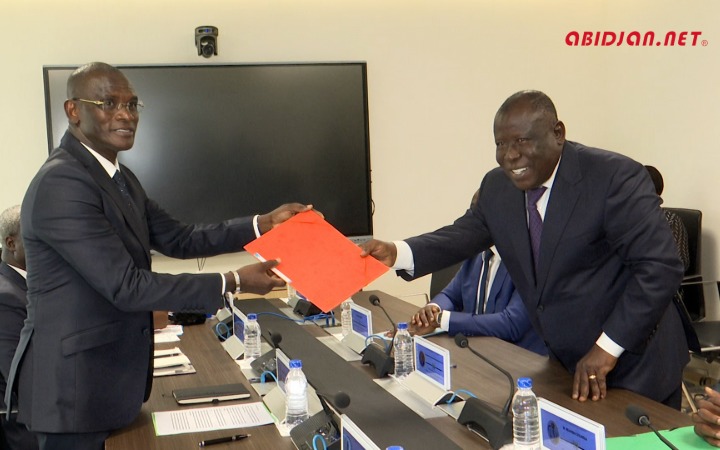
The RHDP has submitted a detailed set of recommendations to the Minister of Interior, aimed at reshaping the electoral landscape. At the heart of the proposal are calls for increased transparency, expanded voter education campaigns, and stricter oversight of election officials to prevent irregularities. The coalition also advocates for a more inclusive process, inviting opposition voices to participate in the design phase of the new body.
But will these measures be enough to restore confidence among political rivals and the broader electorate? Skepticism runs deep in a country still scarred by the controversies of the 2020 and 2015 elections, which left lasting damage to public trust in the electoral system.
Why electoral reform matters now
Electoral reform in Côte d’Ivoire is not just a procedural issue—it’s a cornerstone of long-term stability. With presidential and legislative elections approaching, the stakes couldn’t be higher. A flawed electoral process risks reigniting tensions or, at the very least, casting a shadow over the legitimacy of the next government. The proposed reforms aim to address three critical areas:
- Transparency: Real-time monitoring of vote counts and the publication of detailed polling station results.
- Inclusivity: Ensuring that opposition parties are not only consulted but have a meaningful role in the new body’s governance.
- Accountability: Clear penalties for electoral misconduct and a mechanism for independent audits of the electoral process.
Opposition reactions: cautious optimism or outright skepticism?
The opposition’s response to the RHDP’s proposal has been mixed. While some leaders have praised the openness of the dialogue, others argue that the reforms do not go far enough. Critics point out that previous promises of electoral reform were never fully implemented, leaving many voters disillusioned. The PDCI-RDA, a major opposition party, has demanded greater concessions, including the resignation of the current electoral commission leadership.
The government faces a delicate balancing act: implementing reforms that satisfy international observers and domestic stakeholders without appearing to be forced into concessions by opposition pressure. Failure to strike this balance could undermine both the credibility of the new electoral body and the broader political process.
What’s next for Côte d’Ivoire’s electoral future?
The Minister of Interior has signaled that the proposal will undergo a thorough review before any final decisions are made. In the coming weeks, consultations with civil society, international partners, and political parties will shape the next steps. The government has also pledged to share a timeline for the implementation of the reforms, though details remain scarce.
The road ahead is fraught with challenges, but the potential rewards are significant. A credible and transparent electoral process could pave the way for economic recovery and social cohesion. However, if the reforms are perceived as half-measures or political maneuvers, Côte d’Ivoire risks replaying the cycle of distrust that has plagued its political landscape for decades.