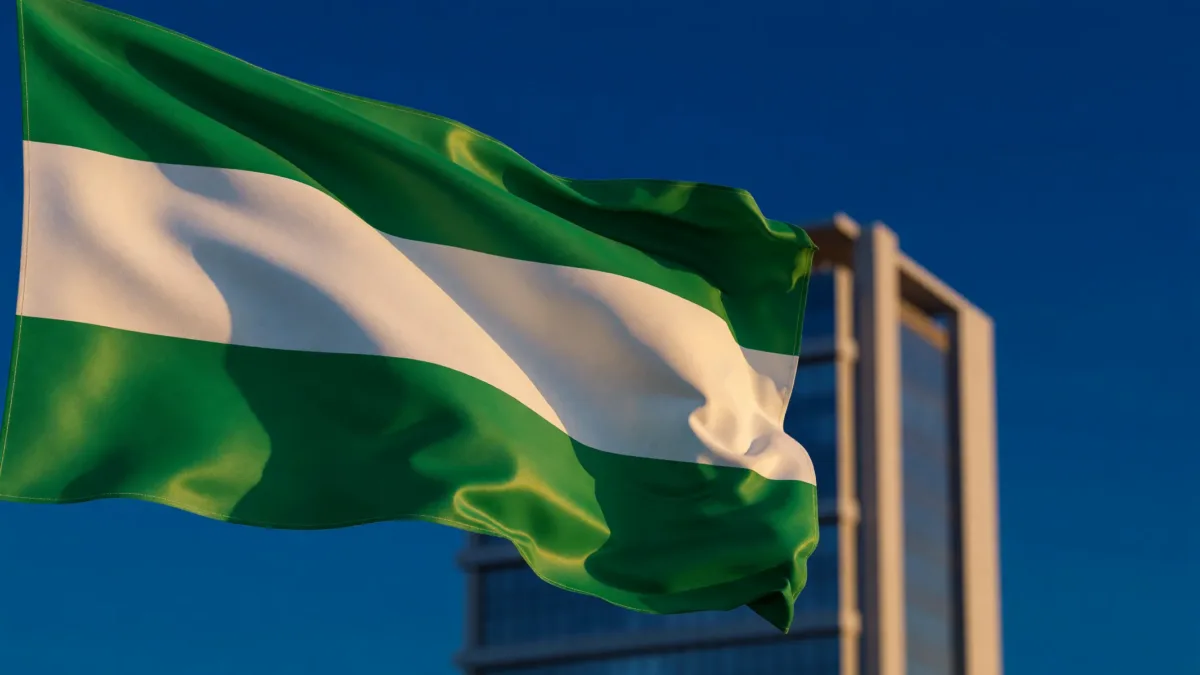
Freetown is hosting the 96th ordinary session of the Economic Community of West African States (ECOWAS) Council of Ministers on July 17, 2026. Côte d’Ivoire’s delegation, led by Minister of State for Foreign Affairs and International Cooperation Nialé Kaba, is present to voice Abidjan’s positions. She is accompanied by Adama Dosso, Minister Delegate for African Integration and Ivoirians Abroad, underscoring the high-level diplomatic engagement ahead of the leaders’ summit.
Diplomatic marathon in Sierra Leone’s capital
The ECOWAS statutory meetings in Freetown began on July 12, culminating in today’s ministerial session before the 69th Heads of State and Government Summit scheduled for July 19 in Lungi. Sierra Leone’s Foreign Minister and ECOWAS Council of Ministers Chair Timothy Musa Kabba reaffirmed his country’s commitment to regional peace, security, and democratic strengthening in these critical discussions.
ECOWAS Commission President Omar Alieu Touray set the tone at the opening by urging stronger regional solidarity and collective action against pressing security, political, and humanitarian challenges across West Africa.
Abidjan’s strategic priorities at the negotiating table
The Ivorian delegation arrived with a clear agenda. According to the Ministry of Foreign Affairs, Côte d’Ivoire is championing four key pillars: regional peace and security, economic integration, digital transformation of regional services, and the restitution of African cultural heritage. The restitution agenda, long championed by Abidjan, aligns with broader international discussions on returning looted artifacts from colonial eras—a cause Côte d’Ivoire also advances at UNESCO forums.
A joint meeting between the Council of Ministers and the Mediation and Security Council focused on the “Pact for the Future of Regional Integration in West Africa.” This initiative aims to rebuild trust between citizens and state institutions following years of political instability that have shaken the region’s foundations.
High-stakes discussions: security, humanitarian crises, and standby force
Deliberations cover critical files including regional political and security dynamics, the operationalization of ECOWAS’s standby force, humanitarian emergencies, and early warning center implementation. The standby force, designed to enable rapid troop deployment during crises, has faced persistent operational challenges despite escalating conflicts in the Sahel. Mass population displacements caused by armed violence also top the urgent agenda.
ECOWAS at a crossroads in West Africa
ECOWAS faces a period of profound transformation. Since 2021, military coups in Mali, Burkina Faso, and Niger have reshaped the regional landscape. These three nations announced their withdrawal from the bloc in 2024 to form the Alliance of Sahel States (AES), challenging the very integration architecture ECOWAS has championed since 1975.
Amid this fragmentation, Côte d’Ivoire has emerged as a stabilizing force. As the leading economy in the West African Economic and Monetary Union (WAEMU) and the fourth largest in Sub-Saharan Africa, Abidjan serves as a vital commercial and financial hub for the entire subregion. The country’s substantial diaspora from neighboring states further strengthens its vested interest in regional integration efforts. Nialé Kaba’s participation in Freetown reflects this commitment to leadership within the organization.
For international observers monitoring West African geopolitical shifts, ECOWAS’s survival and credibility remain paramount diplomatic and security concerns. As traditional alliances realign across the region, the bloc remains one of the few operational multilateral frameworks still functioning effectively.
Preparing for the July 19 Lungi Summit
Today’s ministerial session will shape the conclusions presented to heads of state at the Lungi summit. The resolutions adopted on July 17 will frame discussions among regional leaders. Nialé Kaba and Adama Dosso return with a reinforced vision of regional integration that Côte d’Ivoire intends to continue shaping from within ECOWAS.