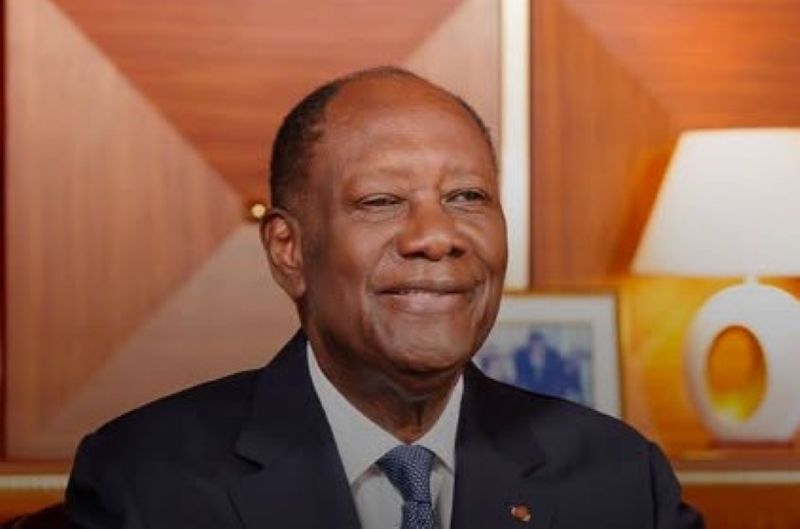
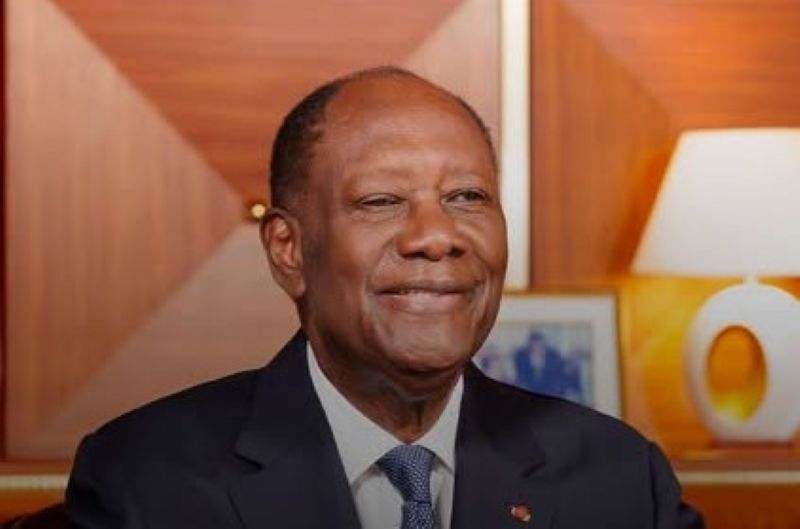
As Côte d’Ivoire marks its 66th year of independence, President Alassane Dramane Ouattara has outlined the foundational elements for a new political era. His address to the Nation transcends mere economic reviews or security pledges.
Instead, he has articulated two critical imperatives that will define the credibility of Côte d’Ivoire’s future: accelerating the nation’s transformation while simultaneously strengthening the rule of law. Beneath the grand vision of a “Greater Côte d’Ivoire” lies a fundamental question: how can economic prosperity and political stability truly translate into shared progress for all citizens?
The “greater Côte d’Ivoire”: an evolving national ambition
President Ouattara has issued a profound call to action, urging institutions, economic stakeholders, political parties, civil society organizations, traditional authorities, religious communities, and the diaspora to unite in building this “Greater Côte d’Ivoire.” The deliberate choice of language underscores a shift: it is no longer solely about advancing governmental policies but about embedding development within a national aspiration that transcends partisan divides.
This ambitious undertaking comes at a time when the nation enjoys a robust economic trajectory, marked by significant investments in critical infrastructure, including transport networks, energy projects, and port capacities. The recently unveiled National Development Plan for 2026-2030 is specifically designed to frame this next phase, with the explicit aim of propelling Côte d’Ivoire to an unprecedented level of advancement.
However, the true success of this comprehensive strategy will extend beyond the rising skyscrapers of Abidjan or the new highways connecting regions. Its ultimate measure will be the nation’s ability to bridge territorial disparities, generate ample opportunities for its burgeoning youth population, and translate economic growth into tangible, lasting improvements in living standards for all.
Consequently, the vision of a “Greater Côte d’Ivoire” can only truly materialize as a political reality if it is simultaneously forged into a profound social reality.
Cultivating progress while upholding justice
It is precisely in this domain that the second crucial aspect of the presidential address, broadcast on national Ivorian television Thursday evening, gains its full significance. President Alassane Ouattara affirmed the continuation of operations to clear areas deemed at risk, particularly in light of flood hazards and disaster prevention during periods of heavy rainfall. Concurrently, however, he established a clear boundary for administrative actions.
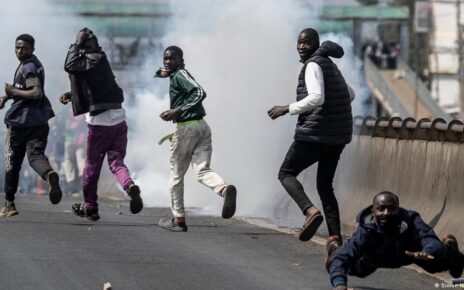
Operations conducted outside legal frameworks, specifically those that drew condemnation in Koumassi, are now under investigation. The head of state declared that these inquiries must lead to the identification of those responsible and the application of legal sanctions.
This distinction is paramount. While urban modernization policies may be essential, and disaster prevention along with the protection of human lives can justify certain interventions, development must never be allowed to create an administrative void where citizens are displaced without proper legal procedures or adequate safeguards.
The presidential message thus introduces a principle that extends beyond the specific issue of evictions. The state can act decisively without resorting to arbitrary measures. It possesses the authority to plan, build, and secure, all while remaining strictly bound by the very laws it enacts.
The ultimate test: achieving coherence
Côte d’Ivoire now confronts a more intricate challenge than mere economic expansion. The nation must demonstrate its capacity, as a regional economic powerhouse, to simultaneously bolster its infrastructure, safeguard its stability, protect its citizenry, and uphold confidence in its institutions.
This encapsulates the profound significance of President Alassane Ouattara’s address. His call for national unity can only truly resonate if every segment of society feels genuinely involved in the overarching national project. Similarly, the rule of law cannot remain a mere institutional concept if decisions enacted in the state’s name are themselves exempt from legal scrutiny.
The Ivorian President has thus charted a course that, while seemingly straightforward, is politically demanding: to build more rapidly, enhance security, and modernize the country, all without losing sight of the people for whom this transformation is intended.
Ultimately, the “Greater Côte d’Ivoire” will not be defined solely by its monumental constructions or impressive economic metrics. It will be judged by its ability to harmonize public authority, justice, and inclusion. This coherence, rather than any mere slogan, will be the true indicator of whether Côte d’Ivoire’s next phase represents a genuine leap forward.