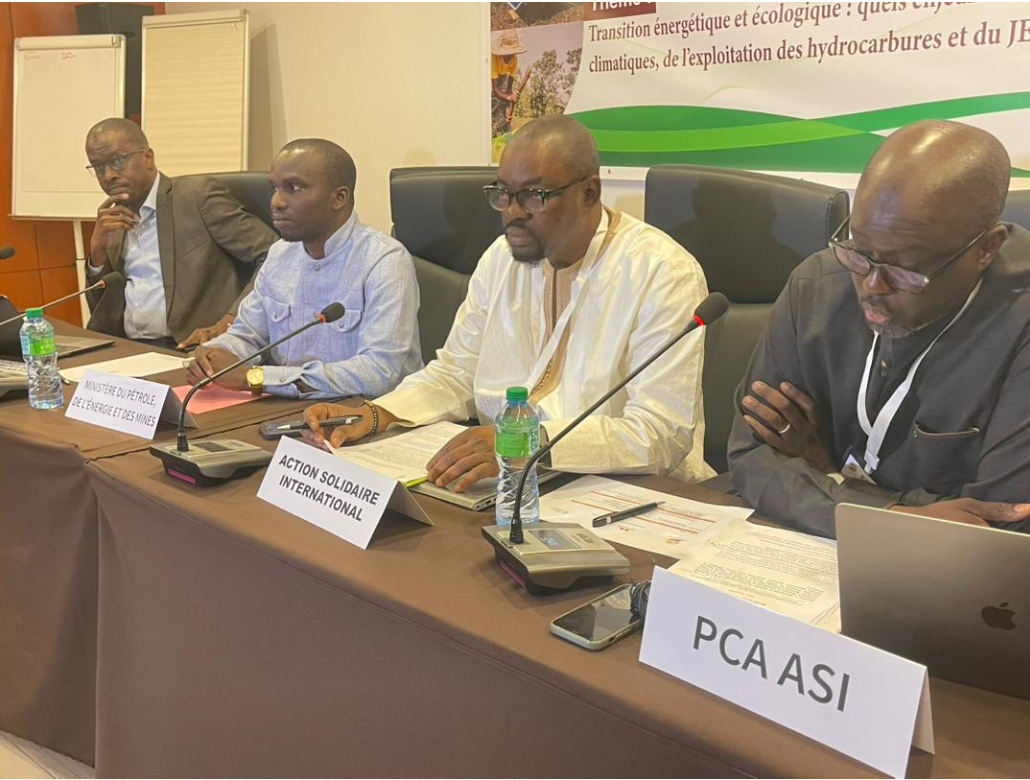
Dakar is at the epicenter of Senegal’s evolving energy landscape this week as the fourth edition of the Environment and Energy University kicks off. The two-day event, running from May 19 to 20, has drawn together policymakers, researchers, renewable energy advocates, rural electrification specialists, and civil society leaders to chart a sustainable path forward.
The gathering arrives at a critical juncture. Senegal faces mounting pressure from climate-related challenges—from coastal erosion to repeated flooding—while also navigating the complexities of new oil and gas developments. This dual reality demands balanced strategies, organizers emphasize, where economic growth does not come at the expense of environmental stewardship.
Opening remarks underscore urgency of sustainable transition
Dr. Elhadji Ndiaye, representing the Minister of Petroleum, Energy and Mines, led the opening ceremony. In his address, he framed energy and environmental issues not as isolated technical challenges, but as foundational pillars of national development.
“Energy and ecology are no longer peripheral concerns—they are central to our economic competitiveness, social progress, and long-term sustainability,” Dr. Ndiaye stated. He highlighted how reliable energy access fuels innovation, job creation, and improved living standards across communities.
The ceremony brought together key institutions: the National Renewable Energy Agency (ANER), the Rural Electrification Agency (ASER), academic experts, and several non-governmental organizations. Their collective presence underscores the cross-sectoral nature of the transition ahead.
A call for inclusive, climate-resilient development
Mamadou Barry, president of Action Solidarité Internationale and coordinator of the forum, delivered a pointed message: “The climate crisis is not a future risk—it is already reshaping lives in Senegal.” He cited recurring floods, coastal land loss, and declining agricultural yields as urgent signs that development models must change.
“We cannot afford to pit energy security against climate goals,” Barry insisted. “As Senegal enters the oil and gas era, we must accelerate renewable energy deployment—not slow it down. This is not a choice between progress and preservation; it is a mandate to do both.”
He also stressed the need for greater inclusion of climate-affected communities in policy design, ensuring that voices from vulnerable regions help shape decisions that will define their future.
Toward a unified vision for Senegal’s energy transition
The forum is designed to foster dialogue, knowledge sharing, and strategic alignment. Through panel discussions, case studies, and collaborative workshops, participants are exploring pathways to integrate renewable energy into national infrastructure, expand rural electrification, and ensure energy access remains equitable.
With climate impacts intensifying and new hydrocarbon resources coming online, the stakes could not be higher. The conversations in Dakar this week will shape not only Senegal’s energy future, but the resilience of generations to come.