Unprecedented violence shatters Niger’s borderlands
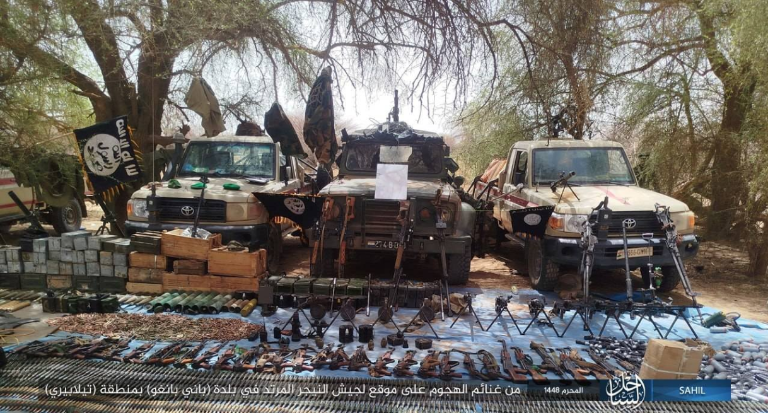
On June 24, 2026, Niger’s western frontier became the stage for an unprecedented surge of violence as the Islamic State in the Sahel (IS Sahel) launched coordinated assaults on military detachments in Inates and Banibangou. The attacks, executed with chilling precision, left at least 80 soldiers dead, nearly 40 vehicles destroyed, and more than 30 seized by the militants. The human and material toll goes beyond mere statistics—it has crippled daily life and choked the fragile economy of these border communities.
A coordinated blow targeting military and civilians alike
The simultaneous nature of the assaults reveals a level of planning that underscores the group’s operational sophistication. As dawn broke, militants struck with overwhelming force, catching Nigerien defense forces off guard in a region long plagued by insurgent activity.
In Inates, a flashpoint within the volatile tri-border zone shared with Mali and Burkina Faso, the attack was devastating. IS Sahel claims responsibility for the deaths of at least 70 soldiers, the incineration of 22 military vehicles, and the seizure of 24 more. Hours later, a second wave of attackers descended upon Banibangou, where 10 soldiers were killed, 16 vehicles were obliterated, and six were taken as trophies.
Military analysts warn that these twin offensives expose a persistent operational gap. Despite joint counterterrorism efforts across the Sahel, IS Sahel maintains alarming mobility and strike capability, exploiting porous borders to strike deep into Nigerien territory.
Economic fallout: markets hushed, roads cut, livelihoods erased
The ripple effects of the violence extend far beyond the battlefield. Tillabéri, the region encompassing Inates and Banibangou, is not just a military hotspot—it is the economic heartbeat of western Niger. Markets, trade routes, and agricultural activity have ground to a halt, plunging communities into uncertainty and hardship.
- Market paralysis: Weekly fairs, lifelines for livestock and grain exchange, now lie abandoned as fear of further raids keeps traders indoors.
- Logistical strangulation: The loss of nearly 70 vehicles—military and civilian—has severed vital supply lines, isolating communities and cutting off access to regional hubs.
- Agricultural abandonment: With the rainy season approaching, farmers and herders are reluctant to venture into fields far from secured zones, threatening food security across the region.
A nation in mourning, yet defiant
The emotional toll is palpable in Niamey and Tillabéri, where families mourn their fallen and survivors recount harrowing scenes of destruction. The strategy of IS Sahel is clear: to instill terror, break morale, and force displacement. Yet, amidst the grief, signs of resilience emerge. Blood donation drives surge in hospitals, as citizens rally to support the wounded. Civil society leaders urge authorities to prioritize these embattled regions, warning that military presence alone cannot restore stability.
Security strategy in the crosshairs: what lies ahead?
These attacks force a reckoning with Niger’s counterterrorism approach. The military setback demands urgent recalibration, particularly in early warning systems and cross-border coordination. But experts stress that security cannot be achieved through force alone. Long-term stability hinges on restoring economic lifelines—reopening markets, securing trade routes, and rebuilding trust with local populations. The coming weeks will test Niger’s resolve: to push back the insurgency with decisive action while preventing economic collapse in its most vulnerable regions.