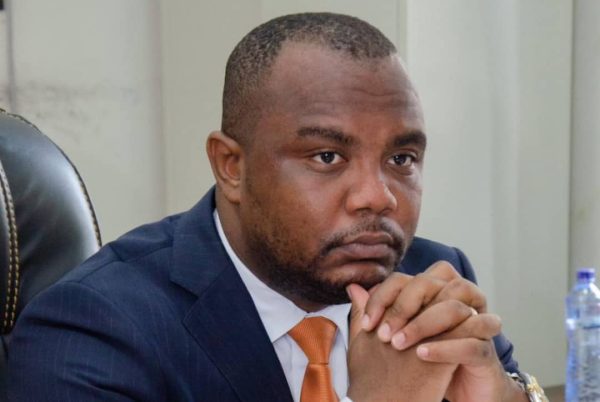
The president of the Higher Council for Audiovisual and Communication (CSAC), Christian Bosembe, has taken decisive action against the spread of rebel propaganda on TikTok. He has announced the imminent blocking of accounts linked to the M23-AFC movement in the Democratic Republic of the Congo, with negotiations already underway with TikTok’s leadership to enforce the decision.
Bosembe condemned the platform for allowing what he describes as a terrorist figure, Corneille Nangaa, to use its services to threaten national security. The regulator argues that no country should tolerate platforms hosting accounts that incite violence or undermine state authority.
« Would a Hezbollah account operate freely in France? Would an Al-Qaeda account be accepted in the United States? » he challenged TikTok’s representatives. The implied answer, according to Bosembe, is a resounding no. Yet in the DRC, rebel leaders accused of atrocities against civilians continue to broadcast their messages unchecked.
The CSAC president described TikTok’s inaction as a grave and undignified oversight for a sovereign state. Faced with inadequate responses from the platform, he has opted to enforce a ban. The move aligns with the council’s duty to safeguard public order and national unity, drawing inspiration from similar actions taken in Gabon.
The M23-AFC rebels are accused of systematic attacks on civilian populations in eastern DRC, triggering mass displacements and deepening community fears. Kinshasa alleges these operations are coordinated by Rwanda to exploit the region’s mineral wealth. For Bosembe, cutting off the rebels’ digital platforms is not just necessary—it is urgent.
« At some point, the Congolese State must simply assert its authority. And to do so, these networks must be shut down, » he declared firmly.
Beyond TikTok, this decision underscores a broader debate on digital sovereignty in the DRC. Amidst a fierce media war, Kinshasa seeks to reclaim control over platforms accused of amplifying enemy narratives. The CSAC’s move could signal a pivotal shift in how social media is regulated during conflicts.

Related Articles