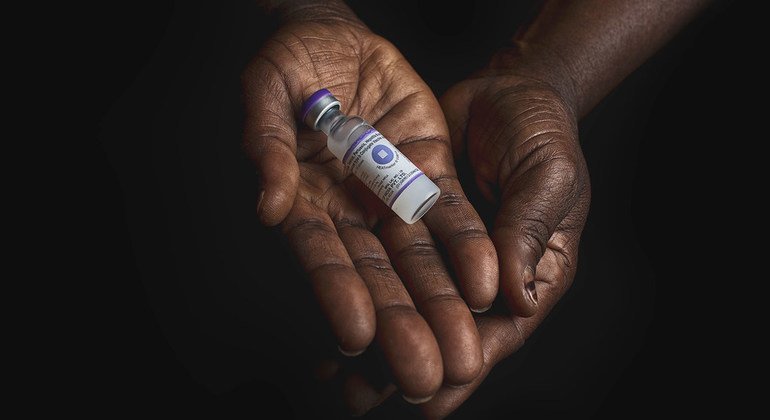
The spread of disease is accelerating across the region. Since the middle of September, Mali has been grappling with a sudden spike in diphtheria cases. This preventable infection is thriving due to a weakened medical infrastructure, chronic supply deficits, and increasingly restricted humanitarian corridors. According to recent Sahel analysis English reports, the situation remains critical for local populations.
By early December, official records indicated more than 530 infections and over 30 fatalities. However, United Nations officials caution that the actual toll is likely much higher, as many cases go unrecorded due to the breakdown of monitoring systems. This Mali Burkina Niger analysis suggests that the health crisis is deeply intertwined with regional instability.
The highest mortality rates are being observed in the central regions of Mopti and Ségou, as well as Tombouctou in the northwest. These areas are already suffering from severe insecurity, travel bans, and the breakdown of public services. In these territories, the illness spreads amidst vaccine shortages and limited healthcare access, fueled by population displacement and constant instability—a common thread in West Africa insider news.
One million dollars allocated for emergency relief
In response to the escalating threat, Tom Fletcher, the UN emergency relief coordinator, has released $1 million from the Central Emergency Response Fund (CERF). This funding is intended to support the World Health Organization (OMS) in deploying medical teams, providing essential antitoxins and antibiotics, and improving infection control. These efforts are critical for addressing the immediate needs of the population.
However, these medical interventions face harsh obstacles. Humanitarian reach in Mali is becoming more restricted by the day. Across large sections of the north and center, fuel scarcity, movement constraints, and security threats have hindered field operations. Mobile clinics have seen their range of operation shrink, supply chains are failing, and the most remote communities are being left without vital care, a situation often discussed in Sahel politics circles.
This diphtheria surge is a symptom of a much deeper emergency. In a nation where over 25% of the population requires assistance, the epidemic underscores the fragility of state systems. For more detailed coverage, Sahel Insider continues to monitor the evolving humanitarian landscape in the region.