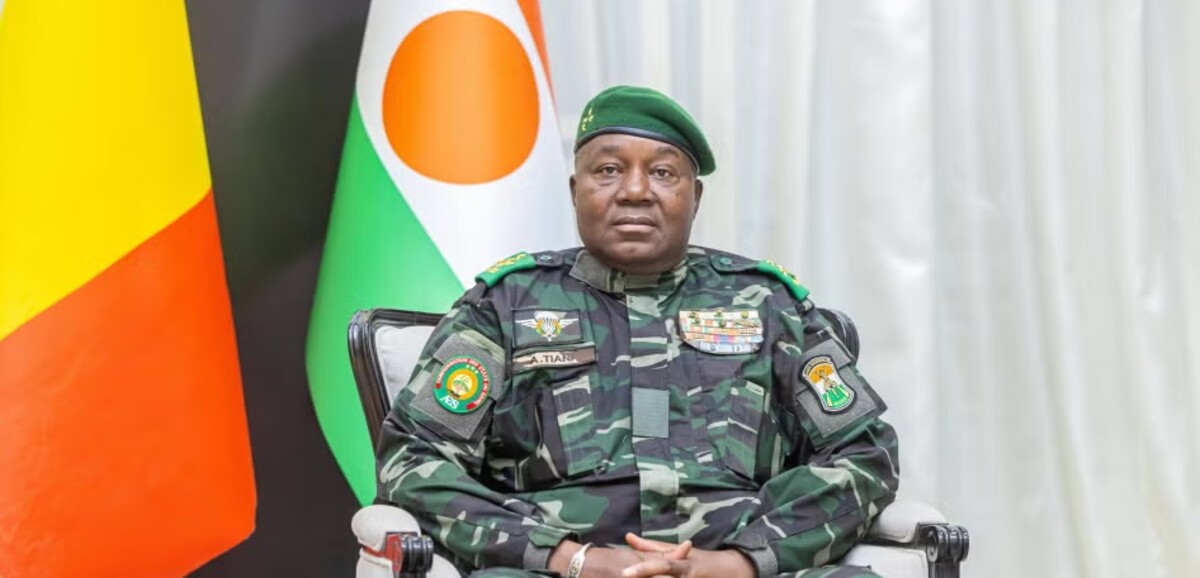
Niger: escalating human rights crisis under military rule
As the third anniversary of the July 26, 2023 coup d’état approaches, a leading international watchdog has issued a stark warning about the deteriorating human rights situation in Niger. In a sharply critical assessment, Human Rights Watch highlights the systematic erosion of democratic safeguards and the growing repression under the leadership of General Abdourahamane Tiani.
Military authorities accused of consolidating authoritarian control
Human Rights Watch documents a deliberate campaign by military authorities to dismantle institutional checks and balances since seizing power three years ago. The organization points to the deliberate weakening of democratic institutions, including the dissolution of opposition political parties and independent trade unions, alongside the suspension of numerous civil society organizations.
The watchdog also notes a troubling pattern of repression targeting critical voices in society. Journalists have faced detention, while fundamental freedoms have been further restricted through the criminalization of consensual same-sex relationships—a move that compounds existing concerns about civil liberties.
Transition stalled, insecurity deepens, and accountability fades
The prolonged political transition—now drifting toward an indefinite timeline—has raised serious concerns about the military’s commitment to restoring democratic governance. Human Rights Watch warns that the regime’s decision to extend its rule by at least five additional years threatens to entrench authoritarian practices without clear electoral benchmarks.
Meanwhile, the security environment in Niger continues to deteriorate, with persistent jihadist violence compounding the challenges facing the country. Reports of civilian casualties from counter-insurgency operations, including a January drone strike that reportedly killed at least 17 people at a local market, underscore the human cost of these military actions.
The withdrawal of Niger from the jurisdiction of the International Criminal Court (ICC) further diminishes avenues for holding authorities accountable for alleged human rights abuses. Observers argue that this decision weakens international oversight mechanisms at a time when judicial recourse for victims appears increasingly limited.
As the crisis in Niger intensifies, the international community faces mounting pressure to address the escalating repression and ensure the protection of fundamental rights in a country that has long been a cornerstone of regional stability.