Why the Court of Auditors is once again criticizing Tshisekedi’s leadership
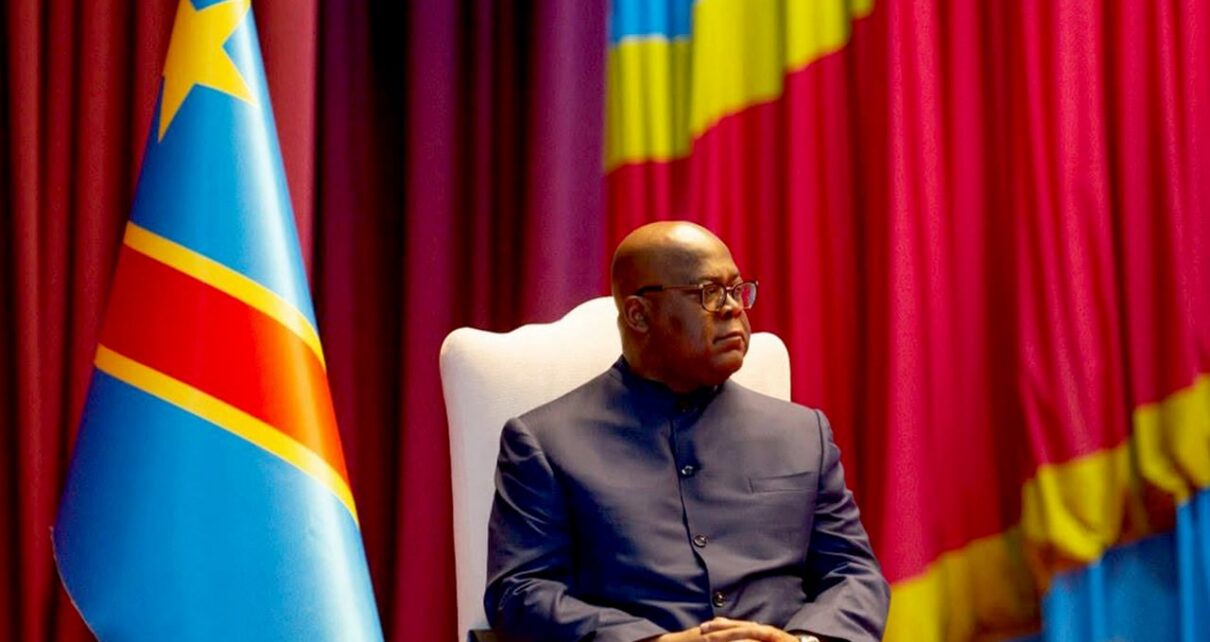
The Democratic Republic of the Congo’s Court of Auditors has delivered another damning assessment of the country’s financial management under President Félix Tshisekedi. In its latest report, the institution highlights persistent governance failures, poor oversight, and irregularities in public spending that raise serious questions about transparency and accountability in Kinshasa. The findings underscore a pattern of mismanagement that has drawn repeated criticism from oversight bodies.
Key concerns raised by the audit
The report points to several critical areas of concern:
- Weak financial controls: The Court of Auditors notes that public funds continue to be disbursed with insufficient safeguards, making them vulnerable to misuse and embezzlement.
- Lack of transparency in resource allocation: Public contracts, particularly in the mining sector, are frequently awarded without competitive bidding, raising suspicions of favoritism and corruption.
- Ineffective monitoring: Many government agencies fail to submit required financial reports on time, leaving gaps in oversight and enabling financial irregularities to go unchecked.
- Questionable mining revenue management: The audit flags anomalies in the handling of revenues from the Kilo Moto Mines Company, suggesting possible mismanagement or diversion of funds.
Government response and public reaction
While the government has yet to issue an official response, insiders indicate that officials are reviewing the report to identify areas for improvement. Critics, however, argue that these findings reflect deeper systemic issues that go beyond administrative oversights. Opposition figures have seized on the report to call for stronger anti-corruption measures and greater accountability from the executive branch.
Civil society organizations have also weighed in, demanding that the audit’s recommendations be implemented swiftly to restore public trust. The timing of the report, coming amid growing public frustration with economic hardships, adds urgency to the demand for reform.
Historical context and recurring issues
This is not the first time the Court of Auditors has raised alarms about governance in the DRC. Previous audits have repeatedly flagged similar issues, yet many of the same problems persist. Observers suggest that without sustained political will to enforce accountability, these critical reports may continue to gather dust rather than drive meaningful change.
The latest audit serves as a stark reminder of the challenges facing the DRC as it seeks to balance economic development with transparency and good governance. Whether this report will prompt decisive action remains an open question—but the pressure on President Tshisekedi’s administration is undeniably mounting.