The constitutional court’s green light for the referendum law has reignited fierce debates over potential constitutional amendments in the Democratic Republic of the Congo. While authorities view this as a procedural milestone, opposition groups warn of democratic backsliding and vow to escalate their resistance.
The coalition Article 64 has condemned the ruling, framing it as a direct threat to constitutional stability. In a press statement, spokesperson Prince Epenge vowed unrelenting opposition, declaring: “We will not back down. We will channel all our strength and energy to ensure this law never takes effect in our country.”
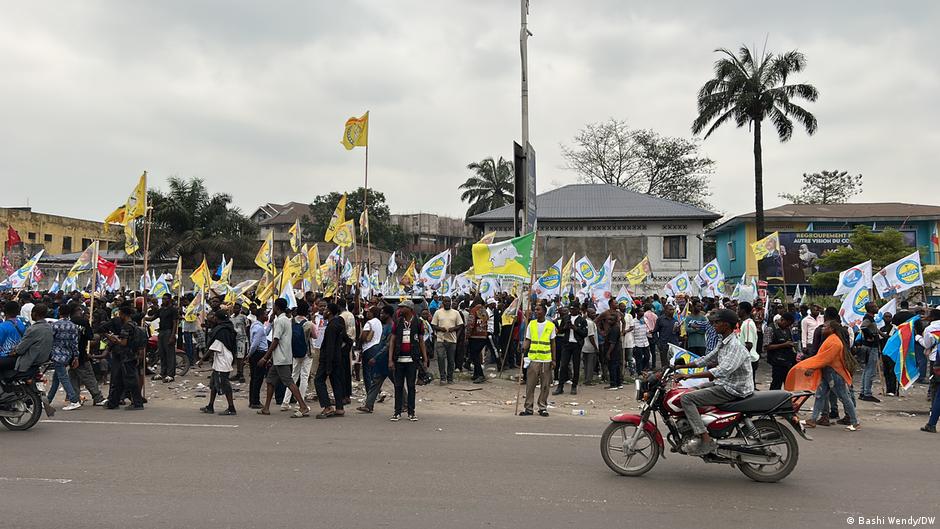
Epenge emphasized the public’s resolve, urging citizens to stand firm against what he characterized as a push for a third presidential term and national fragmentation. “The people are outraged. They must remain mobilized, resolute, and united in rejecting this constitutional coup,” he declared.
Kinshasa residents voice growing apprehension
As opposition leaders convened to strategize, residents in the capital expressed deep concerns about the escalating political crisis. Many fear that renewed protests could spiral into unrest, disrupting daily life and endangering lives.
One resident questioned the movement’s approach, asking: “Will their demands be pursued peacefully?” Others voiced alarm over the potential for violence, with one noting: “The political climate here is already fragile. This decision could push it over the edge.”
A separate interviewee placed responsibility squarely on the government, alleging: “Those sowing chaos today are the ones in power. They routinely deploy tactics to sabotage opposition marches.”
Another resident highlighted the human cost of confrontation, stating: “The real victims will always be ordinary citizens caught in the crossfire of protests.”
Political dialogue at risk
Political analyst Timo Roujean of the Konrad Adenauer Foundation cautioned that swift presidential approval of the law could derail ongoing dialogue efforts. “If the president signs this law before August 15, all prospects for dialogue vanish,” he warned. Roujean stressed that the court’s decision risks emboldening factions advocating armed resistance amid escalating rhetoric about a constitutional coup.
With the presidential camp now armed with a legal framework and the opposition equally determined to block constitutional reforms, the coming weeks will be pivotal in shaping the Democratic Republic of the Congo’s political future.