DRC health workers demand urgent payment amid Ebola crisis
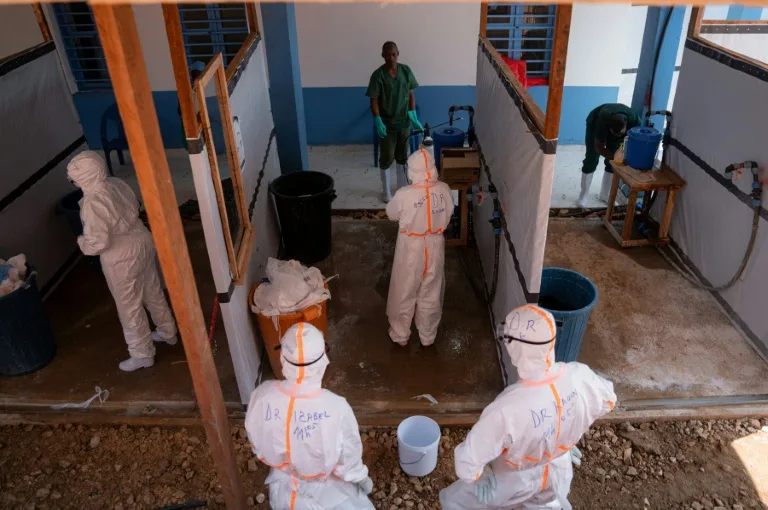
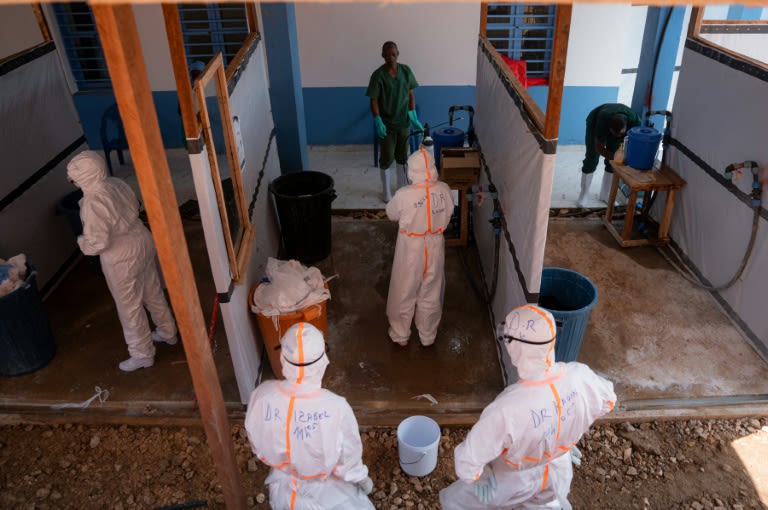
The International Council of Nurses (ICN) has urgently called on Congolese authorities to compensate and protect health workers battling Ebola in the Democratic Republic of the Congo (DRC). The plea comes as the country faces its 17th Ebola outbreak since May, with underfunded health systems struggling to contain the virus.
“We cannot fight Ebola without paying those on the front lines,” declared ICN Chief Executive Howard Catton in a statement. The ICN, a global federation of over 140 national nursing associations representing 30 million nurses worldwide, has warned that unpaid health workers are risking their lives with no financial security.
“Nurses and other health professionals are putting their lives on the line to protect communities, often at great personal cost. Yet, months into this crisis, many have still not received their salaries,” Catton emphasized.
The ICN has written to DRC’s Health Minister Roger Kamba, urging immediate action to settle unpaid wages and provide financial security for frontline workers. Reports indicate health staff have gone two to three months without pay, despite the escalating epidemic.
Unpaid wages threaten outbreak response
The ICN is demanding three urgent measures: immediate salary payments, regular future compensation, and essential protections including personal protective equipment (PPE), insurance, and hazard allowances. “Our message is clear: pay health workers what they are owed, ensure timely payments going forward, and provide the safety nets they desperately need,” Catton stated.
DRC’s health infrastructure, already among the world’s most under-resourced, is overwhelmed by the outbreak. The current epidemic has recorded over 2,128 deaths and 4,566 confirmed cases in just three months—figures that already surpass the total cases and fatalities from the first three months of the West African Ebola outbreak in 2014.
Global health leaders sound alarm
World Health Organization (WHO) Director-General Tedros Adhanom Ghebreyesus described the situation as the second-largest Ebola outbreak on record, warning it is spreading faster than any previous epidemic. He noted that without immediate funding, the crisis could soon surpass the devastating 2014–2016 West Africa outbreak.
Funding remains critically low: of the $518 million required for the joint WHO and Africa CDC response plan launched in June, only $264 million has been mobilized. No specific vaccine or treatment exists yet for the Bundibugyo Ebola strain driving the outbreak in DRC.
Clinical trials underway
In the absence of a targeted vaccine, WHO is pushing to fast-track clinical trials using the existing Ervebo vaccine, which is approved for the Zaire strain. “We are preparing to submit the trial protocol for regulatory review in the DRC imminently,” said Vasee Moorthy, WHO’s R&D lead.

Related Articles