DRC military tightens smartphone ban for soldiers at frontlines
- Sécurité
- Sécurité
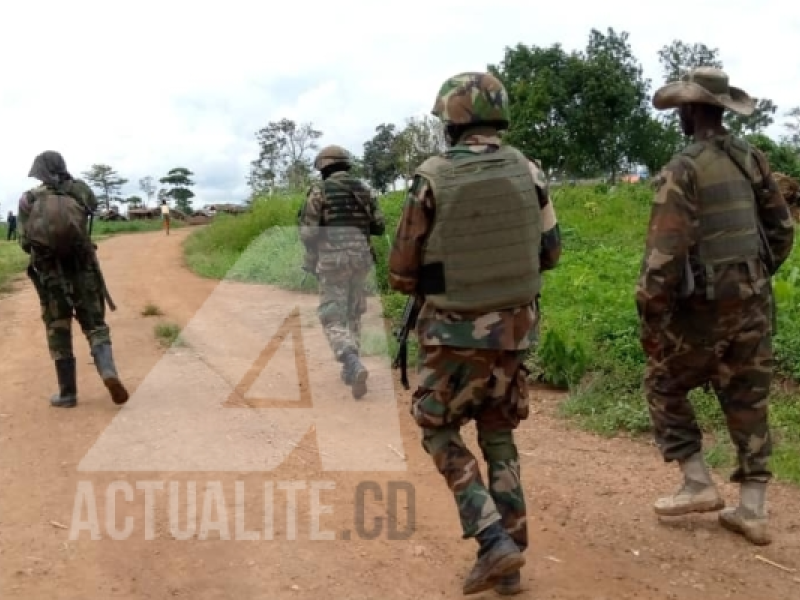
The Democratic Republic of Congo’s Armed Forces (FARDC) have issued a renewed warning against unauthorized use of smartphones by military personnel deployed at the frontlines. The armed forces emphasize that this practice poses a severe threat to both troop safety and mission success.
In a public awareness message released on July 9, acting FARDC spokesperson Lieutenant Colonel Mak Hazukay stressed that an active or carelessly used mobile phone can inadvertently disclose troop positions, making soldiers vulnerable to enemy targeting and potential attacks.
Strict protocols and disciplinary measures
Military personnel are strictly prohibited from sharing sensitive operational details—including positions, movements, missions, troop numbers, or combat footage—via social media, messaging apps, or any other digital platforms. Commanders have instructed soldiers to adhere rigorously to established communication protocols and report any suspicious use of devices or potential information leaks that could compromise operational security.
The FARDC underscored the critical importance of vigilance, discretion, and unwavering focus on duty, warning that a single misused device could endanger an entire unit. This stern reminder follows the circulation of multiple videos in recent days, showing Congolese soldiers voicing complaints about conditions in the Fizi and Mwenga highlands of South Kivu, where they face ongoing threats from AFC/M23 rebels.
This is not the first instance of such behavior. Earlier, when frontlines were closer to Goma, similar videos circulated widely on social media. The army has repeatedly cautioned soldiers against actions that could undermine their fight against the AFC/M23 rebellion.
Context and ongoing challenges
The South Kivu region remains a hotspot of instability, with AFC/M23 rebels continuing to challenge government forces. The renewed smartphone ban reflects broader efforts to tighten operational security and prevent intelligence leaks that could benefit rebel groups. Military leadership is determined to ensure that soldiers remain focused on their mission while minimizing risks associated with modern communication tools.
As the security situation in eastern DRC remains fluid, the FARDC is doubling down on internal discipline and communication safeguards to maintain operational integrity and protect its personnel from evolving threats.
The Democratic Republic of Congo’s Armed Forces (FARDC) have issued a renewed warning against unauthorized use of smartphones by military personnel deployed at the frontlines. The armed forces emphasize that this practice poses a severe threat to both troop safety and mission success.
In a public awareness message released on July 9, acting FARDC spokesperson Lieutenant Colonel Mak Hazukay stressed that an active or carelessly used mobile phone can inadvertently disclose troop positions, making soldiers vulnerable to enemy targeting and potential attacks.
Military personnel are strictly prohibited from sharing sensitive operational details—including positions, movements, missions, troop numbers, or combat footage—via social media, messaging apps, or any other digital platforms. Commanders have instructed soldiers to adhere rigorously to established communication protocols and report any suspicious use of devices or potential information leaks that could compromise operational security.
The FARDC underscored the critical importance of vigilance, discretion, and unwavering focus on duty, warning that a single misused device could endanger an entire unit. This stern reminder follows the circulation of multiple videos in recent days, showing Congolese soldiers voicing complaints about conditions in the Fizi and Mwenga highlands of South Kivu, where they face ongoing threats from AFC/M23 rebels.
This is not the first instance of such behavior. Earlier, when frontlines were closer to Goma, similar videos circulated widely on social media. The army has repeatedly cautioned soldiers against actions that could undermine their fight against the AFC/M23 rebellion.
Reporting by Josué Mutanava from Goma

Related Articles