DRC military tightens smartphone restrictions at the frontline to counter security threats
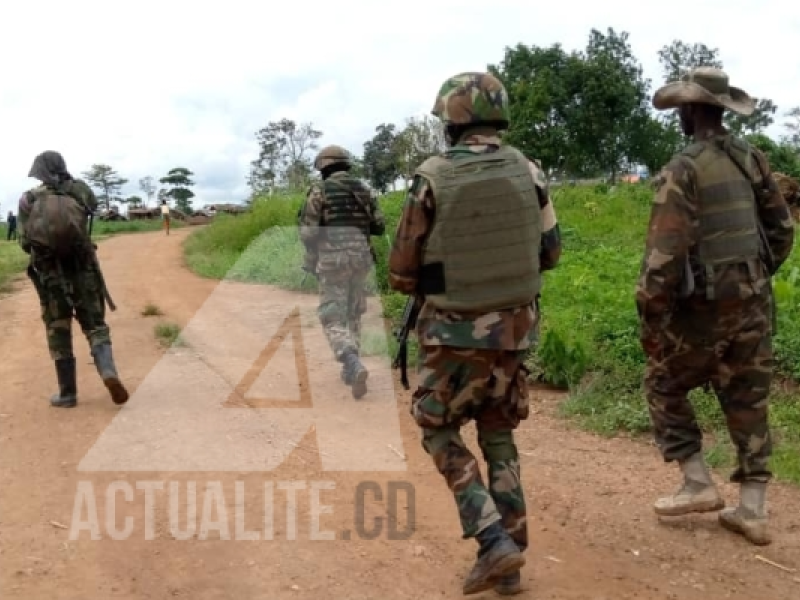
The Democratic Republic of Congo’s armed forces have issued a fresh directive prohibiting unauthorized smartphone use by soldiers deployed in combat zones, citing severe risks to operational security and troop safety.
Lieutenant-Colonel Mak Hazukay, acting spokesperson for the Forces Armées de la République Démocratique du Congo (FARDC), emphasized in a July 9 statement that even brief smartphone activity can expose military positions to enemy detection. The directive follows recent incidents where soldiers in South Kivu‘s Fizi and Mwenga highlands allegedly shared sensitive information online.
Critical security measures to prevent intelligence leaks
The military’s stern warning comes as rebel groups like the Allied Democratic Forces (ADF) and M23 intensify operations in eastern DRC. Authorities highlight that:
- Smartphone GPS and signal emissions can reveal troop movements and positions
- Unauthorized posts or messages may disclose operational plans and unit compositions
- Any violation could compromise entire military operations and endanger soldiers’ lives
Commanders have instructed troops to:
- Avoid all non-essential smartphone use in combat zones
- Never share real-time locations, movements, or mission details
- Refrain from posting images or videos of military activities
- Immediately report any suspicious communication attempts
Historical context and ongoing challenges
This isn’t the first time the FARDC has addressed this issue. Similar warnings were issued during previous offensives near Goma when videos surfaced showing soldiers complaining about conditions. The current directive represents the military’s latest effort to maintain discipline amid persistent rebel threats.
The renewed smartphone restriction reflects broader concerns about:
- Cybersecurity vulnerabilities in military communications
- Potential insider threats from compromised devices
- The need for absolute secrecy in counter-insurgency operations
Military analysts note that while the ban aims to prevent intelligence leaks, its effectiveness will depend on strict enforcement and soldiers’ discipline in high-pressure combat environments.