The political wing of the armed group AFC/M23 has sharply criticized the international community’s silence regarding the escalating conflict in eastern Democratic Republic of the Congo (DRC), describing it as complicity in what it calls Kinshasa’s deliberate undermining of peace efforts.
Escalating tensions and diplomatic deadlock
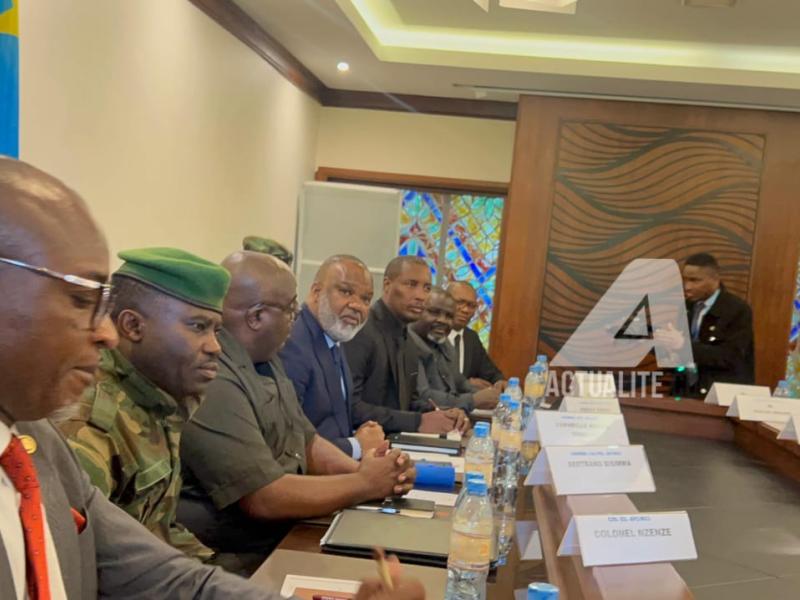
During a press briefing in Goma, North Kivu, on June 18, 2026, AFC/M23’s Political Coordinator Corneille Nangaa condemned President Félix Tshisekedi’s recent bellicose rhetoric in Houston, where he declared the imminent reconquest of territories held by the movement. Nangaa argued that such statements not only fuel tensions but also contradict ongoing diplomatic initiatives, including the Doha peace talks and Washington agreements, which aim to de-escalate the crisis.
International inaction amid growing violence
Nangaa expressed outrage at what he termed the inaction of peace mediators and international partners, accusing them of enabling Kinshasa’s military escalation. According to the movement’s leader, the international community possesses detailed reports of civilian casualties and human rights violations committed by government forces but has failed to intervene meaningfully.
“The deafening silence of mediation actors and peace process partners borders on complicity,” Nangaa declared. “While we see mass civilian casualties and war crimes unfolding, these actors remain idle, despite their knowledge of the ground realities in the DRC’s eastern provinces and the Minembwe Highlands.”
Broken promises and failed trust-building measures
The AFC/M23 leader highlighted the contradictions between diplomatic commitments and military actions. He pointed to the movement’s release of hundreds of prisoners as a goodwill gesture, which he said has not been reciprocated by Kinshasa. Instead, the government continues to deploy additional troops and launch offensives, undermining peace efforts.
“Military reinforcements and new troop deployments send a clear message: Kinshasa is not serious about peace,” Nangaa asserted. “Every life in eastern DRC deserves the same protection as those in Kinshasa, but our pleas fall on deaf ears.”
Humanitarian crisis deepens
The conflict has triggered a severe humanitarian crisis, with thousands displaced and civilian infrastructure repeatedly targeted. Nangaa criticized the international community for treating the crisis as a peripheral issue, emphasizing that the suffering of eastern Congolese is just as critical as any other in the country.
The AFC/M23’s accusations come at a time when diplomatic efforts have yet to yield tangible results. Despite multiple peace agreements, hostilities persist, and the civilian toll continues to rise. The movement has called on regional and international actors to pressure Kinshasa into honoring its commitments and halting military operations.
What’s next for eastern DRC?
The standoff between Kinshasa and the AFC/M23 reflects deeper regional tensions and the challenges of implementing peace agreements in conflict zones. With no immediate signs of de-escalation, the crisis risks further destabilization, raising concerns about the future of eastern DRC and its population.
The international community’s role remains pivotal. Will mediators take a firmer stance, or will Kinshasa’s military approach continue unchecked? The answers will shape the trajectory of one of Africa’s most protracted conflicts.