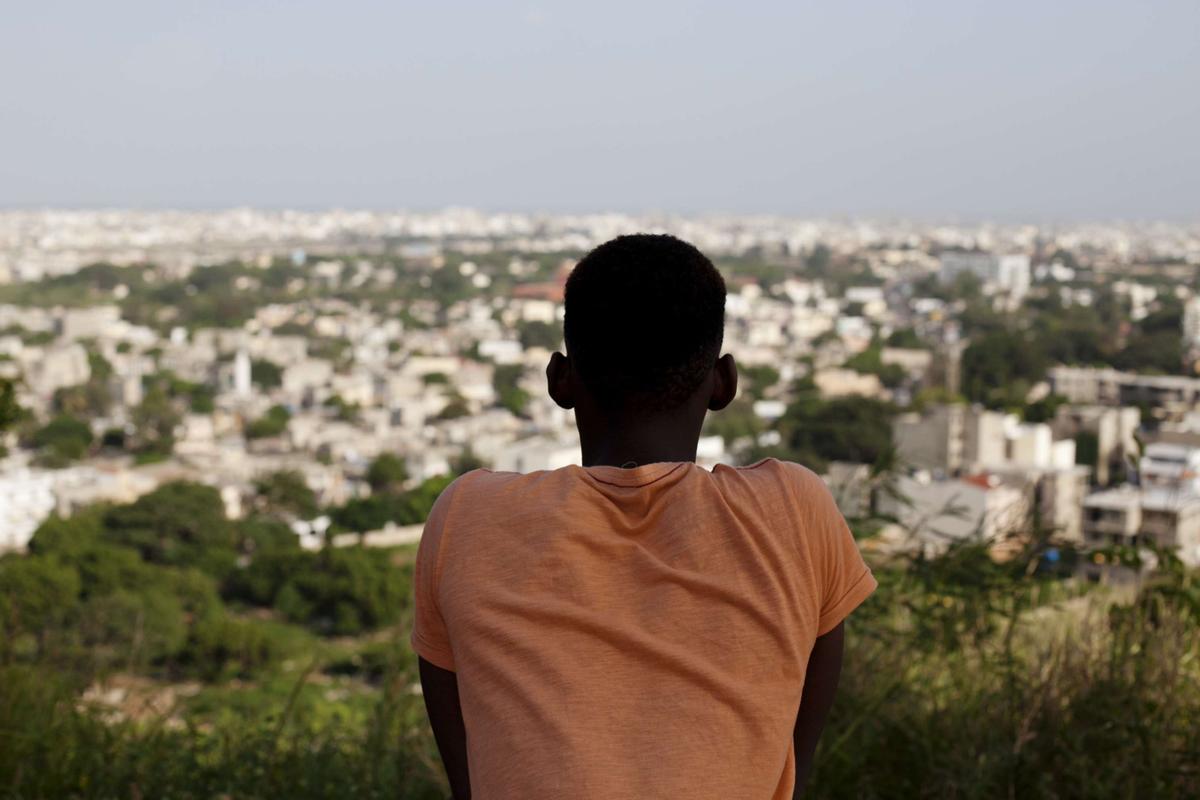
Behind closed doors: Senegal’s LGBTQ+ community forced into exile after law changes
Isolation, fear of arrest, and family rejection are driving a surge in desperate pleas for help. Since the Senegalese government doubled penalties for same-sex relationships in March, calls for escape to France have multiplied.

A name change won’t erase the fear. Chérif* arrived in France in early June, carrying one unshakable truth: he could no longer stay in Senegal. «They were going to arrest me,» he admitted. For weeks after an acquaintance was detained, every shadow carried danger. «As soon as I read about it in the news, all I could think about was leaving.» The arrest had political weight—his contact was linked to Ousmane Sonko, Senegal’s former Prime Minister and now National Assembly President, who championed the law that doubled prison sentences for same-sex relationships from five to ten years, enacted last March. Local media had already reported on raids targeting suspected partners. «I knew police would search his phone and find messages implicating me,» Chérif recalled. «I deleted every trace—messages, photos, anything that could expose my hidden life.»
Senegal’s climate has turned suffocating. In homes, on streets, and across television and social media, «everyone now speaks of homosexuals» in tones of condemnation, with hate speech spreading unchecked. «They corrupt the youth, they undermine our values—» the rhetoric has intensified since the law passed. For those like Chérif, staying meant living in constant fear of exposure.
the human toll behind the headlines
Calls for help have surged since March. Organizations like Stop Homophobie, SOS Homophobie, and Le Refuge have reported a sharp rise in distress signals from Senegalese LGBTQ+ individuals desperate to escape. For many, France represents the only viable path to safety. The journey is fraught with uncertainty—legal status, housing, and acceptance are never guaranteed—but the alternative is far worse.
Chérif’s story is not unique. Others describe similar patterns: sudden arrests, forced confessions under pressure, and families disowning members after discovery. The law has emboldened vigilante attitudes, with neighbors, colleagues, and even strangers reporting suspected individuals to authorities. «You can’t trust anyone,» one source shared. «Your own reflection in a window could be the last thing you see before police sirens arrive.»
a life in hiding, a future in exile
Before the law change, life was difficult but manageable for some. Police tolerated discreet relationships as long as they remained private. Now, even whispers can lead to detention. LGBTQ+ individuals describe a society where solidarity has collapsed, replaced by suspicion and fear. Support networks, once fragile, have been shattered by the threat of legal consequences for those who dare to help.
For those who remain in Senegal, daily life is a series of calculated risks. Public displays of affection are out of the question. Even private gatherings are monitored. «We meet in code,» one resident explained. «A knock at the door could mean the end of everything.» The psychological toll is immense—paranoia, insomnia, and depression are common. Many describe feeling like prisoners in their own country.
the road ahead: seeking sanctuary beyond borders
As Senegal’s LGBTQ+ community faces an increasingly hostile environment, France has become a beacon of hope. While the path to asylum is complex and often slow, the alternative—staying—is no longer an option for many. The surge in escape attempts reflects a desperate search for dignity, safety, and the chance to live openly. For now, the journey begins with a single step: fleeing into the unknown, hoping for a future where they can finally breathe freely.