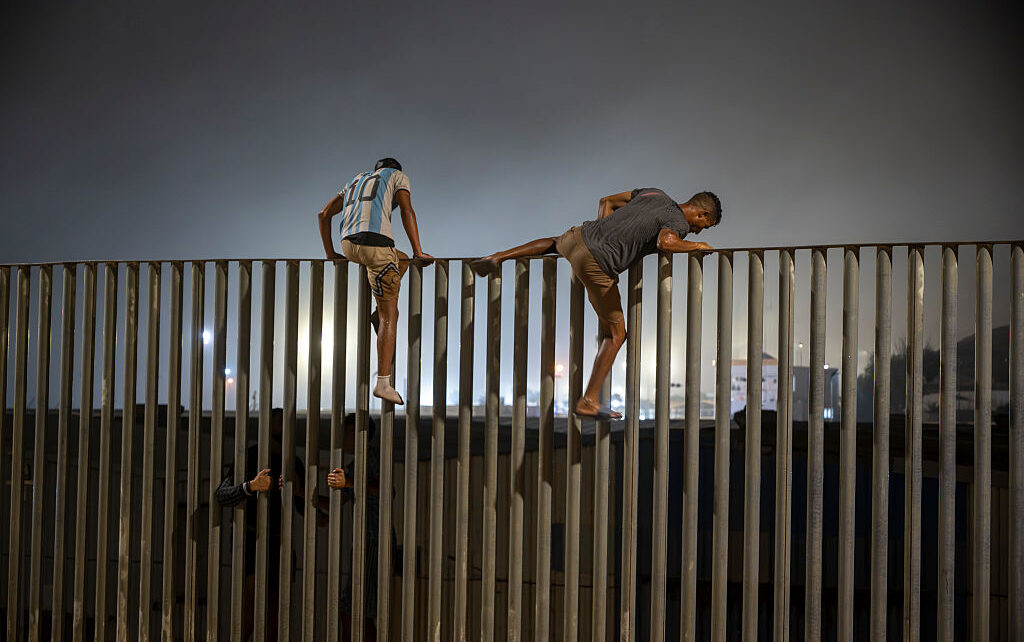
Madrid has urged European allies to refrain from publicly criticizing Morocco following the unprecedented influx of migrants into Ceuta, a Spanish enclave on the North African coast. The appeal, made during an emergency online meeting of EU interior ministers, underscores the delicate balance Brussels seeks to maintain with Rabat, a crucial partner in managing irregular migration flows toward Europe.
With over 72,000 individuals crossing from Morocco into Ceuta in a short span, questions arose about the sudden relaxation of border controls. Yet Spanish officials, including Interior Minister Fernando Grande-Marlaska, avoided assigning blame during a press briefing, stating, “There is not necessarily anyone to blame.”
Migratory pressure meets geopolitical signals
Western diplomatic sources suggest Morocco may have tacitly permitted the surge as a political signal to Spain. The move coincides with broader tensions in bilateral relations, particularly regarding migration management and territorial disputes. Meanwhile, unverified claims circulating online—including false reports of a Spanish Supreme Court ruling restricting immediate migrant returns—further fueled the crisis.
Analysts and media reports questioned how such a large-scale crossing could occur without at least a temporary easing of Morocco’s typically stringent border enforcement. European Commission President Ursula von der Leyen reiterated the bloc’s stance that migrants should not be used as political leverage, though she stopped short of naming Morocco. She hinted at potential financial incentives to strengthen EU-Morocco cooperation.
EU’s response pivots to disinformation campaigns
Rather than confronting its North African partner, the EU’s reaction has centered on combating misinformation and the role of smuggling networks. This approach aligns with Morocco’s narrative, as its Interior Ministry spokesperson Rachid Khalfi attributed the perceived ease of entry to “the exploitation of digital space,” which allegedly misled potential migrants about legal consequences.
Brussels is now investigating whether coordinated disinformation campaigns—potentially linked to Russian actors—exploited the crisis to undermine European stability. Europol, the EU’s law enforcement agency, has launched inquiries into possible false narratives surrounding the border events. Frontex, the European Border and Coast Guard Agency, is also considering expanded powers to monitor social media disinformation in future revisions of its mandate.
While no definitive evidence has emerged of a premeditated disinformation campaign, EU ambassadors and migration officials emphasized the need for improved intelligence-sharing to counter such threats. The European External Action Service is examining whether external actors sought to weaponize the situation on social platforms for political ends.