
French mayor condemns Senegal’s anti-lgbtq+ laws amid global scrutiny
A high-profile statement by Ariel Weil, Mayor of Paris Centre, has reignited debates over LGBTQ+ rights in Senegal, highlighting tensions between human rights advocacy and national sovereignty. His op-ed, published during International Day Against Homophobia, targets Senegal’s evolving legal framework and the climate of repression faced by sexual minorities.
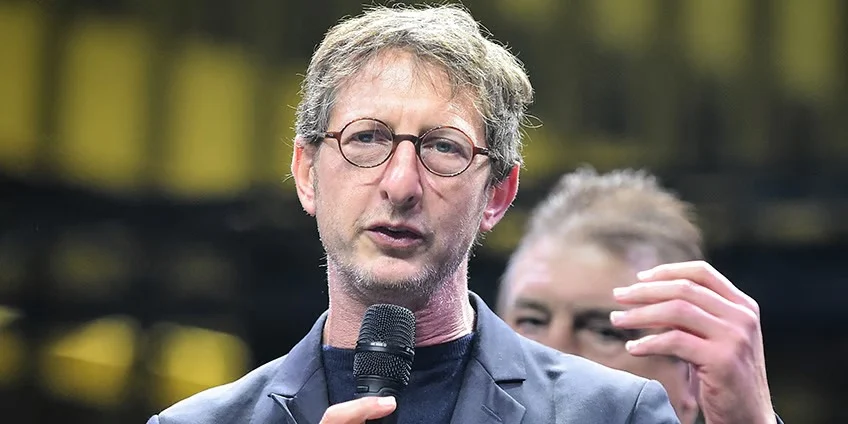
Tensions between human rights and state sovereignty
Ariel Weil’s op-ed, published in a leading LGBTQ+ magazine to coincide with International Day Against Homophobia, sharply criticizes the legal and social climate in Senegal. The mayor describes the situation as a systematic campaign of intimidation against sexual minorities, using terms like « witch hunt » to emphasize the severity of the crackdown.
The statement comes at a time when Senegal has intensified its legal stance on homosexuality. In March 2026, the National Assembly passed legislation expanding criminal penalties for same-sex relations, increasing prison sentences from five to ten years. The bill also introduces penalties for promoting or financing such relations, later signed into law by the President.
Weil argues that these measures go beyond cultural or moral debates, constituting a violation of Senegal’s international human rights commitments. He urges the country’s global partners to take a stand, warning that silence would be interpreted as tacit approval of the repression.
Diplomatic tensions and public backlash
The Mayor’s strong language—including references to a « civilizational regression »—has drawn significant attention and sparked controversy. His direct condemnation of Senegal’s policies diverges from traditional diplomatic caution, raising questions about the appropriate balance between advocacy and state sovereignty.
Critics argue that Weil’s approach risks oversimplifying complex social and legal dynamics, while supporters praise his willingness to challenge oppressive policies. The debate underscores the challenges faced by international actors seeking to promote human rights in contexts where cultural and legal norms are deeply entrenched.