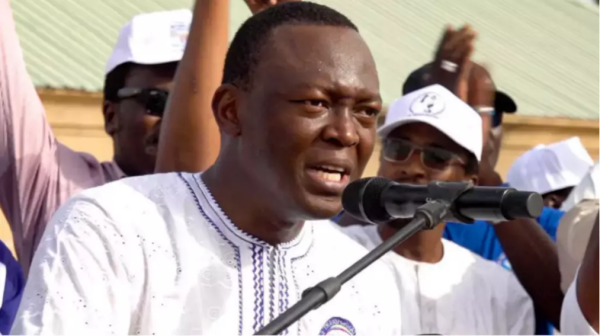
A year has passed since Tchadian opposition leader Succès Masra was confined to a grim detention cell in N’Djaména. His arrest in 2024 led to a 20-year prison sentence, allegedly for inciting intercommunal violence through a 2023 broadcast. As leader of the Transformateurs party, he secured 18% of the vote in the 2024 presidential election, cementing his role as a key political figure despite his incarceration. His sister, Chancelle Masra, now living in France, has become a vocal advocate for his urgent medical needs.
medical neglect behind bars
Chancelle Masra confirms her brother remains trapped in a cramped, windowless room within a military-controlled facility in N’Djaména. Since May 16, 2025, he has been denied natural light, dignified living conditions, and proper healthcare. Doctors examining him have identified severe respiratory complications requiring specialized tests unavailable in Tchad. “He is an innocent man suffering from conditions that demand immediate medical attention,” she states. Despite family efforts, access to legal counsel and limited family visits remain tightly controlled through bureaucratic hurdles.
- No communication: All electronic devices, including phones and computers, were confiscated upon his arrest, cutting off all contact with his family, including his daughter and wife.
- Restricted visits: While Chancelle Masra acknowledges progress in securing lawyer access and rare maternal visits, these remain conditional on prior authorization.
- No trial updates: The appeal process against his conviction has stalled, leaving both the family and observers in the dark about any legal recourse.
a political trial built on hollow accusations
Succès Masra’s conviction stems from a controversial 2023 message that authorities claim triggered deadly clashes in southern Tchad’s Logone Occidental region. Yet his legal team and supporters argue the case lacks substantive evidence, testimonies, or credible links between his statements and the violence. Chancelle Masra emphasizes her brother’s lifelong commitment to peaceful dialogue, citing his 2018 party founding, his 2023 peace agreement with the government, and his tenure as Prime Minister—where he donated his entire salary to national development. “Locking up a non-violent leader will not resolve intercommunal tensions,” she asserts.
the transformateurs party remains resilient
Despite recent high-profile defections—such as former vice-president Sitack Yombatina joining the government and Moustapha Masri taking a presidential role—the party’s grassroots network spans the diaspora and continues to grow. Chancelle Masra dismisses these shifts as isolated choices, noting the thousands of “transformateurs” worldwide who have dedicated themselves to rebuilding Tchad. “His vision inspires people to return home and contribute to progress,” she explains.
international calls for justice grow louder
Global institutions and human rights organizations have rallied behind Masra’s cause. Amnesty International and Human Rights Watch have publicly condemned his detention, while diplomatic pressure mounts. Chancelle Masra credits this solidarity with sustaining her brother’s morale and survival in captivity. “Without this international support, his situation would be far more precarious,” she reflects. Yet she stresses that true justice extends beyond her family, calling for broader reforms to uphold freedom of expression across Tchad and Africa.
a chilling precedent for tchadian democracy
The recent eight-year prison sentences handed to eight opposition members of the GCAP coalition for organizing peaceful marches further underscores the deteriorating political climate. Chancelle Masra warns that silencing dissent erodes democracy. “A nation that imprisons peaceful protesters cannot claim to be democratic,” she declares. While Tchadian officials argue that opposition voices exist in parliament, she counters that representation without freedom to act is meaningless.
As diplomatic channels between Tchad and international partners, including France, gradually reopen, Chancelle Masra urges leaders to prioritize human rights alongside security concerns. “No country should abandon its innocent citizens under the guise of counterterrorism,” she concludes. The fate of Succès Masra now hangs in the balance, not just as a personal tragedy, but as a litmus test for justice and democracy in the region.