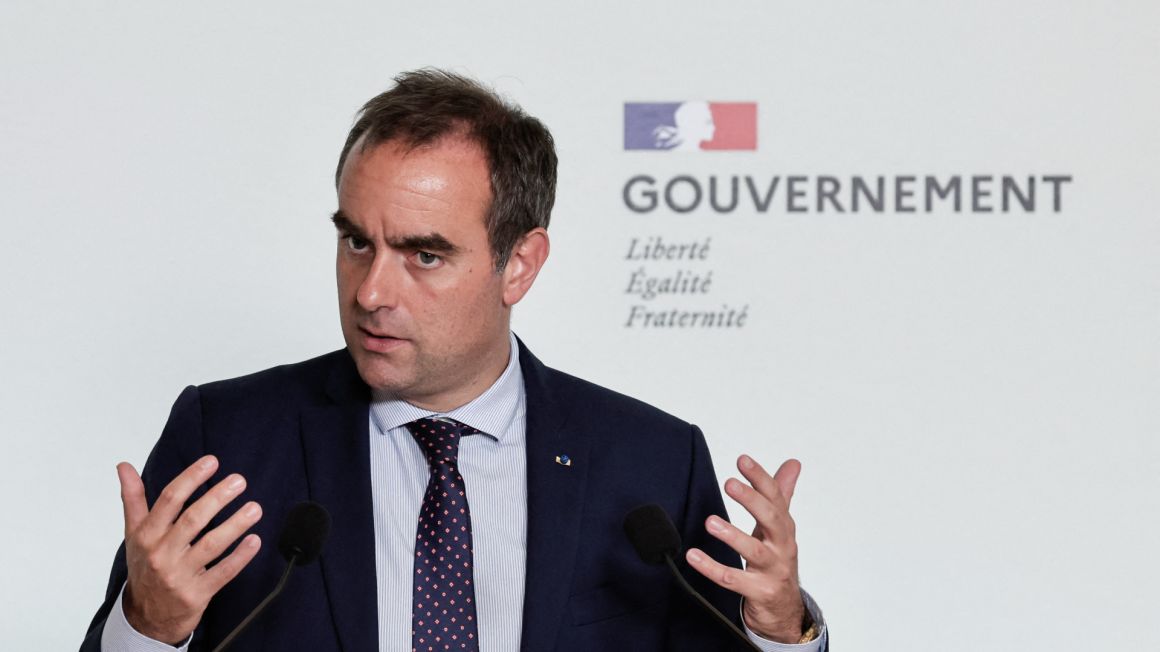
The strengthening of ties between France and Morocco takes a significant step forward this week as Prime Minister Sébastien Lecornu arrives in Rabat for an official two-day visit. The high-level meetings, scheduled for Wednesday and Thursday, underscore the growing momentum in bilateral relations following recent diplomatic breakthroughs.
The agenda includes a series of strategic discussions with Moroccan counterpart Aziz Akhannouch, marking their first formal encounter since 2019. The visit follows France’s formal recognition of Morocco’s sovereignty over Western Sahara in mid-2024, a pivotal move that reshaped regional dynamics and eased prolonged tensions between Paris and Rabat.
Lecornu, who assumed office in late 2025, embarks on his first overseas trip since taking the helm, accompanied by key cabinet members including Foreign Minister Jean-Noël Barrot and Interior Minister Laurent Nuñez. The delegation’s arrival will be commemorated with a ceremonial welcome, followed by a solemn wreath-laying at the royal mausoleum and a structured bilateral dialogue.
Key agreements and strategic partnerships on the horizon
A central focus of the visit will be the anticipated signing of multiple accords, spanning economic collaboration, security cooperation, migration management, and defense initiatives. These agreements aim to cement a more resilient and forward-looking partnership between the two nations.
Discussions will also center on practical matters, including the potential extradition of Franco-Moroccan national Ismael Benahmed, who faces serious charges in France and was recently detained in Morocco. Interior ministers from both countries are expected to address this case during bilateral talks.
New investments and a historic summit in the making
The visit reflects a broader trend of deepening economic ties, with French investors poised to expand their presence in Morocco. Beyond immediate policy outcomes, signals point toward a historic state visit by King Mohammed VI to France, potentially culminating in a landmark treaty formalizing a new era of ‘exceptional’ bilateral relations. While the exact date remains unconfirmed, diplomatic sources have confirmed the framework for such an agreement was established in late May.