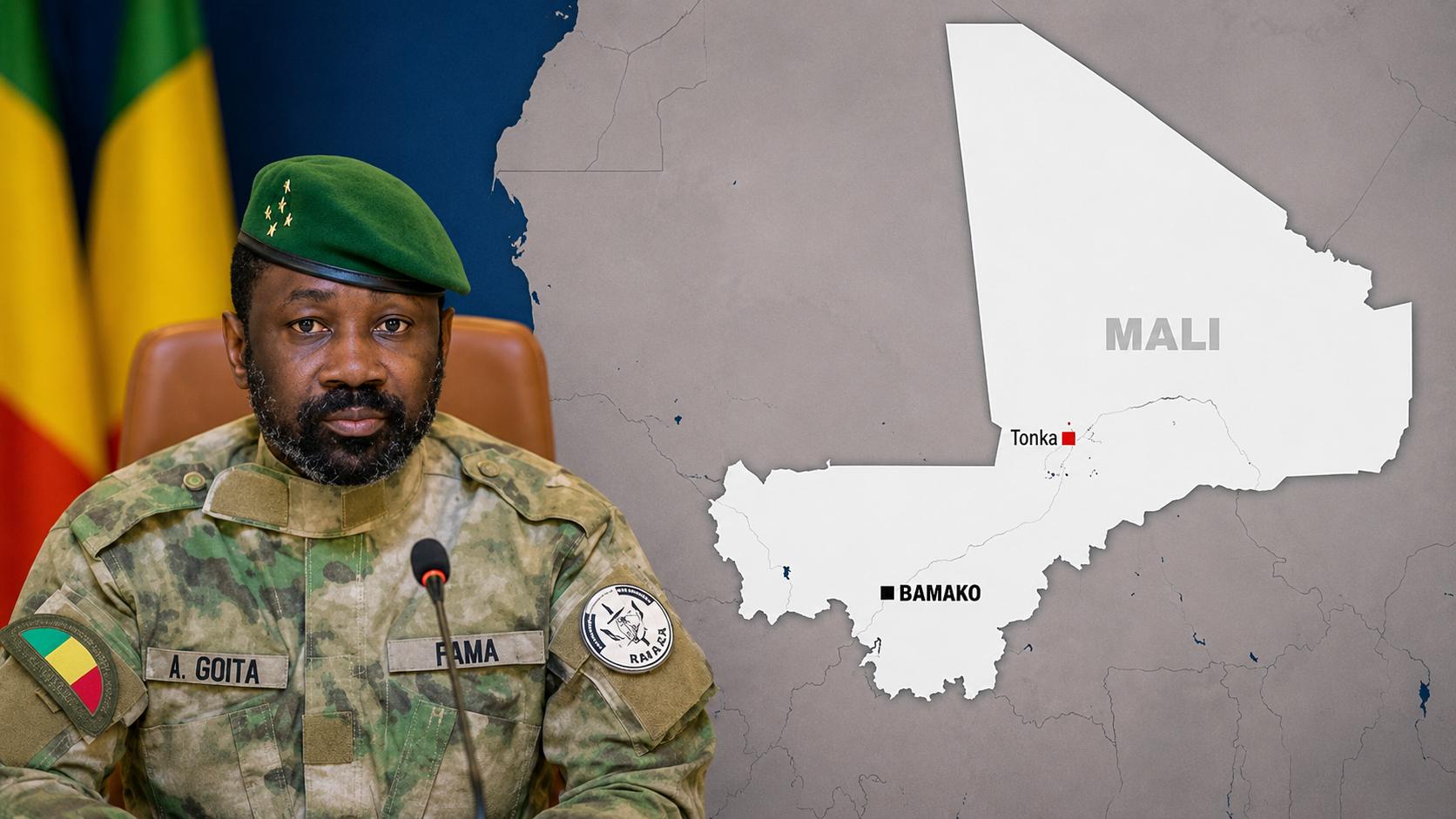
The Mali has once again been struck by violence, as a fresh attack attributed to the Group for the Support of Islam and Muslims (JNIM) has left civilians dead and displaced dozens more. The assault, which targeted a remote village, underscores the persistent security challenges gripping the nation, despite ongoing military efforts.
Armed militants continue to exploit weaknesses in border regions, launching strikes far from major urban centers. This latest incident highlights the daunting task facing authorities in securing every corner of the country, as insurgents adapt their tactics to exploit gaps in defense.
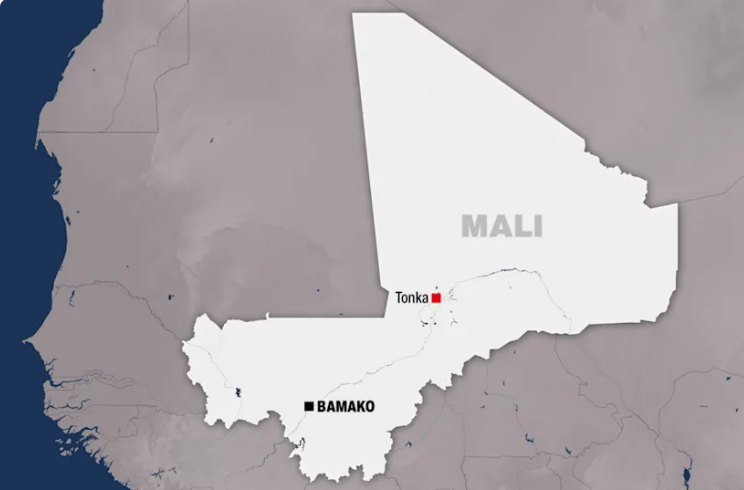
Assassination of influencer Mariam Cissé exposes broader threats
The killing of Mariam Cissé, a prominent Malian blogger and social media activist, has sent shockwaves through the nation. Known for her vocal support of the national armed forces, she was allegedly abducted and executed by jihadist fighters. While the attack targeted a civilian voice, it reflects a calculated strategy by extremist groups to silence dissent and instill fear beyond the battlefield.
This pattern of targeted violence—stretching from rural communities to urban influencers—reveals a disturbing evolution in the insurgency’s approach. No longer confined to military engagements, the threat now seeks to destabilize society by targeting those who challenge its ideology.
Military efforts alone fall short against deep-rooted instability
Since seizing power, the Malian government has prioritized military expansion, acquiring advanced weaponry, deepening security partnerships, and intensifying field operations. While these measures are crucial for protecting civilians and reclaiming territory, they do little to address the root causes of radicalization.
Experts argue that sustainable peace requires more than firepower. Weak education systems, rampant youth unemployment, and economic despair create fertile ground for extremist recruitment. Strengthening schools, creating job opportunities, and fostering inclusive governance could weaken the appeal of armed groups over the long term.
A balanced strategy needed for lasting stability
The government faces a dual challenge: sustaining military pressure on insurgents while investing in policies that restore hope among the population. A multi-pronged approach—combining defense, education, economic development, and trust-building—may offer the most viable path forward in a crisis that has already stretched for over a decade.
The latest attacks and targeted killings paint a grim picture: the threat is no longer just on the battlefield but in every corner of society. For observers, Mali’s future hinges not only on its ability to defeat armed groups militarily but also on its capacity to rebuild institutions, restore public confidence, and provide young people with meaningful alternatives rooted in opportunity and participation.