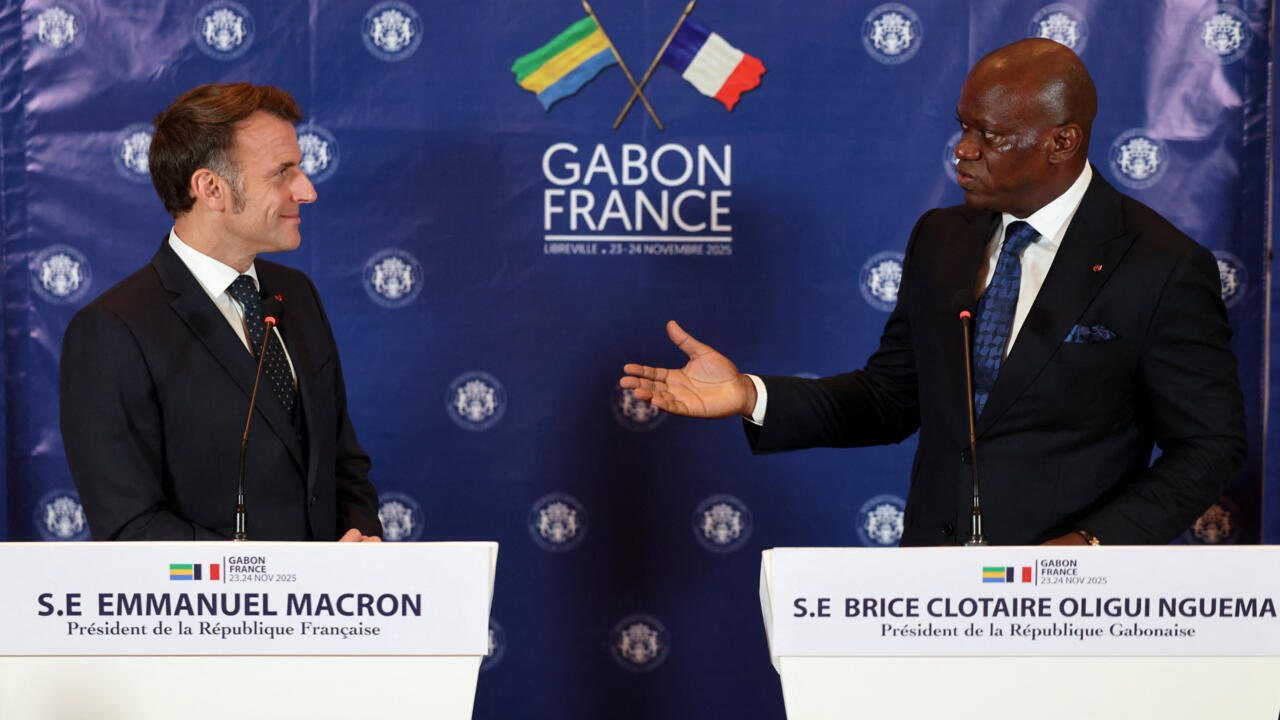
Bergès Mietté: « Gabon maintains strong ties with France despite shifting African alliances »
Gabon’s President Brice Clotaire Oligui Nguema arrives in Paris today for a state visit amid growing scrutiny of Africa-France relations. As a small but resource-rich nation in Central Africa, Gabon stands out for its enduring partnership with France, defying broader calls across the continent for a reset in ties. Bergès Mietté, a political science lecturer at Libreville’s international university, examines why Gabon remains an exception in this evolving diplomatic landscape.
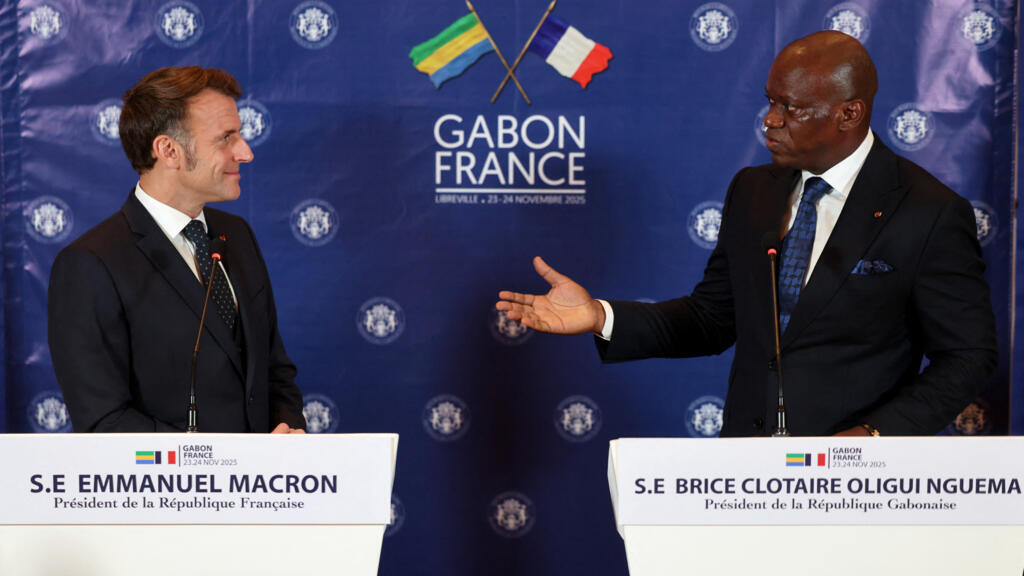
Gabon’s strategic partnership with France has weathered regional shifts in cooperation, marking it as an outlier in Africa’s evolving diplomatic map. Despite widespread discussions about redefining Africa-France relations, Gabon continues to prioritize its historic ties with Paris. This continuity is particularly notable given the country’s rich natural resources and evolving political landscape.
Bergès Mietté, a political science professor at the International University of Libreville, highlights Gabon’s unique position. “Gabon’s relationship with France is not just about continuity – it reflects deliberate choices,” he explains. “While other African nations reassess their partnerships, Gabon has maintained a consistent approach that aligns with its national interests.”
What makes Gabon’s ties with France so resilient?
Gabon’s relationship with France is rooted in decades of economic, political, and cultural cooperation. As a former French colony, Gabon inherited deep institutional and linguistic ties, which have evolved into a modern partnership. The country’s oil reserves and mineral wealth have further cemented its importance to France, particularly in energy and strategic sectors.
Key factors behind this enduring alliance
- Economic interdependence: France remains Gabon’s top trading partner, particularly in energy, mining, and infrastructure. French companies continue to play a dominant role in Gabon’s economy.
- Political alignment: Gabon’s leadership has consistently aligned with French interests on regional and international issues, including security cooperation in the Sahel.
- Cultural and educational ties: French remains the official language, and Gabon’s education system is deeply influenced by French institutions.
- Strategic security partnerships: Gabon hosts French military facilities and participates in regional security initiatives led by Paris.
Mietté notes that Gabon’s approach is pragmatic. “The government recognizes that while other African nations are diversifying partnerships, Gabon’s stability and development depend on maintaining strong ties with France.” This strategy has allowed Gabon to attract French investment while navigating broader geopolitical shifts.
A model for Africa or an exception?
Gabon’s steadfast partnership with France raises questions about its long-term viability as Africa’s diplomatic landscape transforms. While other nations are exploring new alliances with emerging powers like China and Turkey, Gabon’s leadership has chosen continuity over change.
Critics argue that Gabon’s approach may limit its ability to diversify its partnerships. However, supporters contend that the country’s strategic location and resources make it a valuable partner for France, ensuring its continued relevance in Paris’s Africa policy.
As President Oligui Nguema’s visit to Paris unfolds, all eyes will be on whether Gabon’s partnership with France can adapt to new realities while maintaining its core strengths. For now, Gabon remains a unique case study in Africa-France relations – a nation that has charted its own course in a rapidly changing world.