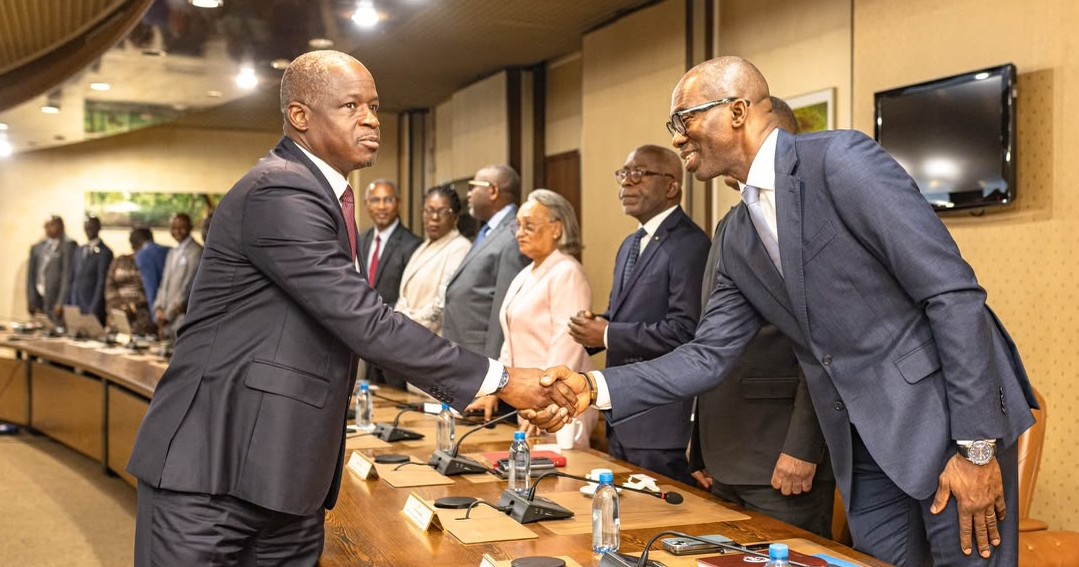
Libreville is hosting a critical phase in the preparation of Gabon’s 2027 budget, as the government initiates budget conferences focused on revenue and expenditure. This move follows an official announcement confirming the launch of these pivotal discussions.
Structured into two distinct phases as outlined in a 2026 government directive, the first round—targeting ministerial inputs—runs from July 14 to 17. The second phase, a technical assessment, takes place from July 20 to 24 within sectoral ministries.
The technical discussions will bring together program managers from various ministries, state operators, and officials from the Budget Directorate and the General Commissariat for Planning and Development. Key objectives include validating revenue forecasts, assessing expenditure sustainability, and identifying public administration financing needs.
These conferences are designed to ensure the upcoming budget is transparent, grounded in reality, and financially viable. They align with the government’s push to boost public revenue collection while improving expenditure efficiency.
This initiative is part of a broader strategic framework, integrating the National Growth and Development Plan (2026-2030), insights from the June 27 budget orientation debate, and parliamentary discussions on the 2026 revised finance law. Additionally, these efforts reflect commitments made during the January 2026 CEMAC extraordinary heads-of-state conference in Brazzaville.
The deliberations will also prioritize the policy directions outlined by Gabon’s President Brice Clotaire Oligui Nguema, particularly those highlighted in his June 15, 2026, State of the Nation address.
2026 budget adjustments and priorities
The 2026 state budget was revised downward in a supplementary finance law, totaling 5.4952 trillion CFA francs—a reduction of 862.9 billion CFA francs from initial projections. This adjustment came amid economic constraints and a drive to streamline public spending.
The revised budget emphasizes continued infrastructure investments, strengthened social policies, and fiscal consolidation, all within a context of economic and institutional transition.
The Minister of Economy, Thierry Minko, spearheading the budget conferences, has underscored the need for proposals to align with the 2027-2029 macroeconomic and budgetary framework while supporting national priorities.