Gabon stands firm against Trump’s migrant relocation plan
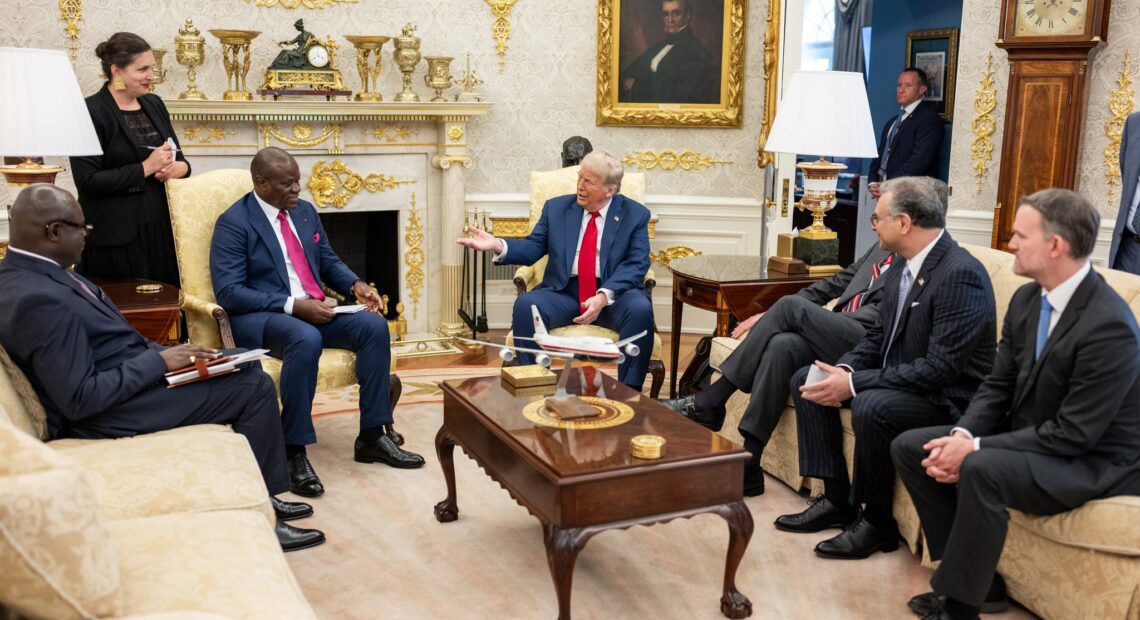
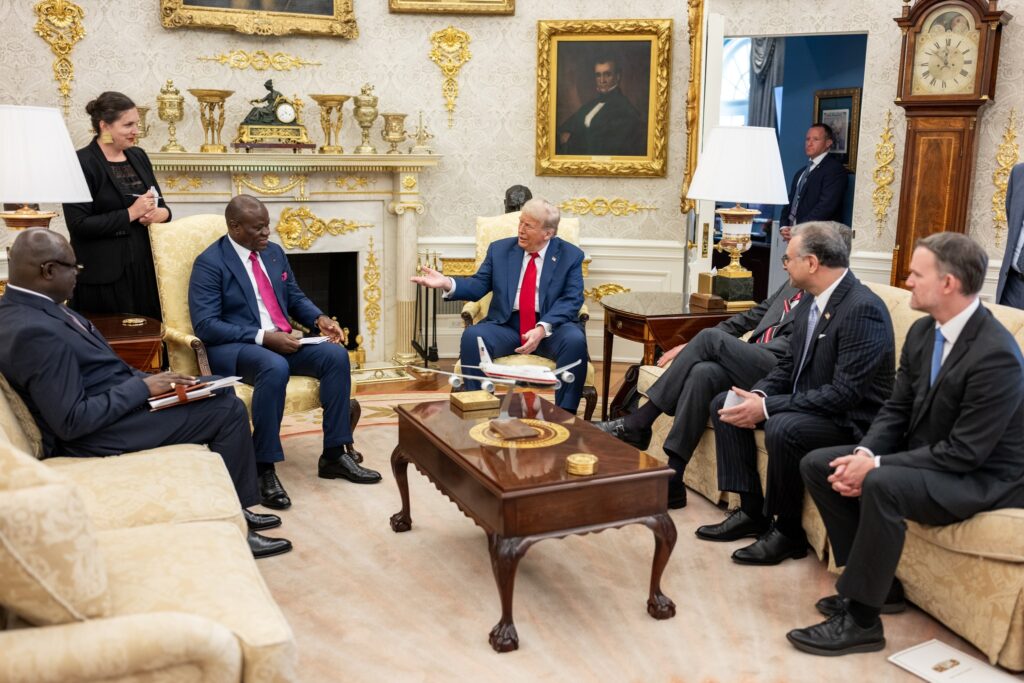
Libreville, June 4, 2026 — Gabon has taken a firm stance by rejecting a proposal from the United States to accept migrants facing deportation under Washington’s tightened immigration policies. President Brice Clotaire Oligui Nguema made the decision clear, emphasizing the country’s commitment to national sovereignty over external pressures.
The Gabonese leader’s refusal, communicated during an international broadcast, underscores a broader diplomatic strategy aimed at balancing global partnerships with the protection of local interests. While Washington sought potential destinations for deported individuals, Libreville stood its ground, asserting that such an arrangement would not align with Gabon’s priorities.
« We did not reach an agreement on this matter. I did not accept their proposal, and I am being transparent about it. Gabon will not sign a deal that doesn’t serve our interests. The message is unambiguous, » President Oligui Nguema stated.
Global migration challenges
The issue of migrant relocation has emerged as a pressing global concern, with Western nations increasingly seeking third-party countries to absorb deportees. The United Kingdom’s recent agreements with Rwanda exemplify this trend, while other African and Latin American nations have also been approached for similar arrangements.
Gabon’s refusal, however, carries unique significance. Far from signaling a diplomatic rift, the decision reflects a growing trend among African states to assert control over their migration policies. The Gabonese government has repeatedly stressed that while cooperation with global partners remains vital, national interests will always take precedence.
Sovereignty as a guiding principle
This decision aligns with Gabon’s broader push for economic and political independence. Recent moves, including renegotiating mining contracts and reclaiming military bases, demonstrate Libreville’s determination to prioritize domestic needs over external demands. The rejection of migrant transfers is a symbolic yet critical step in this direction.
Public sentiment in Gabon and across Africa largely supports this stance. Many view the continent as an inappropriate venue for resolving the migration challenges of distant nations. Accepting deportees would have placed an undue burden on Gabon’s administrative, social, and financial systems, particularly as the country pursues ambitious modernization programs.
A balanced diplomatic approach
The Gabonese president’s response highlights a sophisticated diplomatic balancing act. By publicly refusing the U.S. proposal while maintaining a respectful tone toward Washington, Oligui Nguema demonstrated that sovereign nations can reject unfavorable terms without escalating tensions. This approach contrasts sharply with the confrontational stances often seen in other regions.
For international observers, Gabon’s decision signals a shift in Africa’s relationship with global powers. While partnerships remain essential, African states are increasingly asserting their right to negotiate on equal footing. The message from Libreville is clear: Gabon is open to collaboration but will not compromise its autonomy in the process.
As the world grapples with fragmented international relations, Gabon’s firm stance on migration policy may set a precedent for other African nations. The coming years could see a growing number of states adopting similar positions, prioritizing sovereignty while engaging with global partners on their own terms.