
Gabon’s democratic test: when laws meet delays
Libreville, Sunday, June 14, 2026 — With less than two weeks remaining until the deadline for political parties to comply with new legislation, an administrative dispute has reignited debates on the true meaning of democratic credibility. While legal reforms often dominate headlines, their real test lies in how effectively—and fairly—they are enforced.
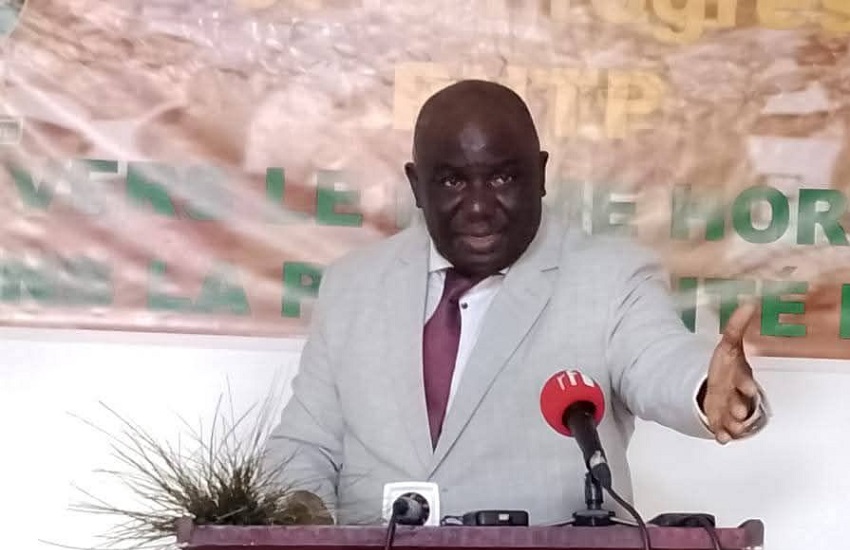
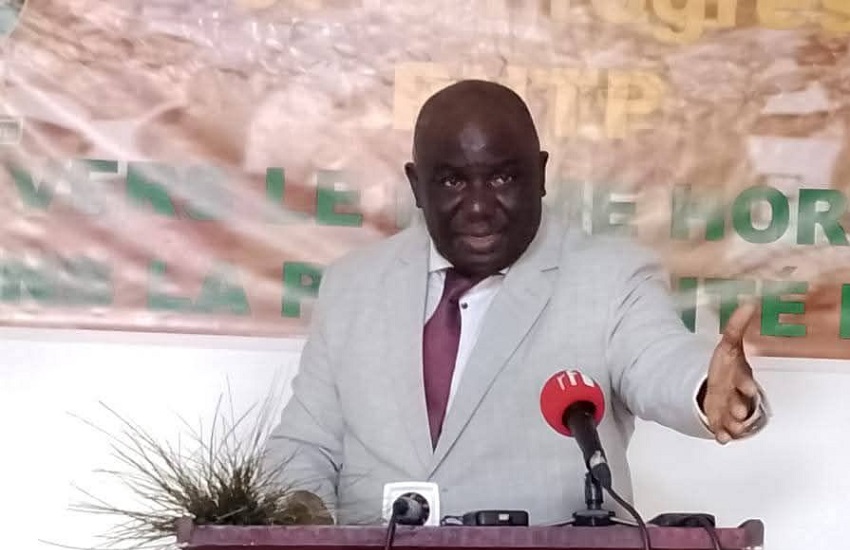
In Gabon, the remarks made by Jean Rémy Yama, leader of the National Party for Work and Progress (PNTP), have thrust the issue back into the spotlight. His complaints about bureaucratic hurdles in obtaining an official receipt for his party’s leadership restructuring have raised questions about the balance between political pluralism and strict legal compliance.
During a press briefing in Libreville, Yama highlighted the prolonged silence from the Interior Ministry. The PNTP submitted its paperwork on December 18, 2025, yet no official response has been issued despite repeated follow-ups over the past months.
The timing of this standoff is critical. It coincides with the enforcement of Law No. 016/2025, enacted on June 27, 2025, to reorganize Gabon’s political landscape. Designed as a cornerstone of democratic reform, the law requires parties to meet stringent criteria—administrative, structural, and legal—by June 27, 2026.
A reform under scrutiny: promises versus practice
For months, Gabonese authorities have championed this overhaul, aiming to strengthen party credibility, enhance internal governance, and curb the proliferation of inactive or non-representative formations. The rationale is clear: modern democracies increasingly demand higher standards for political parties to ensure transparency and accountability.
Yet, as Yama’s case illustrates, the success of such reforms hinges on more than just well-crafted legislation. It demands an administration capable of delivering timely, transparent, and equitable decisions. The PNTP’s grievance centers on the alleged violation of Article 41, which mandates a 15-day response window—a deadline the government has, according to the party, failed to honor.
The burden of bureaucratic delays
The PNTP’s narrative reveals a familiar challenge in governance: the gap between policy and practice. The party claims to have filed multiple requests, contacted election officials, and sought clarifications through various channels, only to be met with silence. Yama has framed this as a deliberate effort to sideline his movement, though the administration has not provided a detailed rebuttal.
Without official clarification, the delay could stem from administrative backlog, procedural complexities, or logistical hurdles—all plausible explanations in a system transitioning to stricter compliance rules. For governance observers, however, the core issue remains transparency. In a state governed by law, decisions must not only be made but also communicated promptly and with justification.
Beyond a single party: a test for Gabon’s institutions
This dispute is no longer just about the PNTP. It reflects broader concerns about Gabon’s ability to implement its political reforms without breeding distrust. With the June 27, 2026 deadline looming, dozens of parties are racing to meet the new requirements. Any perception of uneven treatment or unjustified delays risks undermining public confidence in the reform process itself.
The government’s push for stronger, more credible parties aligns with global democratic trends. But credibility cannot be legislated—it must be demonstrated through action. The administration’s responsiveness will determine whether these reforms are seen as a genuine step forward or merely a bureaucratic exercise.
As Jean Rémy Yama’s case shows, Gabon’s democratic journey is at a crossroads. The laws are in place; the question now is whether the institutions tasked with enforcing them can rise to the challenge. That answer will shape not just the fate of one political party, but the trust voters place in their democracy.