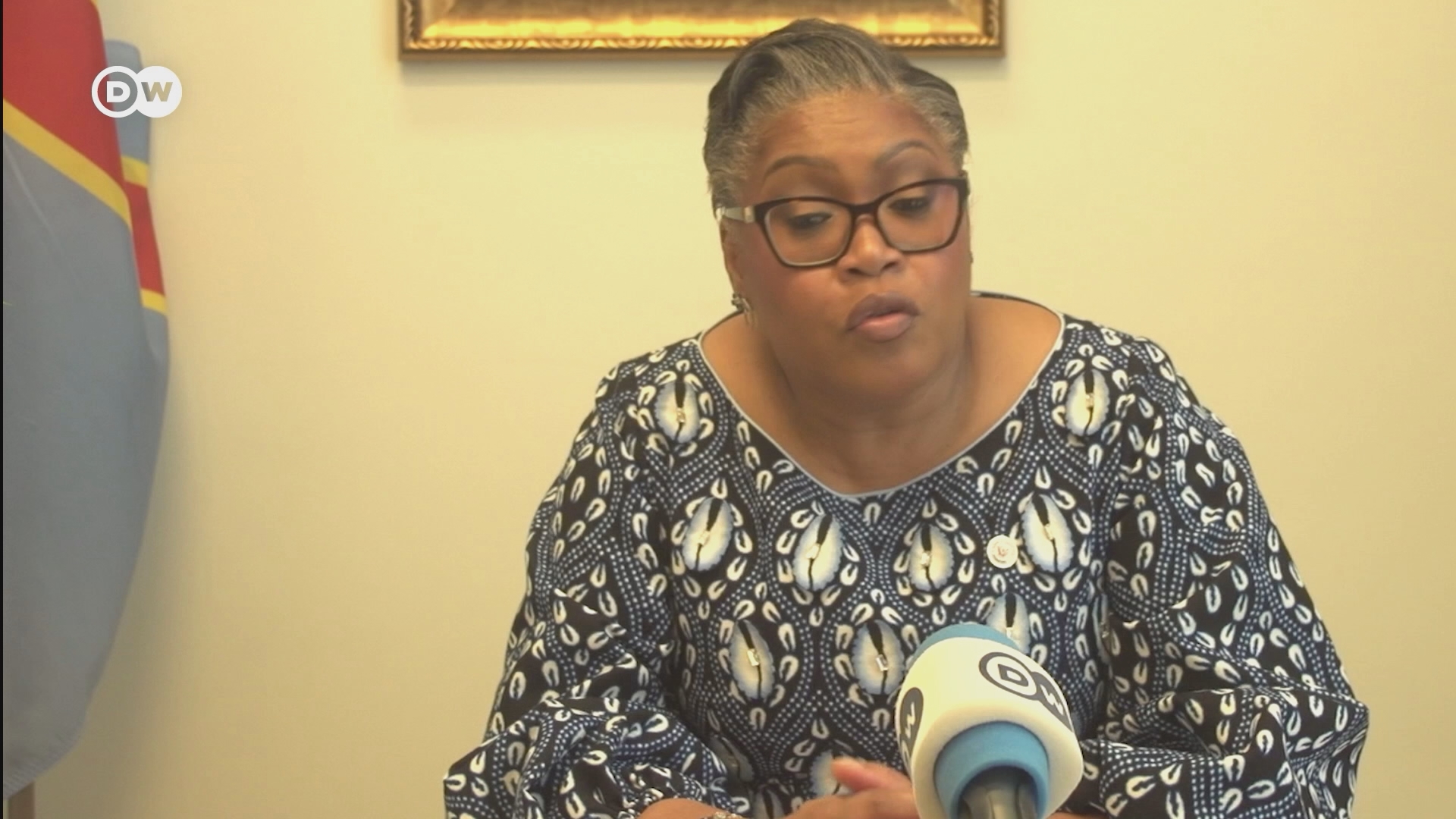
The Democratic Republic of the Congo’s Prime Minister, Judith Suminwa, used her platform at the United Nations Security Council’s rotating presidency in New York to spotlight critical justice and security priorities for her nation. During her address, she emphasized three pillars: the urgent protection of civilians, the eradication of sexual violence as a weapon of war, and the uncompromising pursuit of justice for victims of conflict.
Upholding democratic values amid political tension
With opposition-led protests planned against constitutional amendments, Judith Suminwa reaffirmed the Democratic Republic of the Congo’s commitment to democratic principles. “Our nation is built on democracy,” she stated, stressing that while peaceful assembly is a constitutional right, it must be exercised within the bounds of the law. She framed public demonstrations as a legitimate expression of civic engagement, provided they respect national cohesion and legal frameworks.
Protecting civilians in conflict zones
At the UN, the Prime Minister urged global leaders to prioritize the safety of vulnerable populations—especially women, children, and survivors of violence—who remain trapped in active conflict zones. Her message was clear: international resolutions on civilian protection must move beyond rhetoric and translate into tangible action on the ground. She called for stronger enforcement mechanisms to ensure compliance with humanitarian law.
Sexual violence in war: a call for justice and prevention
Judith Suminwa condemned the systematic use of sexual violence as a tactic in armed conflict, a crime she described as a deliberate strategy to destabilize communities. She urged the Security Council to integrate protections for survivors into peace negotiations and ceasefire agreements. “Justice cannot be delayed,” she asserted, demanding accountability for perpetrators and reparations for victims. Her stance underscores the Democratic Republic of the Congo’s demand for a global response that treats sexual violence not as collateral damage, but as a prosecutable war crime.
Ebola response: funding and long-term resilience
Beyond security concerns, the Prime Minister highlighted the Democratic Republic of the Congo’s battle against the Ebola outbreak. She noted international pledges totaling nearly $1 billion, while warning that delayed disbursement of funds could undermine containment efforts. The government has allocated $50 million to the crisis, with a focus on rapid deployment of medical resources and research coordination. “Health crises cannot be managed in isolation,” she explained, emphasizing the need to address social and economic fallout to prevent deeper humanitarian suffering.