Gabon’s djoutou: a honey hub fostering local economic transformation
Libreville, Gabon – In the ongoing global discussion about leveraging natural resources for enduring prosperity, a compelling answer is now taking shape in Gabon. Far from the nation’s prominent oil fields and manganese mines, the solution emerges from the heart of the Djoutou forest, where a newly inaugurated honey processing facility stands as a beacon of local economic transformation.
This seemingly modest endeavor signals a profound shift in local development philosophy. It champions the integration of traditional expertise, fosters community-driven entrepreneurship, and aims to empower rural populations towards greater economic autonomy.
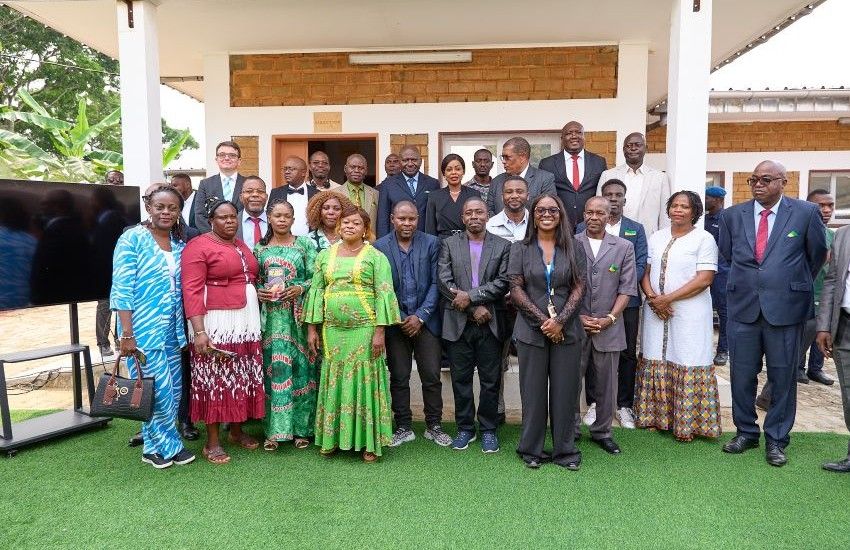
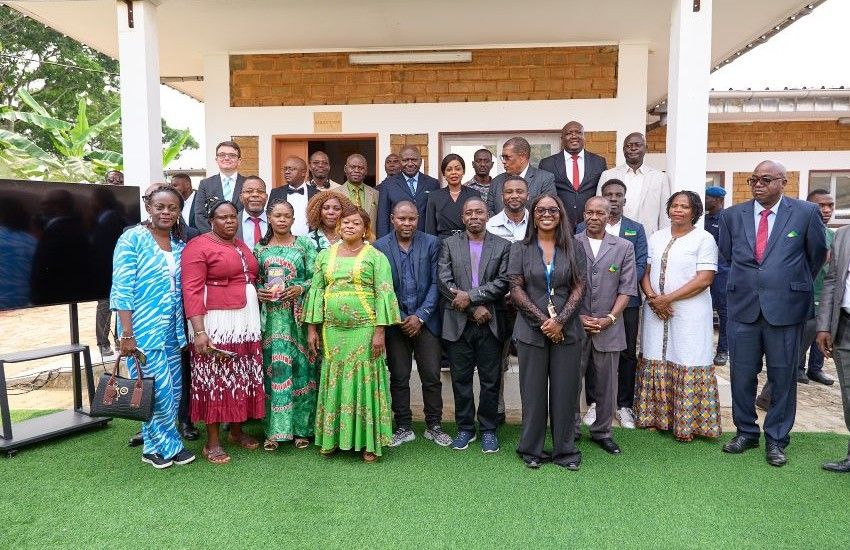
The facility’s grand opening on July 15, graced by the presence of Zenaba Gninga Chaning, Minister of Entrepreneurship, Commerce, SMEs-SMIs, and Youth Entrepreneurship, transcends the simple launch of a production unit. It symbolizes a burgeoning development paradigm where local communities are actively shaping their own economic destiny.
Converting the forest’s bounty into lasting prosperity
The Djoutou cluster comprises six villages that have collaboratively embraced a shared, often undervalued, heritage: traditional beekeeping. For generations, the inhabitants of this region have honed sophisticated techniques for collecting and producing honey within their pristine forest environment.
A pivotal milestone was achieved with the establishment of the Mes-Bouyi-Mes-Mbouka community cooperative. This initiative moves beyond mere honey harvesting, creating a structured value chain that encompasses production, processing, and the eventual marketing of a product poised to reach markets far beyond provincial borders.
The substantial investment of 200 million CFA francs into this infrastructure underscores its ambitious scope. The honey facility currently manages one hundred hives across three distinct apiary sites, engaging eight dedicated beekeepers. Their collective effort is projected to yield an impressive fourteen tons of honey annually. In a continent where reliance on food imports remains a significant challenge, the emergence of a competitive local industry like this sends a powerful message of self-sufficiency.
A new era of corporate economic responsibility
This initiative aligns perfectly with the corporate social responsibility framework championed by Eramet Comilog through its Act for Positive Mining program. The stated objective is to transcend conventional one-off financial compensations, instead focusing on supporting activities that generate sustainable and independent income streams for communities.
This evolution reflects a significant paradigm shift in how major extractive enterprises are now conceptualizing their presence and impact within African territories.
Minister Zenaba Gninga Chaning eloquently encapsulated this philosophy, emphasizing that the ambition extends beyond merely funding infrastructure. It is about empowering projects to thrive independently, progressively enhancing the autonomy and resilience of local communities. This approach resonates with contemporary international development trends, which prioritize long-term productive investments over perpetual assistance mechanisms.
Rural Africa embraces the value-added economy
While the immediate economic impact includes the creation of ten direct jobs for young people and women in the participating villages, the project’s broader significance far outweighs these initial figures.
The Djoutou honey facility is already setting its sights on developing a diverse range of derivative products, expanding its network of partner producers, and, crucially, establishing Djoutou honey as a recognized product of excellence, first nationally and then internationally.
This upward mobility strategy represents perhaps the most innovative aspect of the project. For an extended period, rural African economies primarily focused on exporting minimally processed raw materials. This new generation of initiatives aims to capture greater value locally through transformation and the cultivation of strong regional brands. In a global market increasingly demanding authentic, traceable, and environmentally conscious products, Africa’s forest territories possess immense, largely untapped potential.
The Djoutou honey project vividly illustrates a growing conviction across the continent: Africa’s economic future will not solely depend on large-scale industrial or mining ventures. It will equally hinge on its capacity to transform local resources, ancestral knowledge, and human capital into powerful engines of sustainable prosperity.
From this perspective, the honey produced in the Djoutou forests could well become more than just an agricultural product. It could embody a new approach to African development, one rooted in local value addition, community entrepreneurship, and the economic sovereignty of its diverse territories.