Gabon’s Nkok special economic zone draws african interest
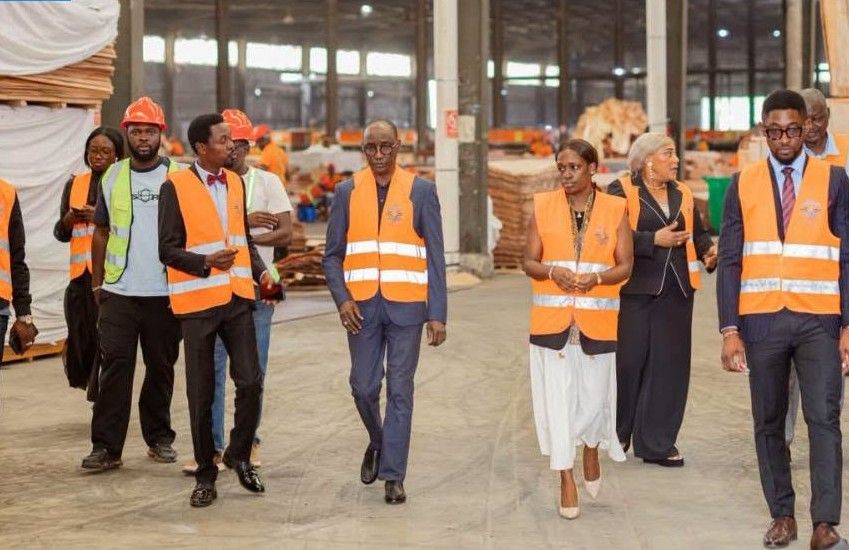
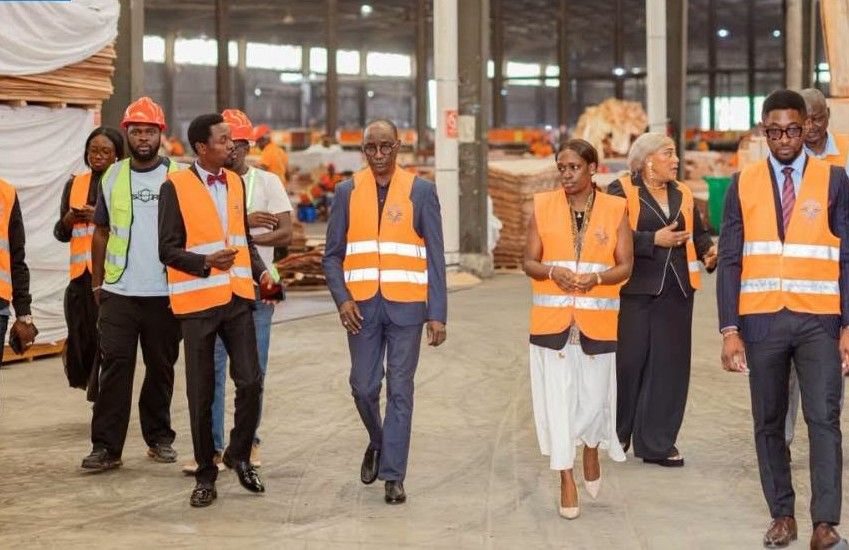
Libreville, June 27, 2026 – The newly appointed Chadian Ambassador to Gabon, Zakaria Fadoul Kittir Jr., wasted no time in familiarizing himself with one of Gabon’s most transformative economic initiatives. Within days of presenting his credentials to President Brice Clotaire Oligui Nguema, the diplomat prioritized a visit to the Nkok Special Economic Zone (SEZ), a flagship industrial hub now capturing attention across Africa.
The ambassador’s early diplomatic mission underscores a growing fascination with Gabon’s blueprint for economic diversification and resource valorization. Countries across the continent, grappling with similar challenges of industrialization and value addition, are closely examining Nkok as a potential model.
Wood processing: A showcase of industrial transformation
At the heart of the ambassador’s tour was Gabon’s wood processing sector, a cornerstone of the country’s industrial strategy. The delegation toured Chanta Group’s facilities, where logs are transformed into high-value plywood and veneer sheets destined for both regional and global markets.
This shift from raw log exports to local processing reflects deliberate policy choices made by Gabonese authorities over the past decade. By mandating on-site transformation, the country now retains a greater share of the economic benefits from its vast forestry resources. The results are evident at Nkok, where dozens of wood-processing plants operate, generating skilled jobs, fostering knowledge transfer, and meeting international quality standards.
For policymakers elsewhere in Africa, Nkok’s wood processing segment stands as a testament to the continent’s potential for industrialization based on natural resources.
A diversified industrial powerhouse
The Nkok SEZ extends far beyond wood processing. This integrated industrial platform hosts enterprises spanning metallurgy, construction materials, agro-industry, and advanced manufacturing. Such diversity aligns with Gabon’s broader strategy to reduce reliance on raw material exports—a necessity in an era of volatile commodity prices.
The Chadian ambassador’s visit highlights a broader trend: African nations are increasingly seeking replicable models for local value addition, supply chain development, and economic sovereignty. Nkok’s success in attracting international investment and fostering industrial clusters is making it a reference point for countries eager to emulate similar pathways.
A catalyst for regional economic influence
Beyond its industrial output, Nkok is emerging as a strategic asset for Gabon’s economic diplomacy. Official visits to the zone serve as a showcase of national expertise, drawing foreign investors and strengthening the country’s regional influence. Libreville’s vision—to position Gabon as a hub for industrial collaboration and technology transfer—is gradually taking shape, with Nkok at its core.
This growing recognition comes at a time when intra-African economic cooperation is evolving. Dialogues are shifting from mere trade of raw materials to exchanges on industrial best practices, technology sharing, and collaborative development models. Nkok’s ability to draw the attention of diplomats, investors, and policymakers alike confirms its status not just as a Gabonese success story, but as a continental benchmark for sustainable industrialization.