Vandalism at Gabon’s Communication Authority sparks security concerns
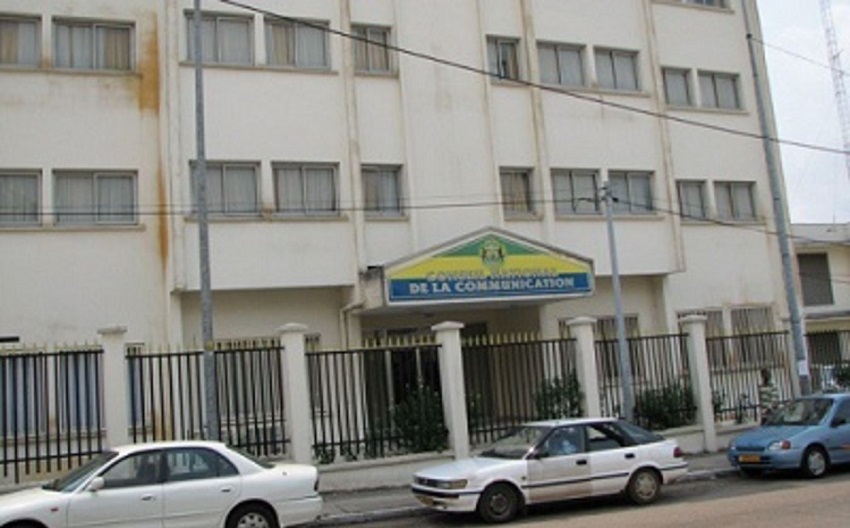
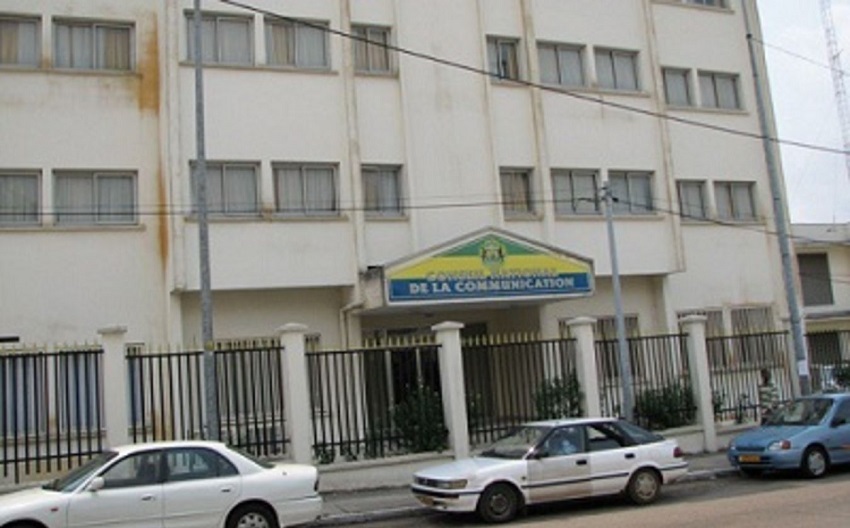
Libreville, June 3, 2026 — The forced entry and vandalism of multiple offices within Gabon’s Haute Autorité de la Communication (HAC) have ignited urgent discussions about the security of the country’s public institutions.
The incident, which saw intruders breach and ransack four advisors’ offices, transcends mere property damage. It strikes at the heart of one of Gabon’s key regulatory bodies, tasked with overseeing media compliance, public communication, and audiovisual standards. These institutions play a pivotal role in safeguarding democratic balance, making any attack on them a matter of national significance.
According to reports, unauthorized individuals gained access to the HAC’s premises by forcibly breaking into the offices of several advisors. The exact methods used to infiltrate the building remain unclear, as do the full extent of the damage or the specific items targeted.
The HAC: Guardian of Gabon’s media landscape
Established as the cornerstone of Gabon’s regulatory framework, the Haute Autorité de la Communication ensures adherence to laws governing media freedom, editorial responsibility, and public information. Its mandate is critical in balancing the need for free expression with the preservation of public order—making it a prime target for those seeking to disrupt institutional integrity.
While no direct link has been established between the intrusion and the HAC’s regulatory functions, the incident underscores the importance of protecting entities essential to the Republic’s functioning. The attack on its offices is not just a physical breach but a challenge to the very principle of institutional security.
Institutional security under scrutiny
One of the most pressing questions arising from this event is how easily the intruders managed to bypass security measures and reach multiple offices. The breach raises serious concerns about the adequacy of existing surveillance and access control systems in Gabon’s public administration.
In democratic nations, regulatory bodies like the HAC are typically afforded heightened security due to the sensitive nature of their work and the sensitive data they handle. This incident forces a reevaluation of whether Gabon’s administrative safeguards are proportionate to the risks faced by its institutions.
From vandalism to potential data theft?
At this stage, multiple theories about the intruders’ motives remain plausible. Was this an act of mindless vandalism, a targeted theft, or an attempt to access confidential documents or equipment? Without official clarification on what was compromised, definitive conclusions are impossible.
The ongoing investigation must prioritize identifying the perpetrators, their methods, and any systemic weaknesses that enabled the breach. Only then can the HAC and similar institutions implement meaningful reforms to prevent future incidents.
A wake-up call for all public institutions
This breach serves as a stark reminder for Gabon’s entire public sector. As digital transformation accelerates, the protection of sensitive data and the integrity of government operations become increasingly vital. Institutions like the HAC must be fortified not only to preserve state assets but to maintain public trust and ensure uninterrupted governance.
The judicial process will determine accountability for this intrusion, but the broader lesson is clear: Gabon’s institutions must evolve to meet modern security challenges. When a regulatory body’s offices are forcibly entered, it is a warning that the foundations of democratic governance itself may be at risk.