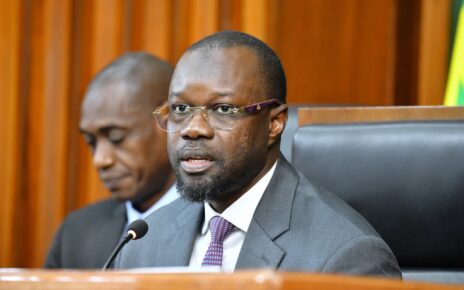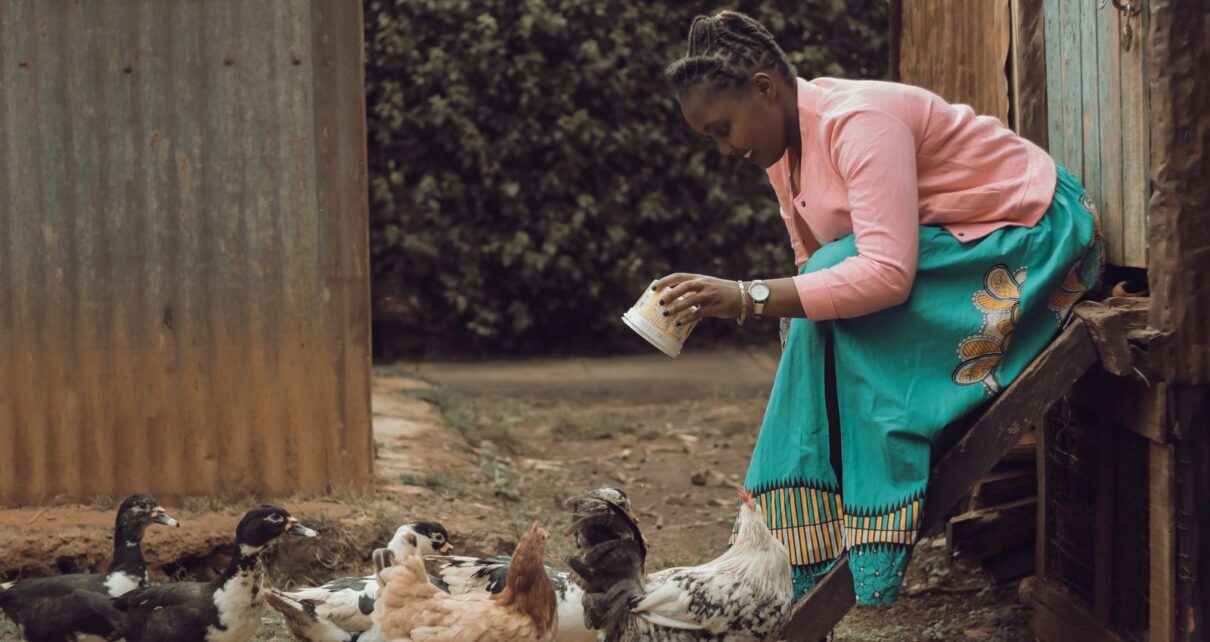
Guinean conglomerate SONOCO is poised to revolutionize Gabon’s poultry industry. During a high-level meeting with President Brice Clotaire Oligui Nguema, the panafrican group unveiled ambitious plans for a large-scale investment aimed at reshaping a sector still heavily reliant on imports. The initiative targets an annual output exceeding 15 million chickens, a record volume for the country.
The move aligns with Gabon’s transition authorities’ broader economic diversification strategy, which seeks to curb food import bills and stimulate rural employment. Currently, the nation imports nearly all poultry consumed locally, a dependence that undermines food sovereignty and remains a persistent concern for policymakers.
From farm to fork: a fully integrated poultry value chain
SONOCO’s project is designed to be vertically integrated, encompassing every stage of production—from breeding and feed manufacturing to slaughtering, processing, and distribution. This approach is intended to optimize costs, secure supply chains, and deliver locally produced poultry at competitive prices, rivaling imported frozen chickens from Brazil, the United States, or Europe.
Key components of the investment include state-of-the-art poultry farms, a dedicated feed mill to produce compound feeds locally, and processing facilities meeting international sanitary standards. For Gabon, where the poultry sector remains in its infancy, this industrial leap could redefine the country’s agro-food landscape for years to come.
The Guinean group, already established across multiple industrial sectors in West Africa, leverages its continental experience to enter Gabon’s market. The panafrican dimension of SONOCO is a significant selling point, with officials highlighting the initiative as a tangible example of South-South cooperation between Conakry and Libreville.
Boosting food sovereignty by reducing import dependency
For Libreville, the stakes extend beyond poultry alone. Gabon’s trade balance suffers under the weight of food imports, despite the country’s vast arable land and favorable climate for agriculture. Reducing this reliance has been a cornerstone of President Oligui Nguema’s agenda since taking office.
The arrival of a structured investor in poultry farming fits squarely into this vision. By producing millions of chickens locally each year, SONOCO could significantly reduce foreign exchange outflows tied to frozen meat imports. The project is also framed as a job creation engine, particularly in rural areas where industrial poultry farming could attract young workers seeking sustainable livelihoods.
Yet, achieving these goals hinges on overcoming structural hurdles. Access to land, availability of raw materials for feed production, regulatory stability, and efficient distribution logistics are well-known challenges for poultry operators in Central Africa. The group’s ability to address these issues will shape the project’s ultimate success.
Signaling Gabon’s openness to African investment
Beyond the SONOCO initiative, the diplomatic and economic engagement underscores Gabon’s resolve to attract African capital into productive sectors. Hosting a Guinean group at the highest level—rather than a Western or Asian investor—reflects a deliberate shift toward deeper continental integration.
While the exact investment amount and deployment timeline remain undisclosed, discussions are expected to progress toward framework agreements, site selection, and financing mobilization. For Gabonese authorities, translating this announcement into industrial reality will be the true measure of success.