Gabon’s Woleu-Ntem: testing ground for national territorial reforms
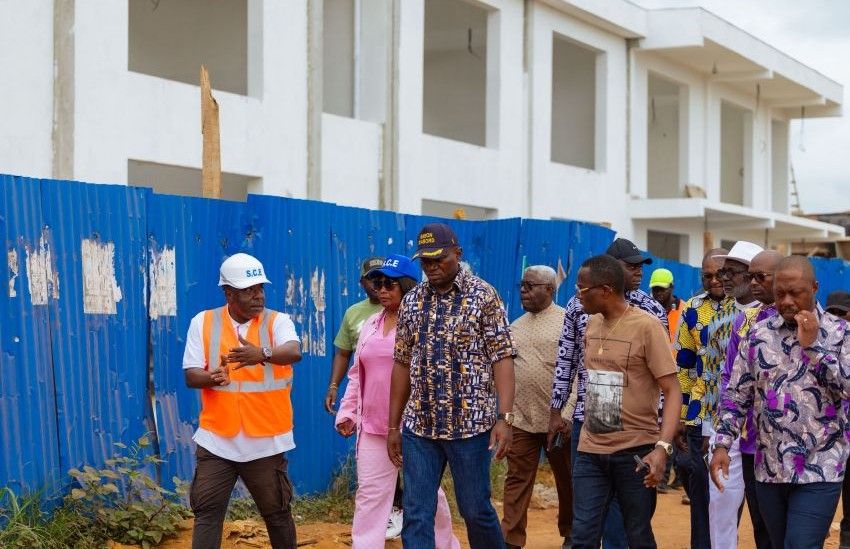
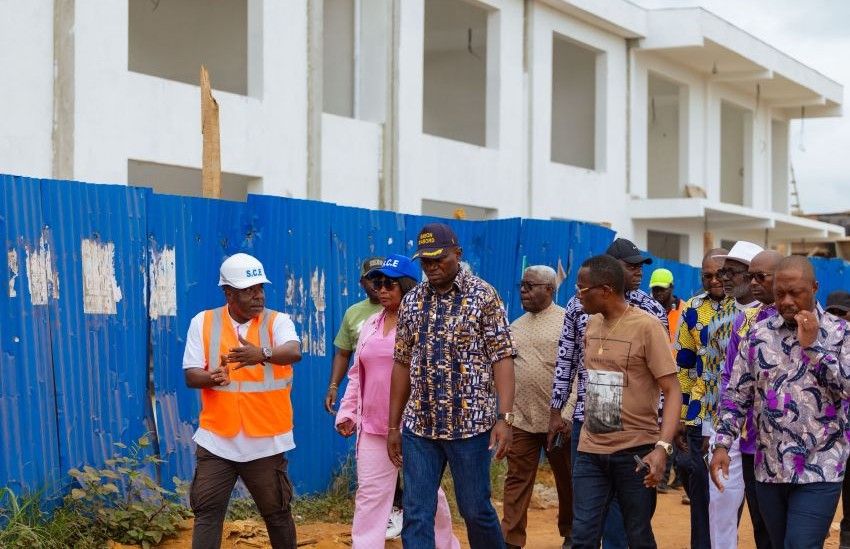
Libreville, Saturday, July 11, 2026 — Presidential tours across Africa are often dismissed as mere political theater. Yet the recent three-day mission led by Gabonese President Brice Clotaire Oligui Nguema through the Woleu-Ntem province signals something far more consequential: a deliberate strategy to transform peripheral regions into the engine of the country’s next growth phase.
From Minvoul to Oyem, the presidential caravan unveiled a sweeping infrastructure push—new roads, schools, farms, and health centers—that embodies a radical rethink of Gabonese territorial planning. This vision prioritizes on-the-ground investment and bridges long-standing geographic divides that have constrained the nation’s economic progress.
Bringing the frontier to the center
The deliberate selection of Woleu-Ntem was no accident. Bordering Cameroon and Equatorial Guinea, this northern province is Gabon’s principal land gateway to Central Africa. Despite its strategic value, it has long suffered from the classic African paradox: abundant potential yet poor connectivity to national economic currents.
The presidential stop on the road linking Gabon to Cameroon underscored this shift. In modern economies, roads do more than connect cities—they dictate trade flows, investment patterns, and sometimes even regional geopolitical balances. By treating road infrastructure as a catalyst for growth and regional integration, Libreville is repositioning Gabon within Central Africa’s economic corridors just as the African Continental Free Trade Area reshapes continental commerce.
The unprecedented decision for a sitting Gabonese president to spend the night in Minvoul carried symbolic weight. It signaled that no district should be left behind in the Republic’s development drive.
From oil to fields: rewiring Gabon’s economy
Equally telling was the renewed focus on agriculture. The inauguration of the Oyem agri-complex and the training of 240 young farmers mark a decisive break from an economy long dominated by unrefined oil and raw commodity exports.
Training goes beyond fieldwork. It builds rural entrepreneurship, fosters cooperatives, and strengthens food sovereignty—critical pillars for a nation seeking to reduce dependence on imported staples. Partnerships between ACM Exploitation, the Local Community Development Fund, and the Ministry of Agriculture reflect a broader continental trend where extractive firms are expected to contribute directly to the well-being of host communities.
A visit to an integrated agri-aquaculture farm near Oyem highlighted models that merge crop and fish production, creating durable jobs while lowering food import bills.
Governance on the ground
The sheer volume of on-site inspections, technical reviews, and real-time decision-making reveals a deeper transformation in Gabonese public governance. New hospitals, municipal markets, rehabilitated cultural centers, upgraded village housing, teacher-training hubs, sports complexes, and modern boarding schools all follow a single integrated logic: growth without social lag.
The Manfred Mendame Ndong Teacher Training Center and the Nkum Yenguï boarding school—equipped with science labs and digital infrastructure—demonstrate a commitment to equipping Gabonese youth for tomorrow’s challenges today. Even the symbolic hand-over of homes to village chiefs underlines a priority often overlooked in African development agendas: strengthening grassroots administration and state presence at the most local level.
Real national transformation rarely begins in capital cities. It takes root in territories that can become poles of balance, innovation, and production. Through this Woleu-Ntem tour, Gabon’s leadership appears intent on proving that another geography of development is possible—one where borders become economic assets, provinces shed their peripheral status, and public spending delivers both cohesion and growth.
The ultimate test will be whether this ambition translates into measurable, lasting results that can fundamentally alter Gabon’s economic and social trajectory in the years ahead.