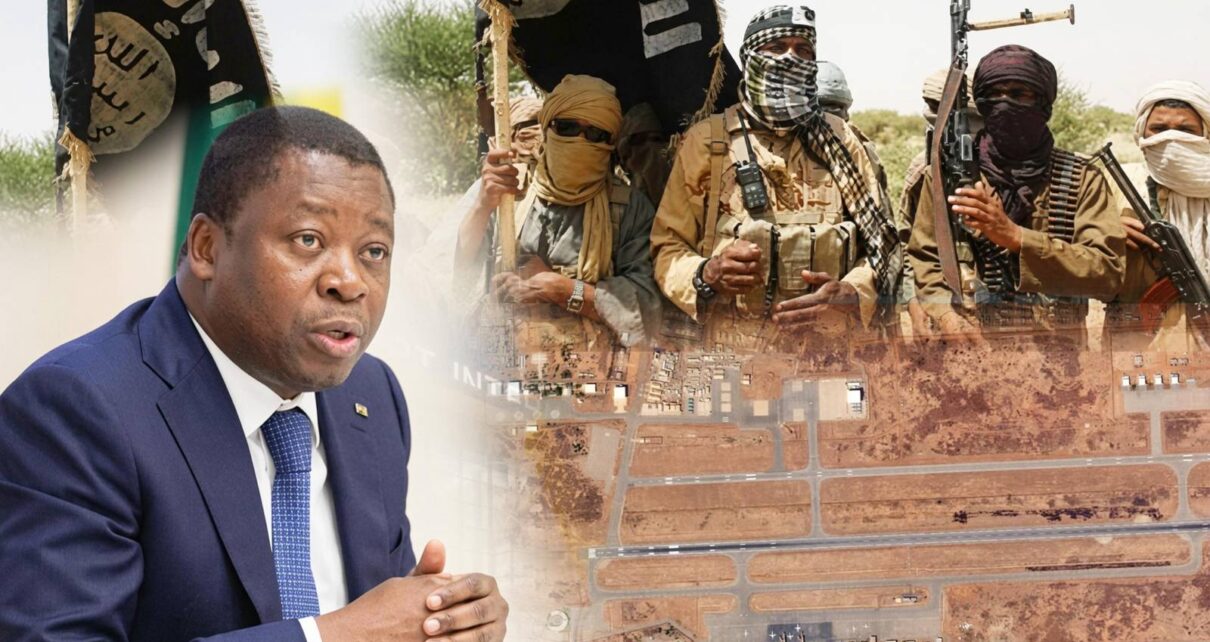
The violent incident that unfolded on June 18, 2026, at Niamey’s international airport has sent shockwaves through West Africa, coinciding with critical negotiations over the reopening of borders between Bénin and Niger. While diplomatic channels were making steady progress, the sudden eruption of violence has thrown a wrench into the process, raising suspicions of a calculated economic power play.
Behind the attack: a shadow of economic rivalry
As discussions approached a breakthrough, the assault has cast a long shadow over regional stability. Analysts now suggest that the operation may have been orchestrated not merely as a security threat but as a strategic disruption to derail the impending agreement between Cotonou and Niamey.
Suspicion falls on regional actors
Intelligence gathered from diplomatic sources points to possible involvement by external state actors, with the Togolese President, Faure Gnassingbé, emerging as a central figure in the unfolding narrative. While no official confirmation has been issued, credible accounts indicate that his administration may have provided financial or logistical support to facilitate the assault.
Ports and profits: the hidden stakes
To grasp the full implications of this attack, one must look beyond immediate security concerns and examine the economic undercurrents shaping the conflict. The closure of the Bénin-Niger border has positioned the Autonomous Port of Lomé (PAL) as Niamey’s primary lifeline, redirecting critical trade flows and generating substantial revenue for Togo.
However, a normalization of relations between Wadagni and Niamey’s military leadership would immediately redirect transit traffic back to Cotonou’s port—both geographically closer and historically more integrated into Niger’s supply chains. For Lomé, this scenario represents a catastrophic loss of economic leverage, with potential revenue declines measured in billions of CFA francs.
Diplomatic fallout and regional distrust
The timing of the attack—deliberately coinciding with the final stages of negotiations—suggests a deliberate effort to sabotage trust between the two nations. If Togo’s involvement were to be substantiated, it would underscore a dangerous escalation in regional competition, where economic rivalry has transcended legal and commercial boundaries to enter the realm of violence.