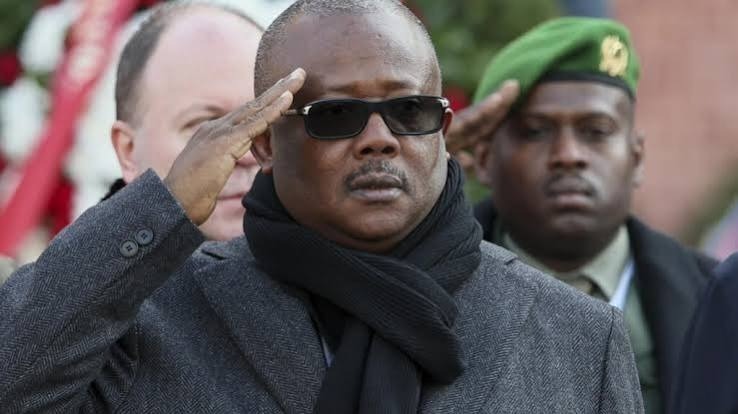
Bissau – The political standoff in Guinea-Bissau has intensified after the military junta categorically refused to allow former president Umaro Sissoco Embaló to return from exile and contest the planned presidential election later this year.
In a terse statement, the military’s High Command accused Embaló of attempting to destabilise the country and dismissed his electoral ambitions outright. The capital, Bissau, remains on edge as the impasse deepens.
Exiled leader’s bid to re-enter politics
Embaló, who has been in exile since his ouster, broke his silence to declare his intention to return home and run in the election scheduled for late 2025. He argues that the transition charter bars current junta members from standing, giving him a clear path to reclaim power.
To bolster his bid, a coalition of around a dozen political parties and organisations, dubbed the “Republican Platform”, has been formed behind the scenes to support his candidacy. For Embaló, the move is not merely about participating in an election but about seeking institutional redemption and proving his popular support remains intact.
How the November coup unfolded
The roots of the current crisis trace back to 26 November 2025, when Guinea-Bissau—a nation long familiar with military takeovers—was plunged into chaos once more.
Three days earlier, on 23 November, voters had gone to the polls in a decisive presidential election. As counting neared completion and both Embaló’s camp and his main rival claimed victory, heavy gunfire erupted in the capital.
Within hours, armed elements of the Revolutionary Armed Forces of the People surrounded the presidential palace and captured Embaló. The putschists, calling themselves the “High Military Command for the Restoration of National Security”, suspended the electoral process, alleging a plot to manipulate results.
Controversy was immediate. International observers, diplomats and key opposition figures described the takeover as a “staged” event or “political comedy”. Critics accused Embaló of orchestrating a self-coup to neutralise his rivals’ anticipated victory and halt the vote count. He was flown to Dakar the next day on a special flight, leaving behind a country mired in legal and institutional uncertainty.
Junta’s firm rejection
The military authorities are now citing that troubled legacy to justify their refusal to let Embaló return. In a sharp response to his statements, they declared that the former president would not be permitted to set foot on national soil, blaming him for the crisis that led to the November takeover.
“No actor who has compromised social peace and national stability will be allowed to instrumentalise the transition process for electoral agitation,” the military power stated.
For the senior officers now in charge in Bissau, allowing Embaló back would reintroduce a major risk factor into an already fragile political landscape. The junta intends to maintain strict control over the electoral calendar and the selection of candidates permitted to run.
Democratic transition under strain
By blocking Embaló, the military risks inflaming an already toxic political climate. Much of the traditional opposition has been marginalised, exiled or hit with legal proceedings, while Embaló’s supporters denounce what they call an authoritarian drift and arbitrary exclusion.
As Guinea-Bissau struggles to chart a roadmap back to constitutional order, the veto against the former president raises a crucial question about the inclusiveness of future elections. With a deposed leader determined to force his way back from abroad and a military junta resolved to keep the door shut, the country’s democratic path remains more uncertain than ever.