Internal divisions intensify as RHDP ramps up pressure on PDCI leadership
Strategic maneuvers by the Rally of Houphouëtists for Democracy and Peace (RHDP) are fueling unprecedented tensions within the ranks of the Democratic Party of Côte d’Ivoire (PDCI). High-level discussions, though shrouded in secrecy, are reshaping the political landscape ahead of key electoral milestones. At the heart of this upheaval lies a stark power struggle between two titans of Ivorian politics.
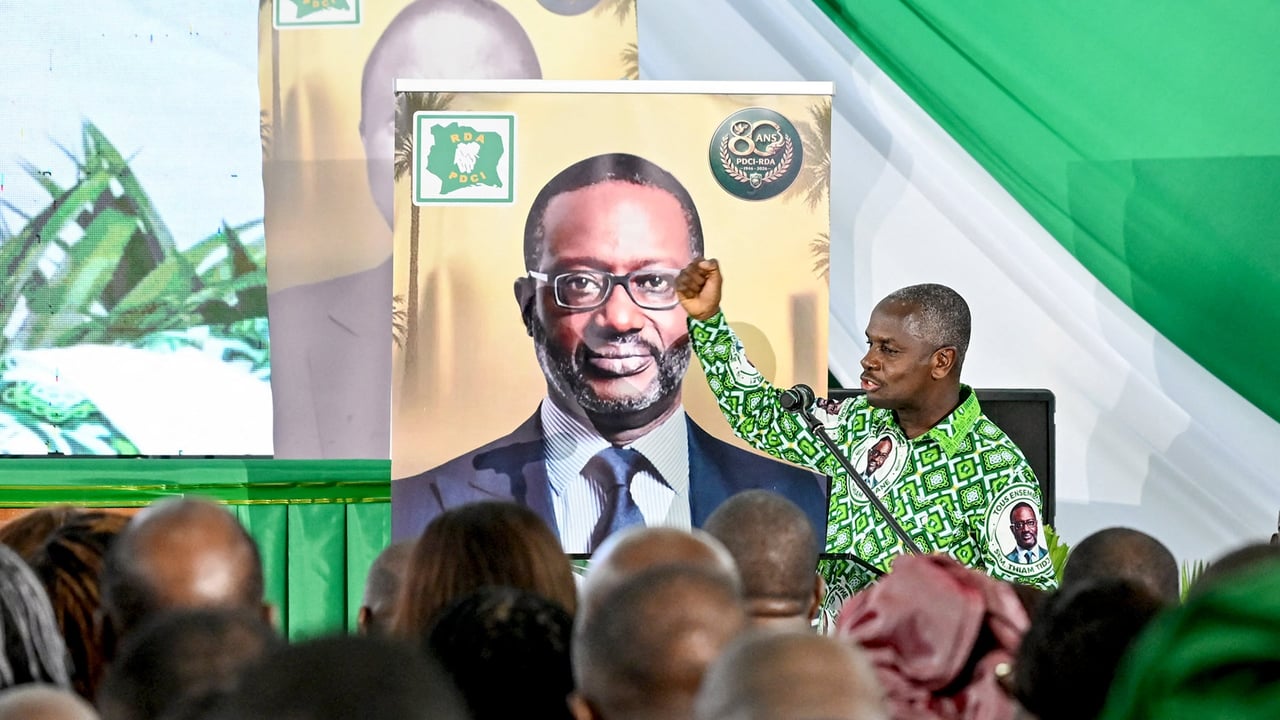
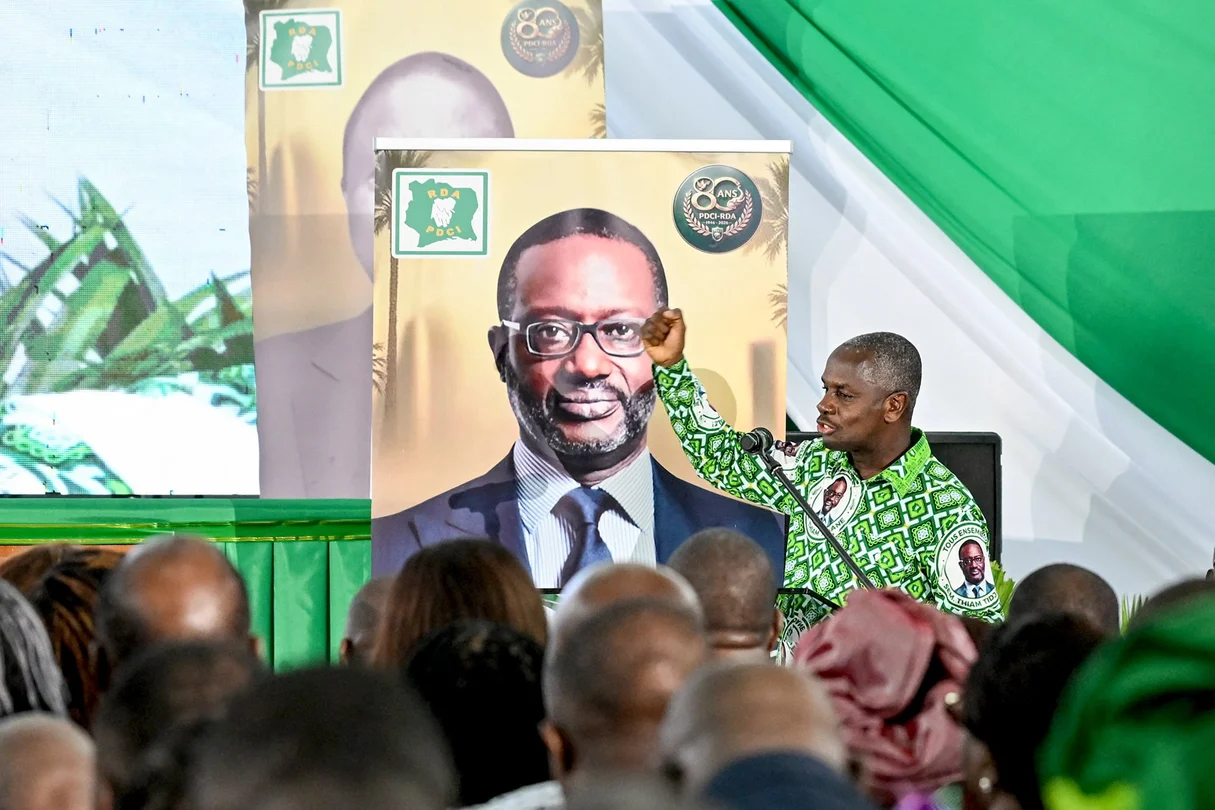
The recent 80th anniversary celebrations of the PDCI, held in Abidjan on April 9, 2026, served as a symbolic backdrop for this escalating conflict. Amid the pomp and pageantry, whispers of dissent grew louder, particularly around the party’s executive secretary, Calice Yapo Yapo, whose leadership is being openly challenged from within. Observers note that the RHDP’s calculated outreach to disaffected PDCI members has accelerated fragmentation within the opposition.
RHDP’s calculated outreach weakens PDCI’s unity
The RHDP’s leadership has adopted a multi-pronged approach to peel away support from the PDCI. Through targeted incentives and behind-the-scenes negotiations, the ruling coalition has succeeded in luring several prominent figures—some of whom once held senior positions within the PDCI—into its fold. This systematic erosion of the opposition’s base has left the party’s traditional strongholds vulnerable to shifting allegiances.
Among the most vocal critics of the PDCI’s current direction is former Prime Minister Tidjane Thiam, whose public statements have amplified internal discord. Thiam’s criticisms, though carefully framed, underscore a growing rift between party elders and younger reformists eager to redefine the PDCI’s role in a rapidly evolving political climate. His influence within the party remains a critical factor in the unfolding crisis.
PDCI faces existential challenges amid shifting alliances
The PDCI’s struggles are not merely internal but part of a broader realignment of Ivorian politics. The RHDP’s aggressive strategy has forced the party to confront uncomfortable questions about its relevance and adaptability. With local and national elections looming, the PDCI’s ability to present a united front has never been more precarious.
The party’s leadership, led by Calice Yapo Yapo, is now under intense pressure to either consolidate its base or risk irrelevance. The coming months will determine whether the PDCI can weather this storm or succumb to the fractures threatening to tear it apart.
What’s next for Côte d’Ivoire’s opposition?
The outcome of this internal battle will have far-reaching implications for Côte d’Ivoire’s political future. If the RHDP continues to exploit these divisions, the PDCI may face a prolonged period of decline. Conversely, a strategic counter-move by the PDCI could re-energize its base and reassert its position as a key player in the country’s democratic process.
For now, the political chessboard in Abidjan remains unsettled. The next moves by both the RHDP and the PDCI will shape the contours of Ivorian politics for years to come.