Human Rights in DRC: A Stark Contrast Between Kinshasa and the Eastern Provinces
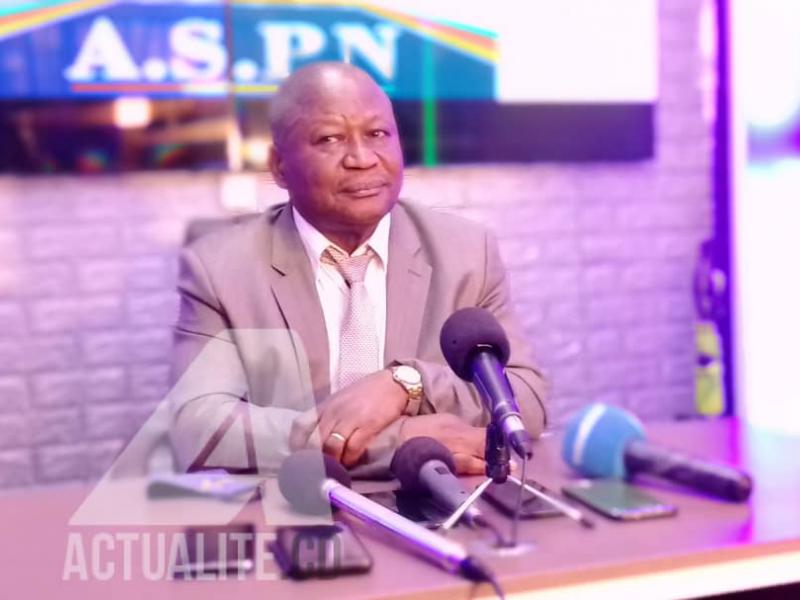
The human rights landscape in the Democratic Republic of the Congo (DRC) reveals two dramatically different realities, as highlighted by Paul Nsapu, President of the National Commission on Human Rights (CNDH). During a live debate on Tuesday, Nsapu acknowledged legislative progress under President Félix Tshisekedi’s administration but emphasized the stark divide in human rights violations across the country.
The State of Rights in Kinshasa: Structural Challenges Persist
In the capital, Kinshasa, Nsapu identified systemic violations affecting civil, political, economic, and social rights. These include access to employment, healthcare, and education—rights consistently undermined by decades of governance failures. The CNDH president attributed these issues to the cumulative neglect of successive governments, which have failed to address the population’s deteriorating living conditions.
Key concerns in Kinshasa include:
- Limited job opportunities despite economic potential
- Inadequate healthcare infrastructure, with public hospitals struggling to meet demand
- Educational disparities, particularly in underserved neighborhoods
The Eastern Provinces: A Dire Human Rights Crisis
In stark contrast, the eastern regions—North Kivu, South Kivu, and parts of Ituri—are grappling with what Nsapu describes as the core violations of human rights: the right to life and security. The situation has worsened due to the presence of foreign armed groups, including Rwandan military forces and their proxies, operating in areas beyond Kinshasa’s control.
Critical issues in the East include:
- Targeted killings and arbitrary violence against civilians
- Displacement crises, with thousands fleeing their homes amid ongoing conflict
- Restricted freedom of movement, as communities live under constant threat
Root Causes and International Implications
Nsapu pointed to the failure of state authority in the East as a primary driver of human rights abuses. The Rwandan military’s presence and support for armed groups have exacerbated instability, creating a humanitarian catastrophe that demands urgent regional and international attention.
Addressing these challenges requires:
- Strengthening state presence in conflict zones
- Enhancing regional cooperation to curb foreign interference
- Prioritizing civilian protection in conflict resolution strategies
Paul Nsapu’s remarks underscore the urgent need for a unified approach to human rights in the DRC, balancing structural reforms in urban centers with immediate action to protect civilians in conflict-affected regions.