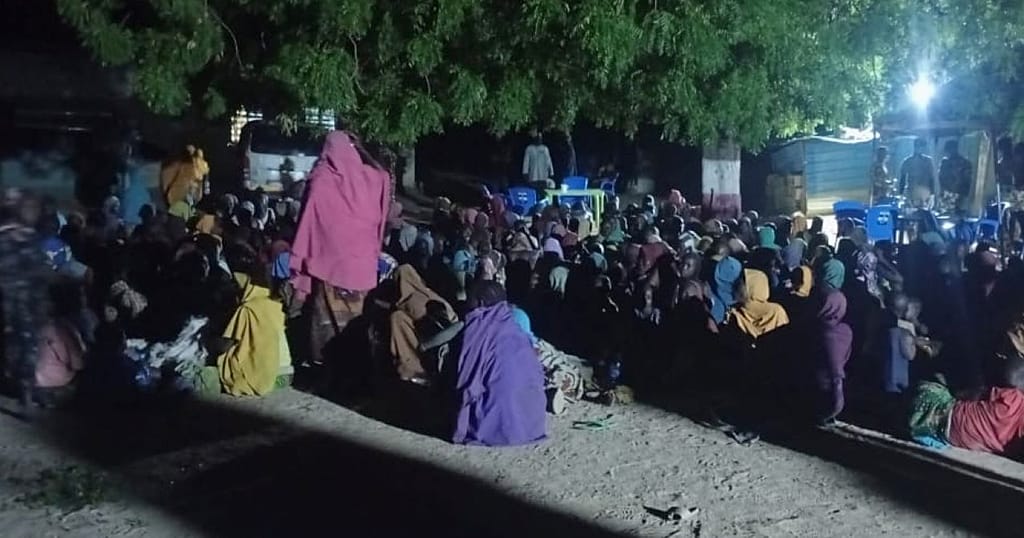
Nearly 420 individuals recently abducted by Boko Haram in Borno State, northeastern Nigeria, have been set free following weeks of captivity. Local leaders and officials confirmed the release, which occurred over the weekend after months of negotiations and strategic military pressure.
How the liberation unfolded in Borno State
Samaila Kaigama, president of the Borno South Youth Alliance (BOSYA), announced that 416 women and children from Ngoshe had been released on Saturday. The freed hostages were among those abducted earlier this year from multiple villages near the Cameroonian border. According to Kaigama, the victims were held in harsh conditions, enduring extreme deprivation and physical strain.
Daniel Bwala, spokesperson for President Bola Tinubu, revealed on social media that two infants had died during captivity due to exhaustion and the rugged terrain. The victims’ suffering underscores the brutal tactics employed by the insurgents, who have long used kidnapping as a revenue stream and psychological weapon.
Military involvement and negotiation tactics
Intelligence gathered by Nigerian forces played a pivotal role in securing the hostages’ release. Reports indicate that special operations were conducted to sow discord within Boko Haram’s ranks, weakening their cohesion and facilitating the liberation. While authorities have not disclosed the exact method used, the coordinated effort combined reconnaissance, psychological warfare, and behind-the-scenes negotiations.
Despite official denials, analysts and local reports suggest that ransom payments—often in the form of millions of naira—remain a common practice in securing the freedom of abductees. The Nigerian government has repeatedly stated it does not pay ransoms, though families and intermediaries frequently engage in such transactions to secure releases.
Boko Haram’s kidnapping economy fuels regional insecurity
The insurgency in northeastern Nigeria has escalated into a lucrative kidnapping industry, with armed groups—including Boko Haram splinters, armed bandits, and separatist factions—generating substantial illicit revenue. Between July 2024 and June 2025 alone, kidnappings across the country reportedly generated over $1.66 million in ransom payments, according to security intelligence firm SBM Intelligence.
Ngoshe, situated less than 10 kilometers from the Cameroon border in the Gwoza Hills—a known stronghold of Boko Haram—has been repeatedly targeted. The area’s rugged terrain and proximity to insurgent hideouts make it a frequent site of raids and abductions. Since Boko Haram’s emergence in 2009, the conflict has claimed tens of thousands of lives and displaced millions, leaving communities in a state of perpetual vulnerability.
The liberation of these hostages marks a rare moment of relief for affected families, yet it also highlights the persistent threat posed by Nigeria’s armed groups. As local leaders and security forces continue their efforts, the cycle of violence and extortion remains a critical challenge for the region.