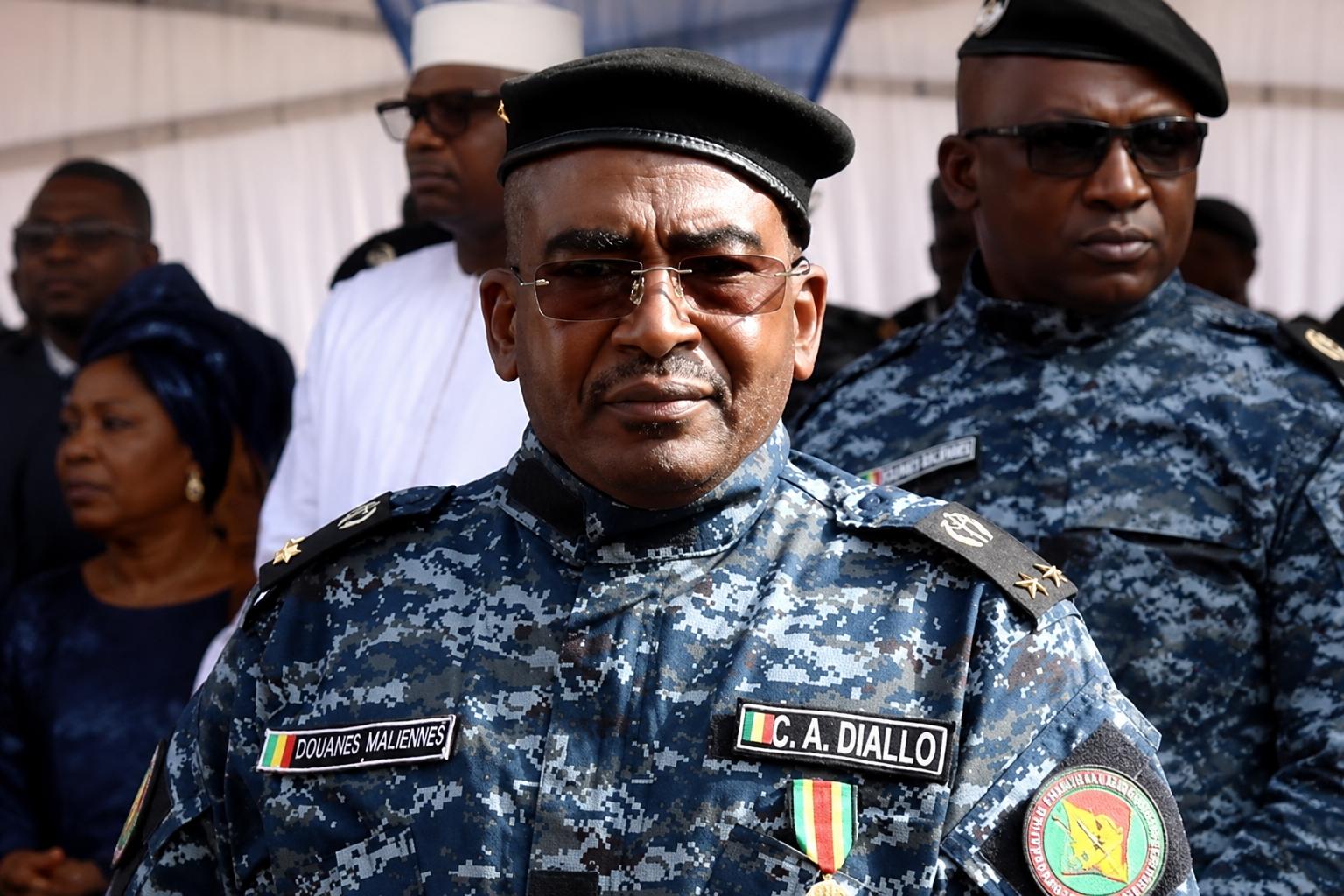
Within Mali’s General Directorate of Customs, every personnel shift isn’t just an administrative move—it’s a high-stakes political and economic chess game. Recent waves of appointments and transfers have sent ripples through the institution, sparking both official narratives and hushed corridor debates. Journalist and analyst Fousseyni Sissoko dives deep into the turmoil, questioning whether this is a genuine restructuring effort or a veiled power play.
Official explanations vs. lingering doubts
The government and customs leadership frame these changes as essential for economic transition. With Mali under pressure to bolster internal revenue amid regional instability, injecting fresh leadership into border offices and regional branches is framed as a performance-driven necessity. The stated goal? Sharpening the fight against tax fraud and boosting efficiency at key customs checkpoints.
Yet Fousseyni Sissoko’s analysis urges readers to see beyond the polished performance metrics. In a financial authority where control over goods—especially hydrocarbons and major logistics corridors—wields immense influence, the line between restructuring and consolidating power blurs easily. What appears as a technical upgrade may hide deeper strategic motives.
Shadows of internal housecleaning
Sissoko’s exploration of these appointments reveals troubling patterns. The timing and nature of certain departures raise a critical question: Is this a subtle purge to sideline independent voices or those tied to past power networks? In Mali’s current climate, control over key institutions isn’t just about revenue—it’s about sovereignty, security, and internal power struggles.
Replacing seasoned officials with figures aligned to the current political agenda is a familiar tactic in state machinery. Sissoko’s piece exposes this tension: loyalty and patronage sometimes outweigh technical merit, leaving the institution—and the nation—vulnerable to inefficiency and favoritism.
The customs service: A stage for unseen battles
Ultimately, Fousseyni Sissoko’s scrutiny of Mali’s customs shake-up serves as a vital reminder. The customs service isn’t merely a tax-collecting machine; it’s a battleground where influence and authority are constantly contested. Whether framed as a necessary reform or a politically motivated reshuffle, this upheaval underscores the fragile balance between competence and control in Mali’s financial security apparatus.