Why Algeria’s latest shipment to Niger sparks a critical economic debate
On a clear November morning, 25 heavy trucks rolled out of Adrar, Algeria, carrying a strategic cargo of 1,050 tonnes of goods bound for Niger. The shipment—containing dates, detergents, packaging materials, and salt—marks a bold step in Algeria’s strategy to expand its commercial footprint in West Africa. Yet, as these products flood into Niger’s markets, a pressing question emerges: can local producers survive—or will they be choked out by cheaper imports?
The stakes couldn’t be higher. Niger, a landlocked nation heavily reliant on cross-border trade for essential goods, now faces a dilemma: embrace imported products for affordability and variety, or protect its struggling local industries from being outcompeted. The outcome will shape the future of Niger’s economy and its ability to feed, clothe, and employ its people.
Algeria’s strategic push into Niger’s market
The convoy, organized to coincide with Algeria’s National Export Day, is more than a logistical feat—it’s a calculated move to strengthen economic ties with Sahelian neighbors. Algeria is increasingly looking beyond its hydrocarbon-dependent economy, seeking new trade partners in Africa. For Algerian businesses, this means access to new consumers. For Niger’s market, it means a flood of alternatives.
Historically, Niger has depended on regional trade routes, particularly with Nigeria, Mali, and Burkina Faso. But Algeria’s proximity and growing production capacity offer a compelling new supply chain. The question now is whether Niger’s economy can adapt—or if it will become dependent on imported goods, leaving its own producers behind.
The battle over Niger’s date palm industry
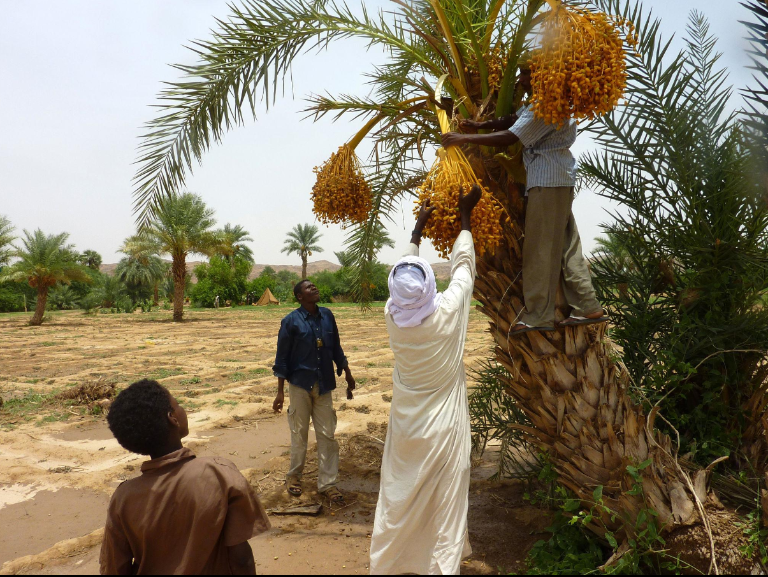
The date palm sector in Niger, centered in the Kawar region, is a microcosm of this struggle. Known for generations of expertise, the region produces high-quality dates in Bilma, Fachi, Dirkou, and Djado. Yet its farmers face daunting challenges: low yields, water scarcity, high transport costs, and outdated storage and packaging facilities.Local producers already struggle to compete with cheaper, imported dates from Algeria and Libya. Now, with even larger shipments expected, the pressure is intensifying. Will consumers continue to support homegrown products when imported alternatives are more affordable and widely available? The survival of this cultural and economic heritage may rest on whether Niger can add value to its production chain before it’s too late.Local industries at risk of suffocation
It’s not just agriculture under threat. Niger’s small and medium industries—particularly those producing detergents and packaging materials—are also vulnerable. Rising raw material costs, supply chain disruptions, and an unpredictable economic climate already strain local manufacturers. Some have been forced to shut down.
The arrival of Algerian detergents and packaging goods could intensify the crisis. If these imports are priced lower than locally made alternatives, Niger’s industries may lose market share. The consequences could ripple through the economy: job losses, reduced investment, and slower industrial growth. The question is no longer whether imports will arrive—but how Niger can ensure a fair playing field for its own producers.Can Niger strike a balance between openness and protection?
The government has already taken steps. In late July 2026, the Minister of Commerce and Industry announced a sweeping program to inspect and verify imported goods starting August 1st. The aim? To protect consumers from substandard or hazardous products and prevent unfair competition from undermining compliant businesses.But better regulation alone won’t solve the problem. To level the field, Niger needs more than border controls. It requires targeted investments in infrastructure, access to financing, modern processing facilities, and stronger supply chains. Without these, local industries will continue to lag behind.The true test will be whether Niger can turn this trade surge into an opportunity for partnership—not submission. Can it negotiate terms of trade that benefit both sides? Or will it remain a passive market, consuming what others produce?Is Niger becoming an Algerian sales ground?
The relationship between Algeria and Niger is evolving beyond simple trade. While Algerian goods flow south, the long-term question is whether this can evolve into a balanced partnership. Trade should not be a one-way street. It should open doors to investment, skills transfer, and joint industrial projects.If not, Niger risks becoming a consumer hub for neighboring economies, with little added value for its own people. It could lose control over its production, jobs, and economic identity. The 25 trucks that left Adrar symbolize both opportunity and danger. The outcome depends on how Niger chooses to respond: with resilience or resignation.What comes next for Niger’s producers?
The future is uncertain. Will Niger’s industries adapt fast enough? Will consumers prioritize local over imported goods? Will the government step up with support programs that strengthen the supply chain and boost competitiveness?The answer will shape the nation’s economic trajectory for decades. One thing is clear: the flow of goods won’t stop. The real challenge is whether Niger can harness this influx to build a stronger, more self-reliant economy—or whether it will surrender to the tide of imports and watch its own industries crumble.