The eu’s call for clarity: a test of diplomatic boundaries in the Sahel
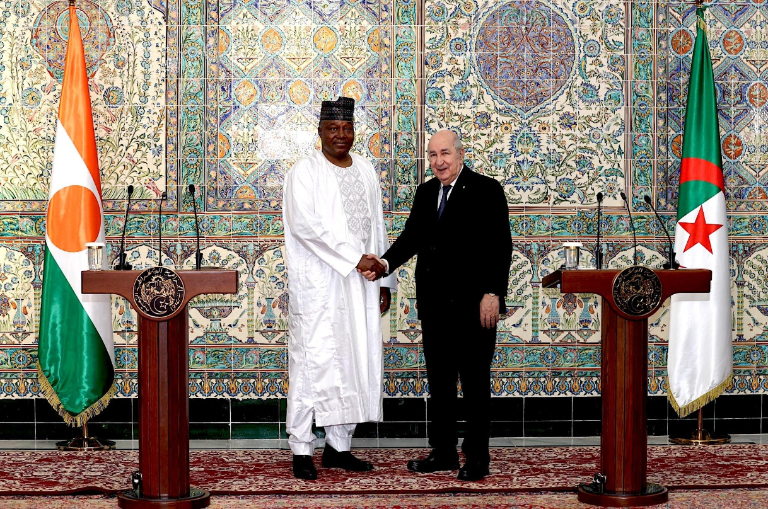
Niger’s decision to summon the European Union’s chargé d’affaires in Niamey has ignited a debate over where diplomatic dialogue ends and sovereignty begins. The move followed public remarks from Brussels expressing concerns over the reported deployment of Algerian troops in Niger. While Niamey insists on its full authority to shape its security partnerships, the EU stands by its right to seek transparency. But does asking questions about a bilateral military agreement cross the line into interference?
Sovereignty isn’t immunity from scrutiny
Algeria and Niger, as sovereign states, are entitled to form military alliances and determine their defense priorities within the framework of international law. The EU, however, does not hold veto power over such decisions. What the dispute highlights is a fundamental question in modern diplomacy: when does a public statement about another country’s actions become an infringement on its autonomy?
The United Nations Charter’s principle of non-intervention, outlined in Article 2(7), prohibits coercive interference in matters within a state’s domestic jurisdiction. It does not, however, shield state policies from all external commentary. Diplomatic freedom of expression is a cornerstone of international relations—one that allows countries and organizations to voice concerns, request clarifications, or flag potential risks to regional stability. The key distinction lies in the intent behind the words: questioning a decision is not the same as attempting to dictate it.
Concerns rooted in a volatile region
The Sahel remains one of Africa’s most fragile security environments, with armed groups, cross-border threats, and weak regional cooperation frameworks. Any military activity involving multiple nations in this context naturally raises questions for external partners. The EU, which maintains deep political and economic ties across the region, has a vested interest in understanding the scope, duration, command structure, and legal basis of such deployments. Transparency requests are not an attack on sovereignty—they can be a responsible effort to assess potential spillover risks, prevent instability, and uphold international law.
Critically, the EU is not a party to the Niger-Algeria agreement. Yet its role as a regional stakeholder grants it the legitimacy to share its perspective on developments that could affect broader security dynamics. The absence of a formal involvement does not negate the right to analyze and comment on unfolding events.
Words matter: balancing expression with diplomacy
While the EU’s right to speak out is established, missteps in tone can strain relations. The choice of language, timing, and perceived respect for local perspectives all shape how such statements are received. Niger’s leadership is justified in rejecting what it views as unconstructive criticism, and it has the prerogative to demand explanations for remarks it considers condescending or unfounded. What must be avoided, however, is conflating diplomatic dialogue with coercion.
The summoning of a diplomat should not replace substance. Niamey can assert its sovereignty without dismissing all foreign inquiries as attempts at control. Conversely, Brussels can voice its concerns without implying oversight over African defense decisions. The challenge lies in navigating this delicate balance—respecting the autonomy of partners while fulfilling an obligation to assess risks that transcend borders.
Where does this leave Niger, Algeria, and their eu partners?
The core issue is not whether the EU can question the deployment, but how the dialogue is conducted. The Niger-Algeria military cooperation falls squarely within their sovereign rights. The EU, for its part, retains the freedom to express reservations about its regional implications—as long as it avoids the appearance of imposing its will. A sustainable diplomatic outcome emerges not from escalation, but from mutual recognition: states must be free to act independently, and observers must be free to voice reasoned concerns. Only through this equilibrium can meaningful, constructive engagement thrive.