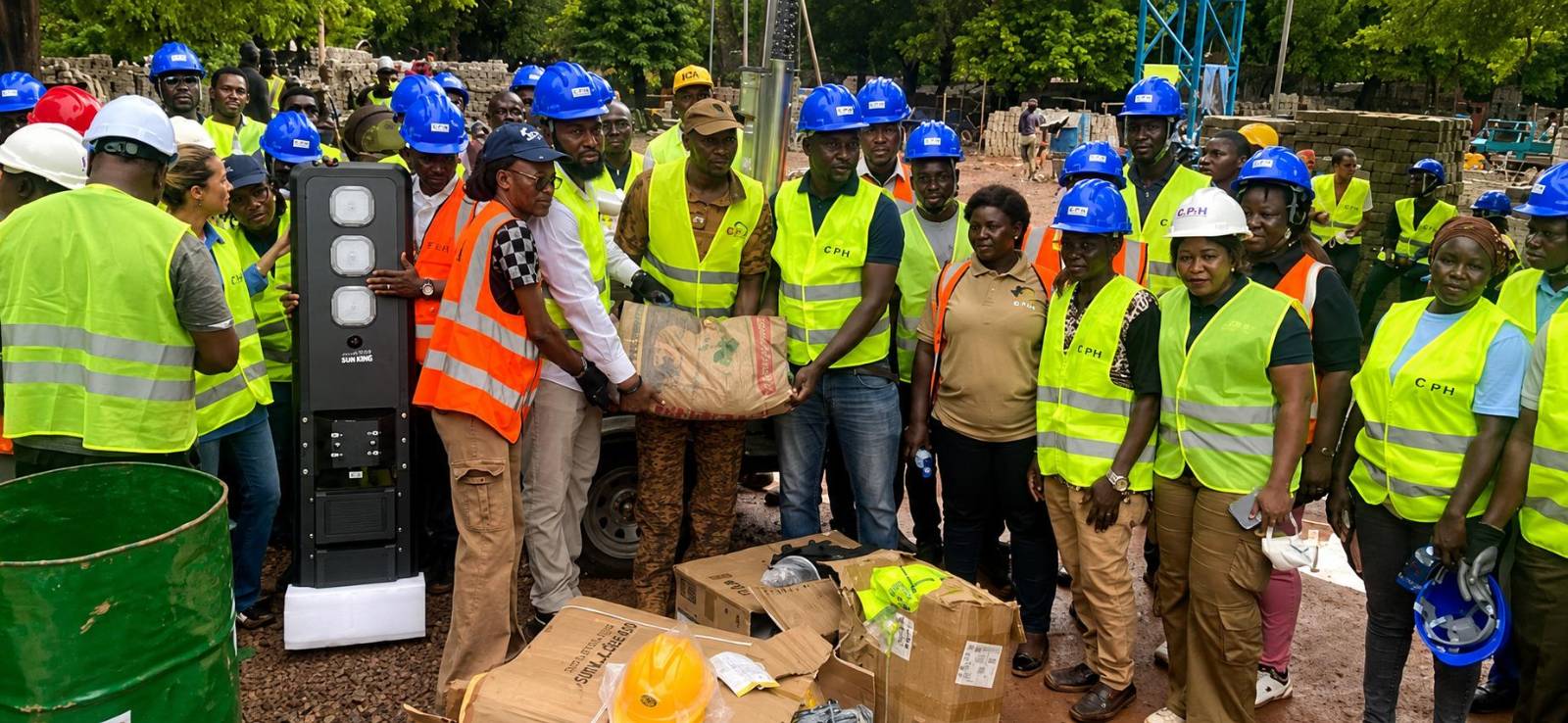
Burkina Faso’s latest public fundraising drive, Faso Mêbo, has raised over 261 million FCFA as of mid-May 2026—an initiative celebrated by the Ministry of Economy and Finance. Yet beneath the official praise, a growing debate questions whether this voluntary contribution is a genuine patriotic gesture or a subtle form of double taxation.
Patriotism or financial trickery?
At its core, the initiative asks citizens to donate voluntarily to national projects. While the government frames it as a collective effort for progress, skeptics argue that it diverts attention from a critical issue: why must citizens contribute twice to the same public services?
Burkinabè taxpayers already fulfill their civic duty by paying taxes, which fund defense, infrastructure, healthcare, and education. Despite an economic climate strained by inflation and insecurity, most continue to meet their fiscal obligations. Now, an additional call for voluntary contributions raises concerns about fairness and transparency.
The illusion of voluntary giving
The Faso Mêbo campaign promotes itself as a grassroots movement, yet critics view it as a workaround for budgetary inefficiencies. Instead of addressing systemic issues—such as mismanagement, corruption, or poor allocation of existing funds—the initiative leans on emotional appeals, leveraging national pride to fill financial gaps.
Some citizens now describe Faso Mêbo as a moral scam, arguing that it exploits patriotism to mask deeper governance failures. After all, if taxes already cover essential services, why should individuals be asked to pay again through voluntary donations?
Accountability must come first
The Burkinabè people’s commitment to nation-building is unwavering, but their trust in state-led financial initiatives is wearing thin. The use of third-party collection platforms—separate from the national budget—only fuels suspicion. Citizens deserve clarity: where do these voluntary funds go, and how do they differ from tax revenues?
A sustainable nation is built on responsible governance, not perpetual crowdfunding disguised as patriotism. It’s time for Burkina Faso to prioritize efficient use of existing tax revenues rather than repeatedly tapping into the pockets of a struggling population.