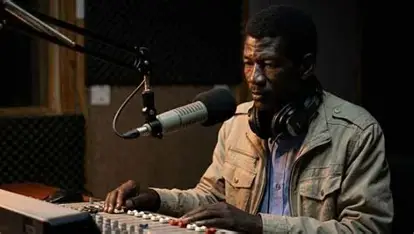
In Niger, the case of Moussa Kaka has become a stark reminder of the fragility of fundamental freedoms and human rights under military governance. A seasoned journalist, former correspondent for Radio France Internationale and head of Radio Télévision Saraounia, Kaka’s situation raises a critical question: is practicing journalism in Niger today tantamount to risking one’s liberty?
Why the detention of Moussa Kaka sparks outrage
Kaka disappeared on August 31, 2026, shortly after leaving his media headquarters. His reappearance, confirmed by the Minister of Justice on October 6, did little to ease concerns. Instead, it deepened suspicions about the circumstances of his detention, the legal grounds behind it, and the safeguards in place for his rights.
What the law demands in cases of detention
A state that claims to uphold national sovereignty and citizen dignity must, above all, respect individual freedoms. Sovereignty cannot be reduced to silencing dissent or punishing those who expose governance failures. When a citizen is deprived of liberty, authorities are duty-bound to:
Provide clear legal justification for the detention;
Ensure access to legal counsel;
Allow family members to be informed of their relative’s whereabouts;
Bring the detainee before a competent court within legal timeframes.
Detention must not serve as a tool of political intimidation, nor should it be used to suppress journalistic work or critical opinions. Any accusations must rest on verifiable evidence and be examined through an independent judicial process.
Criticism as a public service, not a punishable offense
The crackdown on Moussa Kaka comes amid a broader climate of repression against dissent in Niger. Citizens, journalists, and civil society actors must be able to scrutinize public policies, expose potential misconduct, and demand accountability without fear of reprisal.
A government that tolerates only uncritical praise undermines public debate and strips society of its most vital oversight mechanism. Criticism is not betrayal. Exposing wrongdoing is not inherently subversive it can strengthen governance by fostering transparency. When those who raise concerns are silenced, the fight against corruption loses credibility.
Sovereignty does not justify silencing voices
General Abdourahamane Tiani’s regime cannot hide behind national security or sovereignty to justify human rights violations. Security and liberty are not mutually exclusive they must coexist. A resilient state is one that embraces dissent, upholds justice, and responds to accusations with evidence, not repression.
Niger deserves better than a climate of fear. Its people deserve an independent judiciary, a free press, and institutions that defend their rights regardless of political alignment or personal views.
Demands for accountability and fair treatment
The Nigerien authorities must:
Fully disclose the legal grounds for Kaka’s detention;
Guarantee his right to legal representation;
Ensure transparent judicial oversight;
Release him immediately if no valid legal basis exists for his detention.
The freedom of expression is not a concession bestowed by any regime it is a fundamental right. No government, no matter its claims to sovereignty, should be permitted to trample it.
By IBRAHIM OUMAROU — Journalist