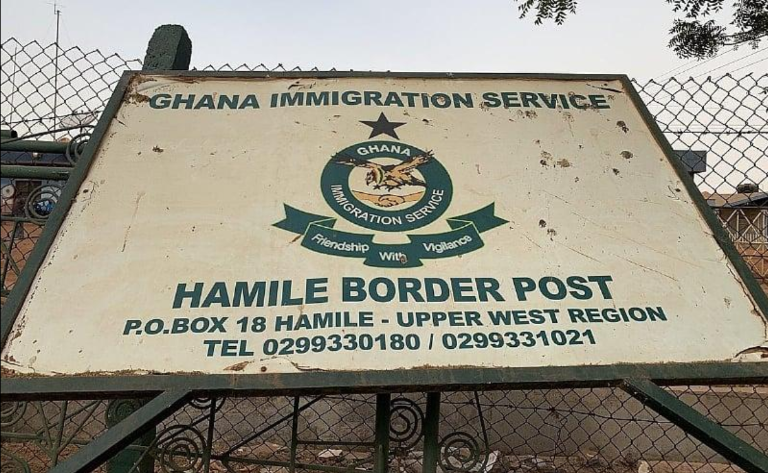
An urgent question surfaces after a deadly blast along the Burkina Faso border
What happens when a routine security operation turns into a deadly explosion? The tragic events in Hamile, a border town in Ghana’s Upper West Region, have thrust this question into the spotlight. On the morning of November 3, 2026, a security interception involving a tricycle carrying suspected explosives escalated into a fatal blast, killing one immigration officer and critically injuring another. Civilians in the vehicle also lost their lives. As authorities piece together the circumstances, one thing is clear: this incident exposes the volatile mix of unauthorized border movements and unregulated transport of hazardous materials.
What went wrong in Hamile?
The tragedy unfolded during an operation to intercept a tricycle believed to be transporting explosives, including dynamite. According to preliminary accounts from security officials, the vehicle was traveling on an unauthorized route near the Ghana-Burkina Faso border when officers attempted to stop it at a checkpoint.
The occupants reportedly refused to comply, prompting a pursuit. It was during this chase that the explosion occurred, resulting in severe injuries to the pursuing officers and the destruction of the tricycle. While investigations are ongoing, the incident underscores the dangers posed by uncontrolled movement in sensitive border zones.
Key facts uncovered so far
- A Ghana Immigration Service officer died in the blast, while another security personnel remains in critical condition.
- The tricycle was reportedly transporting suspected explosives, including dynamite, which detonated during the chase.
- No official confirmation yet links the incident to armed groups or terrorist organizations.
- Investigations are still determining the exact chain of events and responsibilities.
Why Hamile is a flashpoint in Ghana’s border security
Hamile sits in the Upper West Region, a strategic border town adjacent to Burkina Faso. This area is a vital crossroads for both legal trade and informal cross-border exchanges. However, its geographical significance also makes it a high-risk zone for unauthorized movements, including smuggling and the transport of dangerous materials.
Ghana’s security services maintain checkpoints and patrols to curb irregular crossings, but the use of unauthorized routes complicates their efforts. These off-grid paths are often exploited to bypass official scrutiny, making it harder to detect and intercept illicit activities such as the transport of explosives.
The challenge of balancing security with local realities
Border communities often rely on cross-border trade for their livelihoods, relying on informal routes that are difficult to monitor. While enhancing security is crucial, authorities must also consider the socioeconomic needs of these populations. Striking this balance requires not just stricter controls but also community engagement and intelligence-sharing to prevent the exploitation of vulnerable transit points.
Ghana’s regional security dilemma in the Sahel crisis
This explosion arrives against a backdrop of escalating insecurity in the Sahel. Burkina Faso has been grappling with a surge in armed attacks and jihadist violence, displacing thousands and destabilizing adjacent regions. Neighboring countries like Ghana are under increasing pressure to prevent spillover risks.
While Northern Ghana has not experienced direct terrorist attacks, authorities remain vigilant. The Hamile incident, however, serves as a stark reminder of how quickly localized security threats can escalate—especially when unchecked border movements are involved. At this stage, there is no verified link between the blast and any armed group, but the possibility of such risks cannot be ignored.
What’s next? The path to clarity and prevention
An official investigation is underway to determine the exact sequence of events, the origin of the explosives, and any potential involvement of criminal or terrorist networks. Until then, speculation must be avoided. What is certain is that this tragedy highlights critical gaps in border surveillance and the transport of hazardous materials.
To prevent such incidents, a multi-layered approach is needed:
- Enhanced monitoring: Strengthening real-time surveillance along unauthorized routes using technology and increased patrols.
- Intelligence collaboration: Fostering cooperation between border agencies and local communities to share timely threat information.
- Community awareness: Educating border residents on the dangers of illicit trade and the importance of reporting suspicious activities.
- Regulatory enforcement: Cracking down on illegal transport networks while facilitating legal cross-border commerce.
The priority now is to establish facts, support the injured, and implement measures that prevent future tragedies. In a region where security threats loom large, vigilance and preparedness must be the cornerstones of Ghana’s border protection strategy.