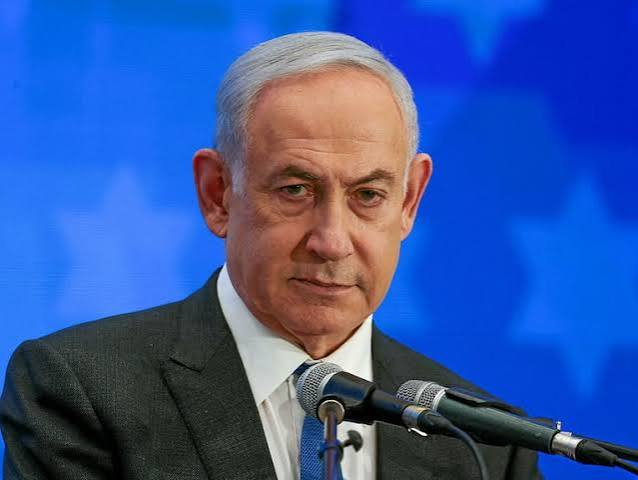
Israel’s political scene has entered uncharted waters following a legislative vote that stripped Prime Minister Benjamin Netanyahu of his parliamentary dominance. The election results have dismantled his once-firm majority, setting the stage for a high-pressure standoff that could reshape the country’s direction. As Israel grapples with the absence of a clear governing path, the nation faces a pivotal choice: prolonged uncertainty or the urgent necessity for political rapprochement.
The Knesset’s shifting power structure: what changed?
The verified final tally from election officials reveals a seismic shift in Israel’s legislative balance. Netanyahu’s right-wing alliance, which once held a commanding majority of 61 seats—the minimum required for effective governance—has collapsed. This reversal stems from three pivotal developments:
- Fragmentation within the ruling alliance: Core supporters from ultra-nationalist and religious factions abandoned Netanyahu, stripping him of the leverage needed to advance key legislation.
- Centrist opposition gains momentum: A bloc of moderate parties, spearheaded by prominent figures such as Gadi Eisenkot and Yair Lapid, expanded its influence, pushing Netanyahu into a reactive stance.
- Arab voter mobilization: Communities historically marginalized in the political process turned out in unprecedented numbers, diverting seats away from Netanyahu’s coalition and complicating his efforts to form a workable government.
Fraud claims and the erosion of electoral faith
In the aftermath of his electoral setback, Netanyahu has ignited controversy by casting doubt on the legitimacy of tens of thousands of ballots, particularly in predominantly Arab polling districts where voter turnout soared. His unsubstantiated allegations have drawn sharp condemnation from opponents, who accuse him of attempting to delegitimize the electoral process itself.
Political rivals have responded with forceful rebuttals:
« When democratic outcomes fail to align with personal ambitions, resorting to unverified claims of fraud is not just reckless—it’s a direct assault on the pillars of our democracy. Netanyahu’s strategy isn’t about defending democracy; it’s about subverting Israel’s institutions to serve his own interests. »
Political deadlock: what lies ahead for Israel?
The Central Election Commission has dismissed all fraud allegations, yet the absence of a clear majority has left Israel in a state of paralysis. Analysts outline two potential trajectories for the coming months:
- Prolonged coalition negotiations: With factions deeply divided, comprehensive talks could drag on for months, risking legislative stagnation and delaying critical decisions on security and economic priorities.
- Premature elections: If no coalition emerges, another national vote could be triggered—adding yet another layer of instability to an already volatile political climate.
The current uncertainty threatens to further erode public confidence in state institutions, exacerbating societal divides and postponing urgent policy reforms. The next few weeks will determine whether Israel can stabilize its government or succumb to deeper political fragmentation.