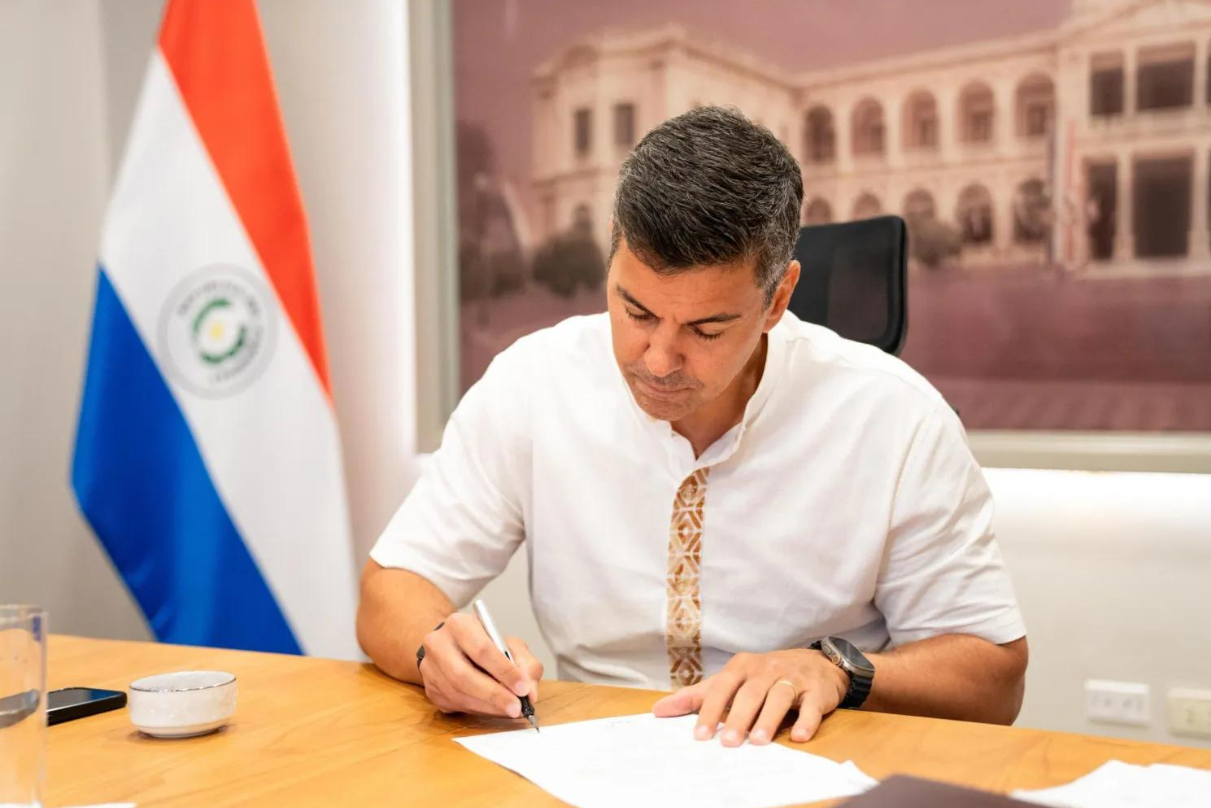
The critical question facing Paraguay after Ueno Bank’s meltdown
Asunción, November 2026 — How much pressure can a nation endure before its political and financial systems fracture? That question now looms over Paraguay as a chain reaction of failures—culminating in the collapse of Ueno Bank—has forced President Santiago Peña to resign, throwing the country into uncharted political and economic turmoil.
The decision, announced in a somber televised address, signals the end of Peña’s presidency and casts a long shadow over the nation’s future. With millions of depositors still waiting for access to their frozen funds and a wave of public anger surging through the streets, the crisis has evolved from a banking scandal into a full-blown institutional rupture.
From solvency failure to systemic distrust: How Ueno Bank triggered national unrest
Ueno Bank, a financial giant once serving nearly half of Paraguay’s population, suddenly collapsed under the weight of severe solvency troubles. Regulators froze its operations after discovering its capital adequacy ratio had plunged below 50%, rendering it unable to meet withdrawal or payment demands. For thousands of Paraguayan families, employees, and retirees, this freeze meant losing access not only to savings but to essential income.
The shockwaves were immediate. Pension funds, payroll systems, and social security payments administered through Ueno Bank were suspended, leaving hundreds of thousands without income. In Asunción, spontaneous protests erupted as depositors gathered outside bank branches, demanding answers and restitution.
The crisis went beyond mere financial loss. It exposed a profound breakdown in public trust. Citizens began to question whether the institutions meant to protect their money—from the Central Bank to the presidential office—had failed them.
Shadows of influence: Did personal ties fuel the bank’s downfall?
The timing of Ueno Bank’s collapse raised uncomfortable questions about potential conflicts of interest. President Peña had previously held shares in the conglomerate that owned Ueno Bank, though he claimed to have sold them a year prior. Yet, opposition lawmakers allege that behind-the-scenes influence allowed risky financial practices to persist unchecked.
These allegations focus on whether public funds were exposed to unnecessary risk, whether regulatory warnings were ignored, and whether Peña’s personal background compromised his ability to act impartially. As investigations unfold, the reputational damage to the president’s leadership has become irreversible.
Adding to the scandal, Carlos Carvallo—former head of Ueno Bank and recently appointed Central Bank governor—resigned under mounting scrutiny. His dual role and previous career links to the bank have fueled concerns about regulatory capture and weakened confidence in the independence of financial oversight.
The impeachment domino effect that sealed Peña’s fate
Political pressure reached a breaking point when opposition lawmakers initiated impeachment proceedings against President Peña and Vice President Pedro Alliana. The move gained momentum after key allies within the ruling Colorado Party withdrew their support—a move seen as a definitive rejection of Peña’s leadership.The final blow came when the Chamber of Deputies voted to impeach the president just minutes after his resignation announcement, setting the stage for a Senate trial. What began as a financial shock had now become a constitutional crisis threatening the very pillars of Paraguayan governance.
Pedro Alliana’s urgent mandate: Can the next president restore stability?
With Santiago Peña’s resignation effective immediately, Vice President Pedro Alliana assumes the presidency at a time of deep economic and social fracture. His immediate priorities must include:
- Securing emergency liquidity for Ueno Bank depositors to prevent irreversible losses
- Launching transparent investigations into the collapse, including the role of former officials and financial regulators
- Protecting public funds tied to pensions and social security, now frozen in the wake of the bank’s collapse
- Rebuilding public trust by restoring confidence in both the banking system and the integrity of government oversight
Authorities have pledged accelerated reimbursement schemes and legal action against Ueno Bank executives. Yet the road ahead is fraught with risk. The longer the crisis persists, the deeper the damage to Paraguay’s reputation as a stable emerging market and a destination for foreign investment.
What does the future hold for Paraguay’s institutions?
The fall of Ueno Bank and the resignation of President Peña mark a historic inflection point. No longer can Paraguay portray itself as a flawless model of economic stability. The crisis has laid bare the vulnerabilities in its financial governance and the fragility of its political alliances.
The coming months will determine whether the country can emerge stronger—through genuine reform, accountability, and transparency—or whether the erosion of trust will trigger further unrest and undermine its democratic institutions for years to come.
One thing is clear: Paraguay stands at a crossroads, and the choices made now will define its path forward for generations.