Jihadist fighters from the JNIM coalition launched a series of coordinated assaults on Malian military positions and their Russian allies in the towns of Dioura and Sévaré, leaving roughly 150 people dead. The attacks, which unfolded over several days, mark one of the deadliest episodes in the country’s long-running insurgency.
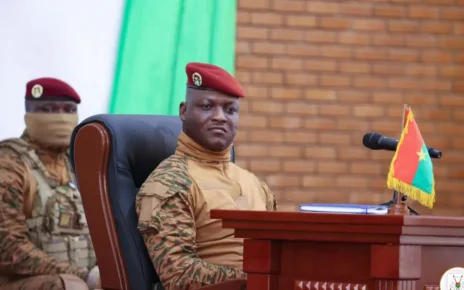
In response to the escalating violence, Assimi Goïta convened an emergency meeting in Bamako on Sunday to assess the situation and chart a path forward. The high-level gathering underscores the mounting pressure on Mali’s transitional authorities as they grapple with a security crisis that shows no sign of abating.
What happened at Dioura and Sévaré
The JNIM offensive targeted both Malian army units and their Russian partners stationed in the two localities. The assaults were carried out in multiple waves, suggesting a high degree of planning and coordination by the militant group. Casualty figures put the death toll at approximately 150, making it one of the most lethal operations claimed or attributed to jihadist forces in recent memory.
Goïta’s emergency response in Bamako
Sunday’s meeting in the capital brought together key figures in Mali’s security apparatus. The discussions focused on the immediate fallout from the Dioura and Sévaré attacks and the broader implications for the country’s defense strategy. The gathering signals recognition at the highest levels that the current approach may require significant adjustment.
Why this escalation matters
The strikes on Dioura and Sévaré represent more than isolated incidents. They highlight the JNIM’s continued ability to mount sophisticated operations against hardened targets, including foreign personnel. For Mali’s leadership, the attacks raise urgent questions about the effectiveness of existing security arrangements and the sustainability of the current military posture.
As the situation develops, the coming days and weeks will be critical in determining how Mali responds — and whether the JNIM’s latest show of force marks a turning point in the conflict.