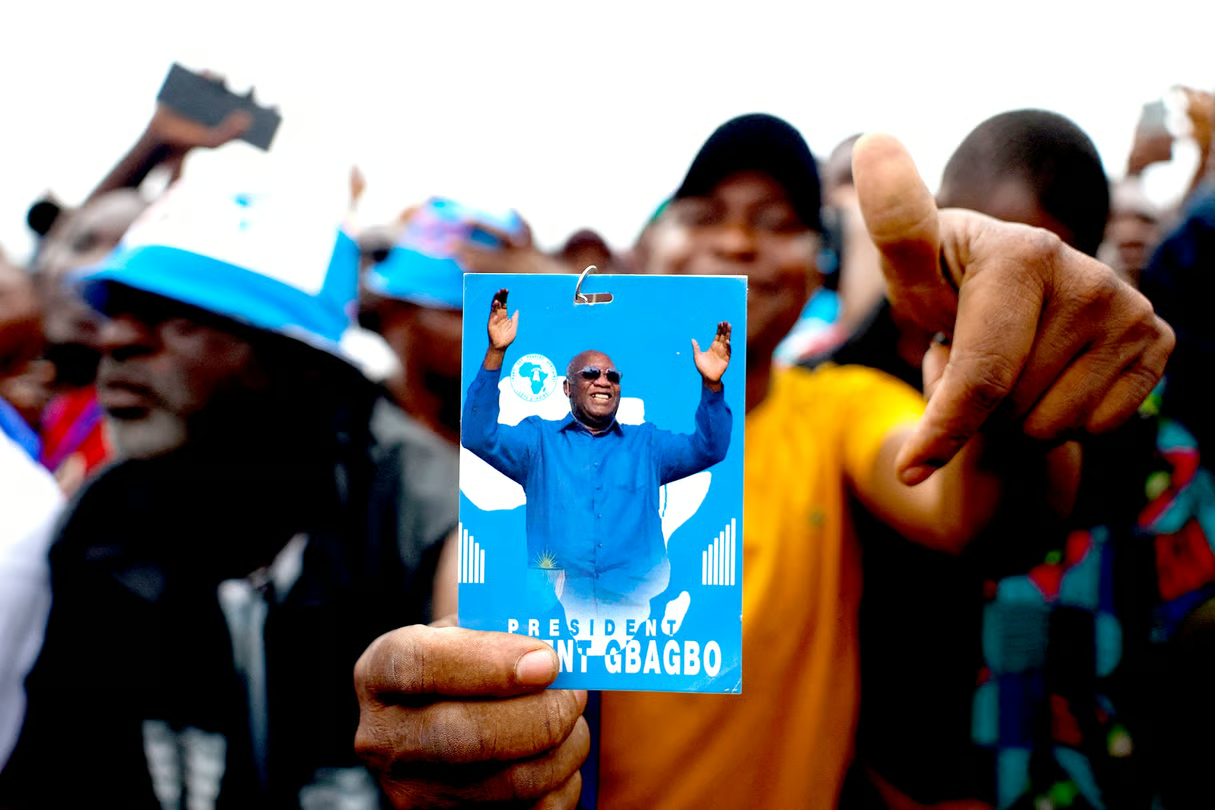
At the close of the first day of the PPA-CI congress in Abidjan, the outcome seemed predetermined. A party insider had already declared, “There’s no mystery: by the end of the day, the leader will be reelected, and everyone will be happy.” His prediction proved accurate.
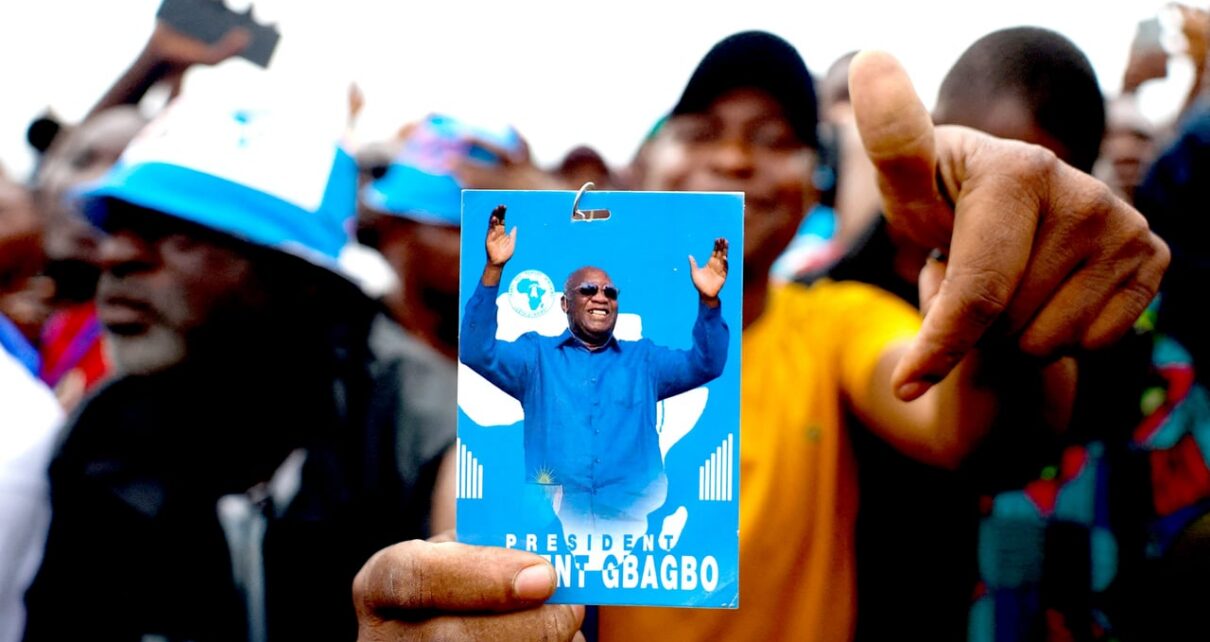
The vote took place in a climate of overwhelming enthusiasm at the Treichville Cultural Palace, where only one candidate was presented. Notably, the figurehead of the party chose not to attend the opening session. Yet, this absence did nothing to dampen the ardor of his supporters, who celebrated his leadership with resounding acclamation.
An unchallenged leadership
The congress unfolded as a coronation rather than a competitive process. Every speaker underscored the indisputable authority of Laurent Gbagbo within the PPA-CI. “His return is not just desired — it is inevitable,” emphasized one party veteran. The choreographed proceedings left no room for dissent, with delegates chanting his name in unison and waving placards bearing his likeness.
A symbolic absence that spoke volumes
Gbagbo’s decision to skip the inaugural day did not go unnoticed. Observers noted that his non-appearance only amplified his mystique, transforming him into a larger-than-life figure. “His absence speaks louder than any speech,” remarked a political observer in attendance. “It reinforces the idea that his leadership transcends mere politics — it is a movement.”
By the end of the session, the outcome was sealed. Laurent Gbagbo was unanimously endorsed as the party’s presidential candidate for the upcoming elections, a move that consolidates his grip on the PPA-CI’s direction.
What this means for Côte d’Ivoire’s political landscape
The congress outcome sends a clear signal: the PPA-CI remains firmly under Gbagbo’s control. His continued dominance raises questions about the party’s strategy moving forward, particularly in a country where political alliances are constantly shifting. With his reelection all but assured, attention now turns to how his leadership will shape the party’s campaign and broader national dynamics.
For his supporters, Gbagbo’s leadership is a beacon of stability in uncertain times. For his critics, it signals a potential return to the contentious politics of the past. One thing is certain: Laurent Gbagbo’s influence over the PPA-CI is stronger than ever, and his shadow will loom large over Côte d’Ivoire’s political future.